



Forensic & Criminological Matrix
| Parameter | Forensic Detail |
|---|---|
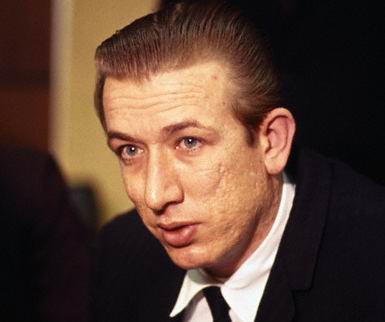
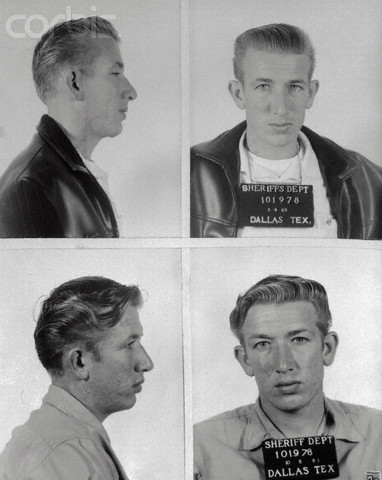
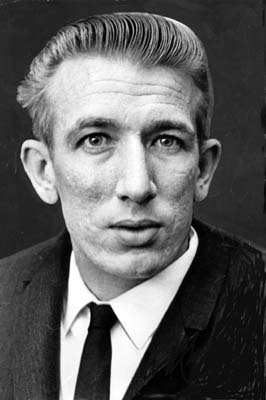
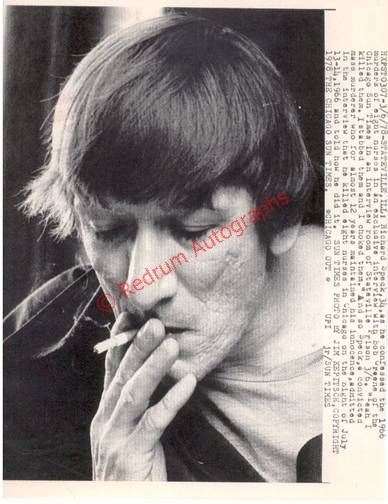
| Full Legal Name | Richard Benjamin Speck |
| Registered Monikers | The Chicago Student Nurse Killer, The South Side Slayer |
| Nationality | American |
| Date and Place of Birth | December 6, 1941, Kirkwood, Illinois, United States |
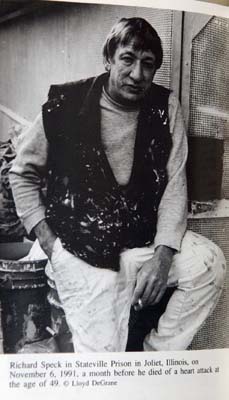
| Date and Place of Death | December 5, 1991, Stateville Correctional Center, Crest Hill, Illinois (aged 49) |
| Cause of Death | Acute myocardial infarction secondary to chronic cardiovascular disease and emphysema |
| Criminal Classification | Sexual-sadistic mass murderer / Domestic intruder / Thrill slaughterer |
| Date of Offense | Night of July 13–14, 1966 |
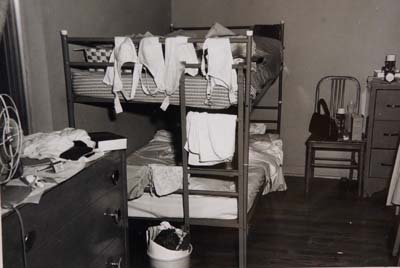
| Location | South Chicago Community Hospital student nurse dormitory, 2318 East 100th Street, Chicago, Illinois |
| Confirmed Victims | 8 murdered student nurses and 1 sole survivor (Corazon Amurao) |
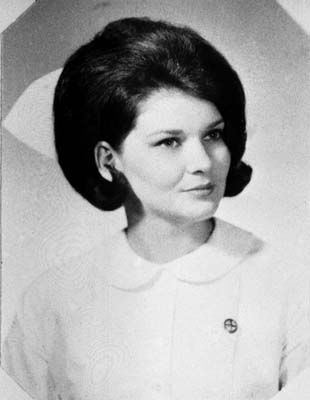
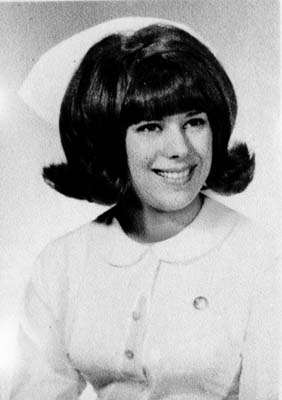
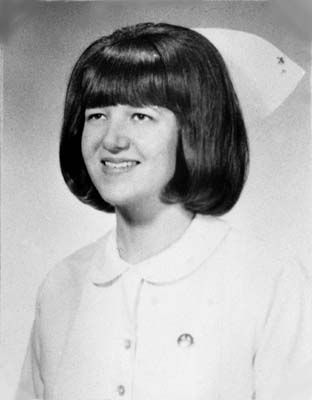
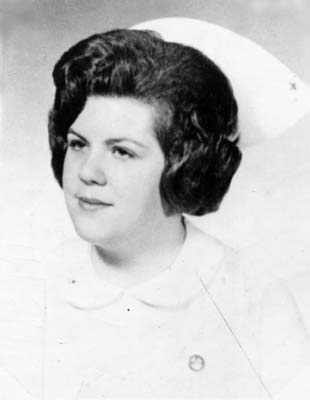
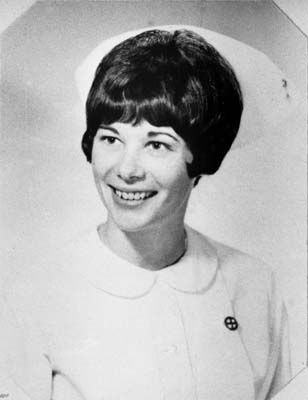
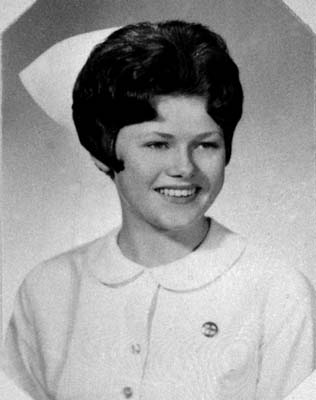
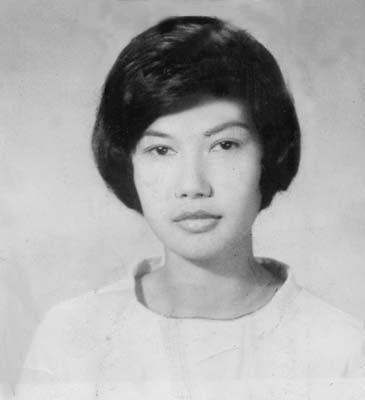
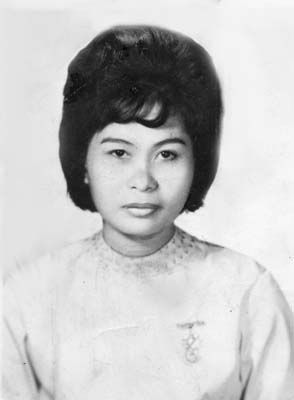
| Deceased Victims | Gloria Davy (22), Patricia Matusek (20), Nina Jo Schmale (24), Pamela Wilkening (20), Suzanne Farris (21), Mary Ann Jordan (20), Merlita Gargullo (22), and Valentina Pasion (23). |
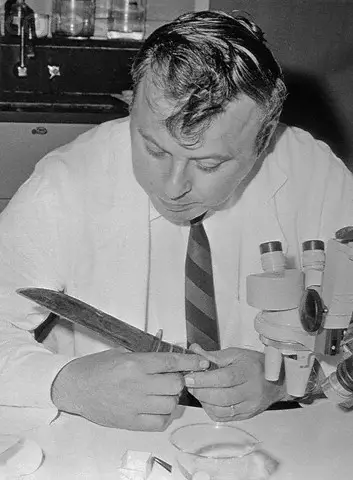
| Modus Operandi | Nighttime home invasion armed with a revolver and hunting knife; subduing occupants with false assurances of non-violence; individual binding of nine women with torn bedsheet strips; systematically removing victims one by one to adjoining rooms to strangle, stab, and sexually violate them over a four-hour window. |
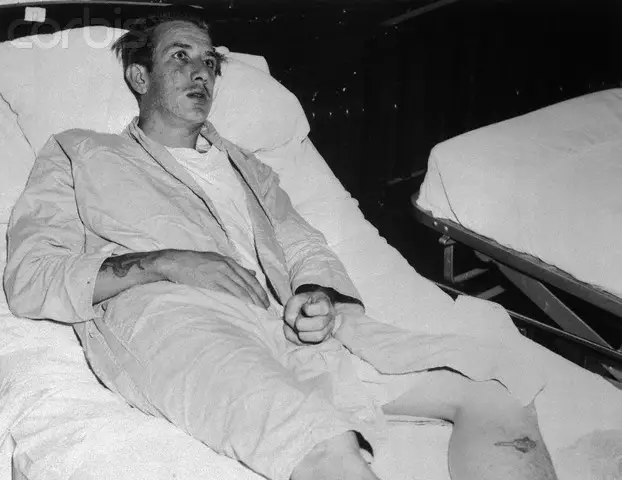
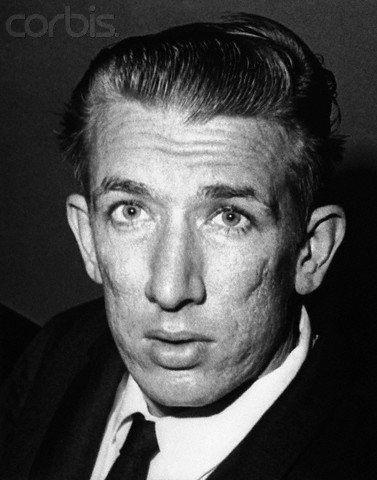
| Forensic Identification Hallmark | Unequivocal eyewitness testimony by survivor Corazon Amurao, who took refuge under a low bed frame and noted the perpetrator's physical features and forearm tattoo reading "Born to Raise Hell". |
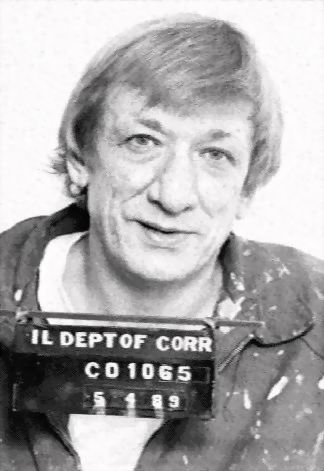
| Judicial History | Sentenced to death in the electric chair in 1967; sentence commuted to life imprisonment in 1972 following Furman v. Georgia. |
Dysfunctional Youth and Antisocial Escalation
The seventh of eight children born in rural Illinois, Richard Speck experienced an unstable childhood marked by the early loss of his biological father. Relocated to Dallas, Texas, following his mother's remarriage to an abusive alcoholic, Speck exhibited severe behavioral problems early on. Between ages thirteen and twenty-four, he was arrested dozens of times for burglary, knife assaults, auto theft, and forgery.
A severe chronic alcoholic and barbiturate abuser, Speck worked periodically as an inland merchant seaman aboard Great Lakes freight vessels. In July 1966, stranded in Chicago awaiting maritime work assignments, he drank heavily in South Side taverns while abusing sedatives.
The Massacre of July 13–14, 1966
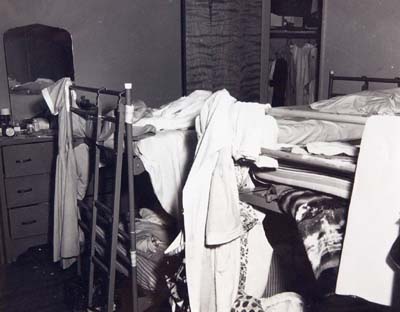
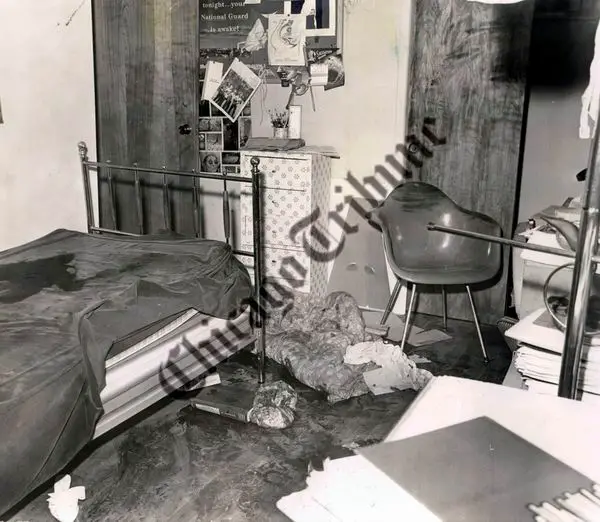
At approximately 11:00 p.m. on July 13, 1966, Speck approached a two-story brick townhouse in Chicago's South Side that served as housing for student nurses affiliated with South Chicago Community Hospital. Brandishing a handgun and a wooden-handled knife, he gained entry and rounded up six women, deceptively soothing them: "Don't be afraid, I just want money to get to New Orleans, I'm not going to hurt you."
As three additional residents arrived home during the night, they were similarly overpowered. Speck ripped bedsheets into strips and systematically bound the wrists and ankles of all nine occupants. With chilling deliberation, Speck escorted each woman individually out of the central bedroom into neighboring rooms.
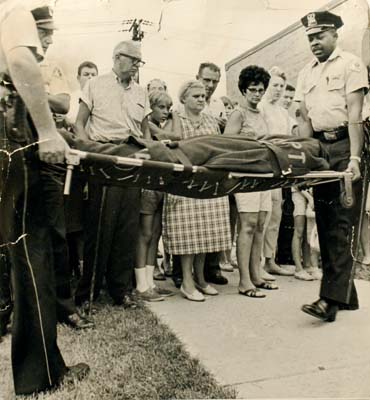
Over the course of the next four hours, Speck strangled seven nurses using bed linens or cordage, inflicted fatal stab wounds into the chests of two others, and subjected Gloria Davy to sexual assault before executing her. Twenty-three-year-old Filipino exchange student Corazon Amurao managed to wriggle beneath a low bunk bed against the wall. Having lost count amid alcohol and drug-induced intoxication, Speck exited the premises around 6:00 a.m.
The Survivor and the Manhunt
Emerging from under the bed nearly an hour after the house fell silent, Corazon Amurao climbed onto a second-story window ledge screaming frantically for assistance.
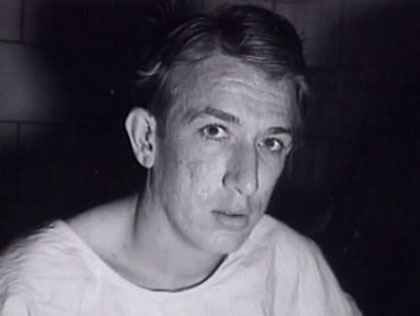
Chicago Police Superintendent O.W. Wilson mobilized a massive municipal manhunt. Amurao provided an exact composite sketch and an indispensable forensic clue: the killer was a tall pockmarked man possessing a distinctive blue anchor tattoo on his left forearm bearing the motto "Born to Raise Hell".
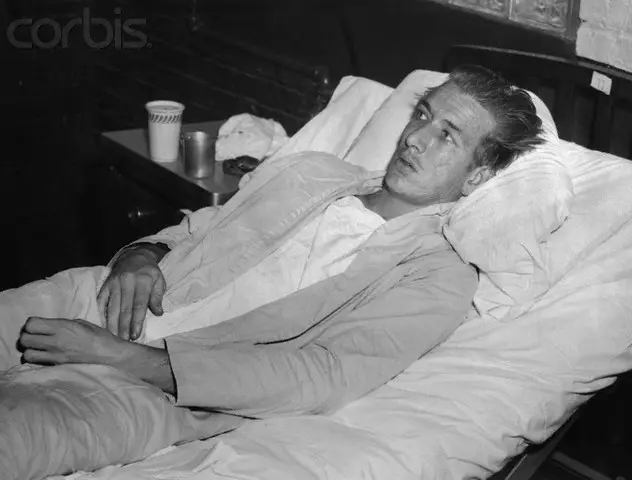
On July 17, Speck attempted suicide by slashing his wrists in a skid row flophouse. Transported to Cook County Hospital, attending physician Dr. LeRoy Smith recognized the "Born to Raise Hell" tattoo after sponging blood from the patient's arm and immediately summoned homicide detectives.
Trial, Commutation, and Death at Stateville
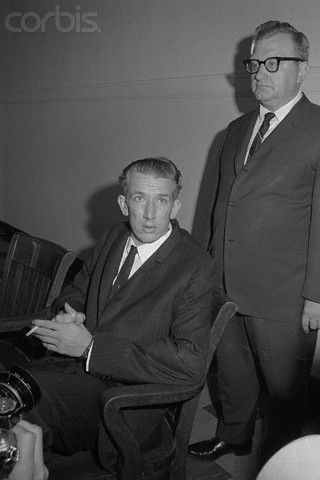
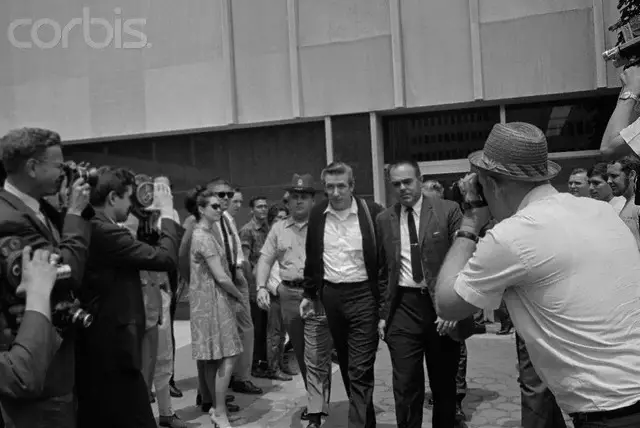
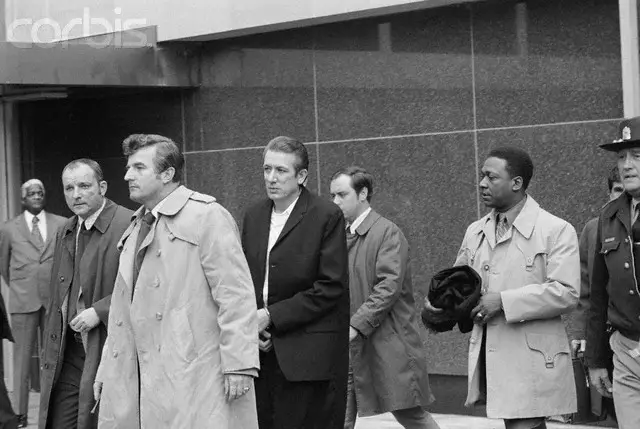
In April 1967, a Peoria jury convicted Richard Speck of eight counts of first-degree murder, recommending capital punishment in the electric chair. In 1972, the US Supreme Court landmark decision Furman v. Georgia invalidated existing state death penalty frameworks, converting Speck's sentence to consecutive terms totaling 400 to 1,200 years.
Decades later, public outrage erupted when a 1988 illicit prison video emerged showing Speck snorting cocaine inside Stateville, wearing feminine underwear, and brazenly boasting about the 1966 murders ("If they only knew how much fun I had..."). Speck died of a heart attack in Stateville on December 5, 1991, one day before his 50th birthday.