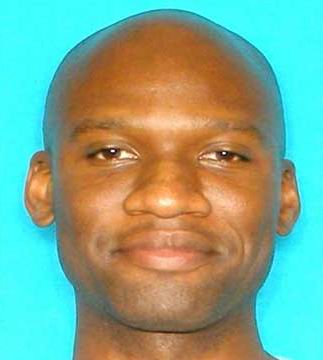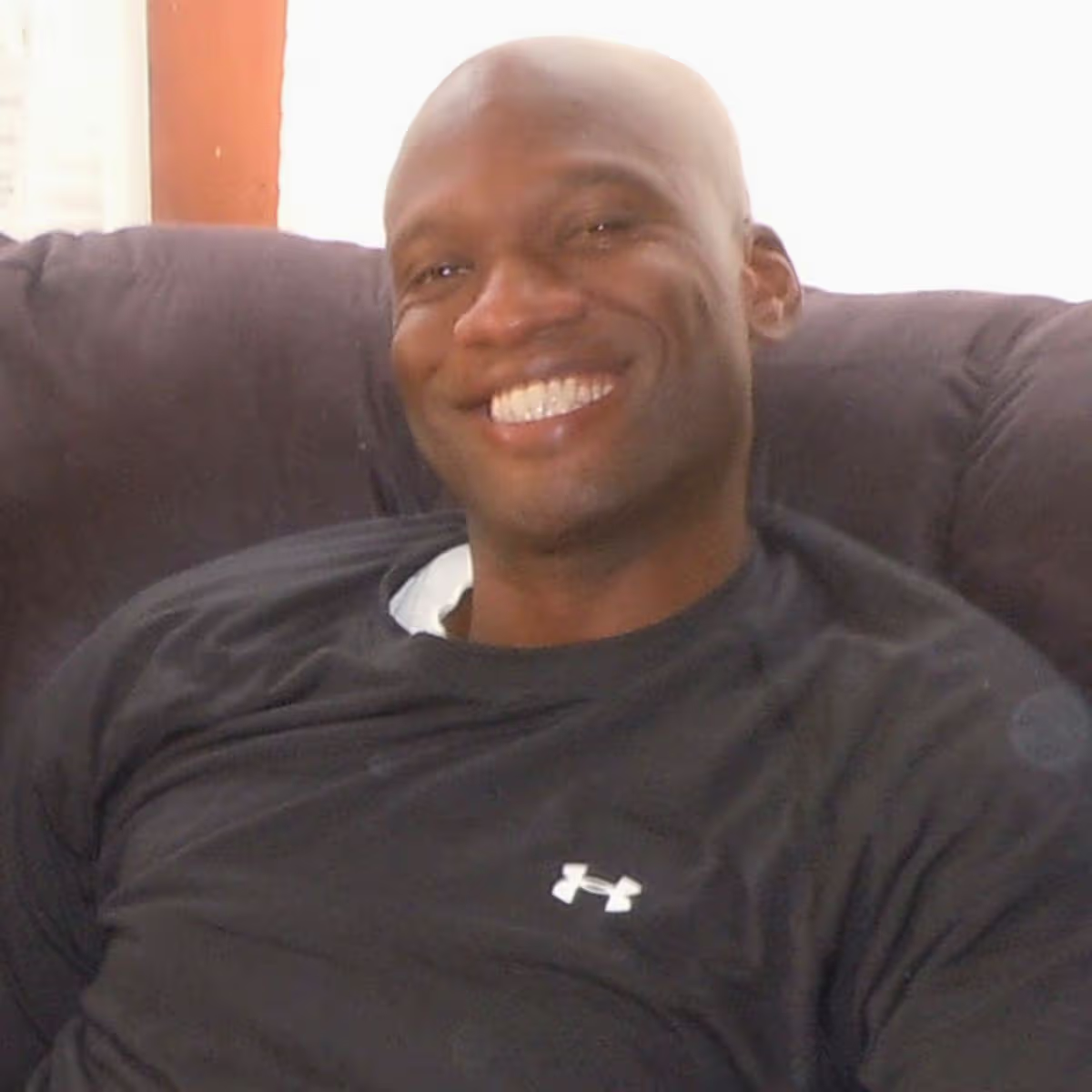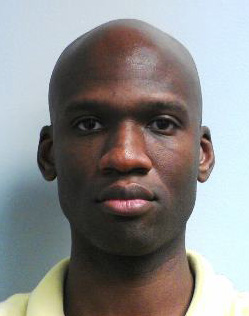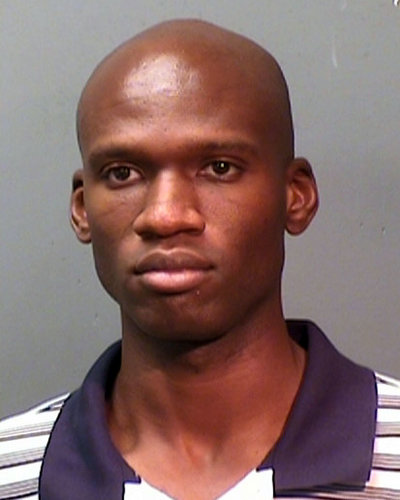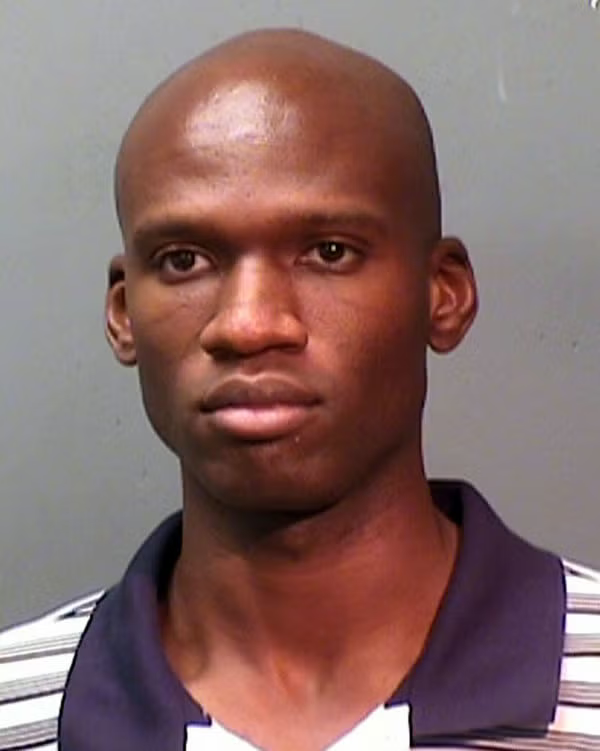




Aaron Alexis: The Washington Navy Yard Massacre and the ELF Wave Delusion
Executive Summary
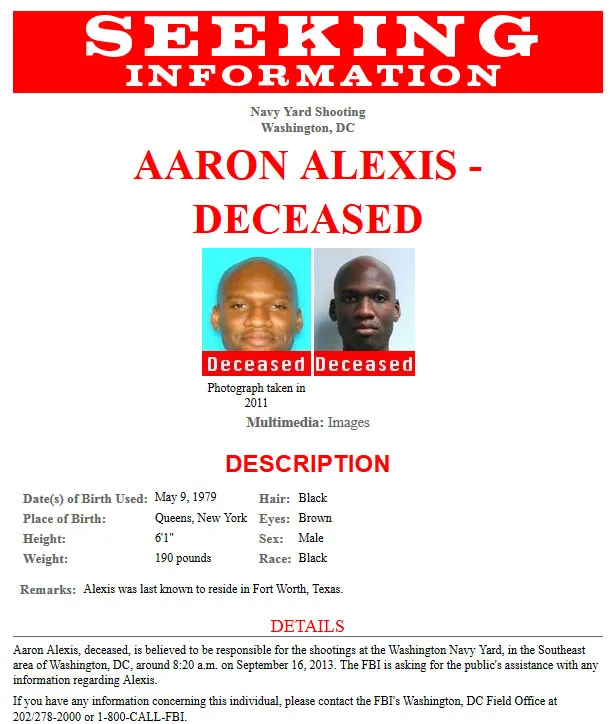
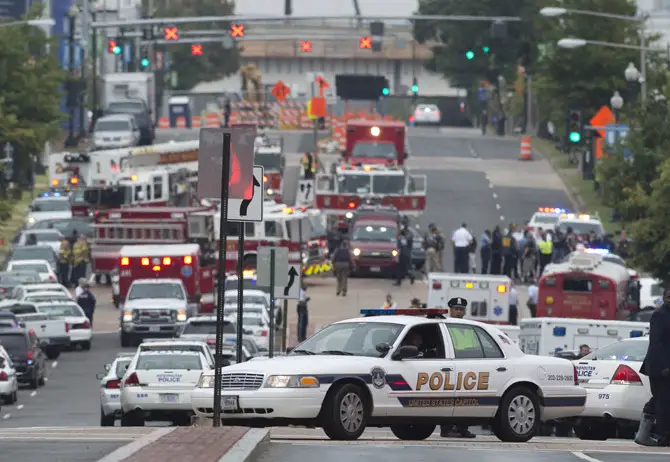
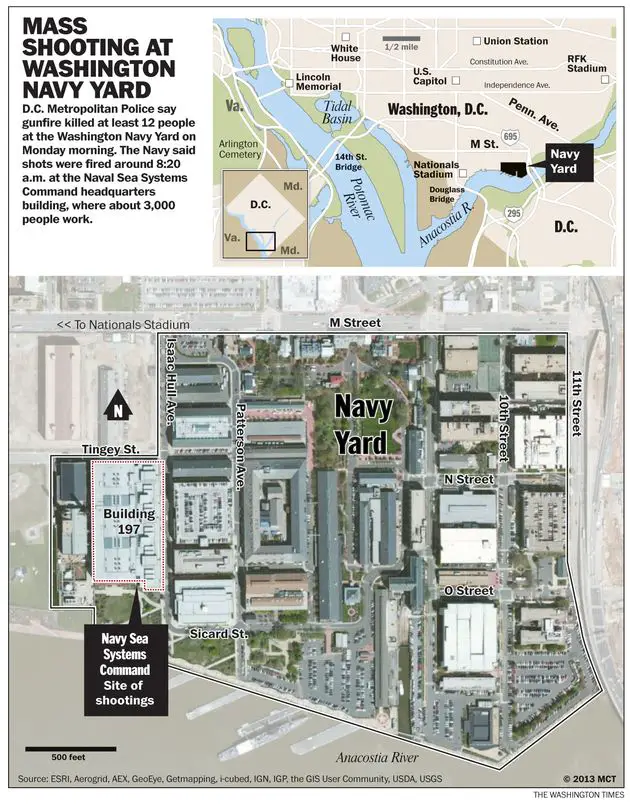
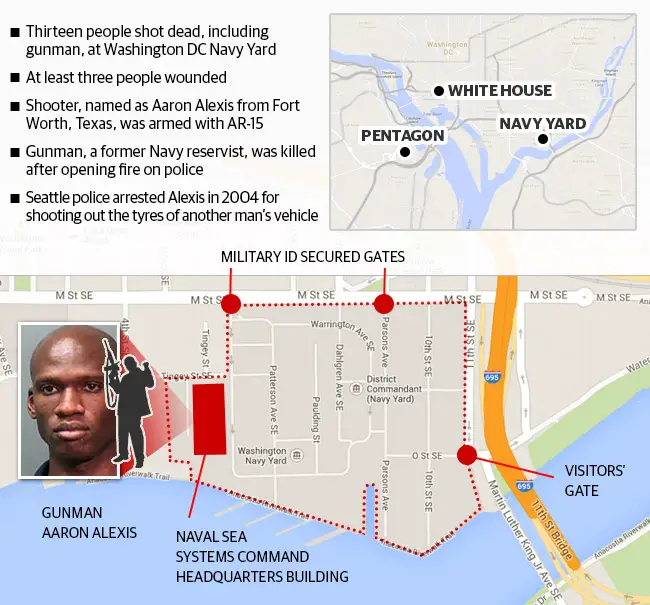
On the morning of Monday, September 16, 2013, Aaron Alexis (1979 – 2013), a 34-year-old former United States Navy Reserve petty officer and civilian IT contractor holding an active federal Secret security clearance, carried out a mass shooting inside Building 197 at the Washington Navy Yard (headquarters of the Naval Sea Systems Command — NAVSEA), in southeast Washington, D.C.
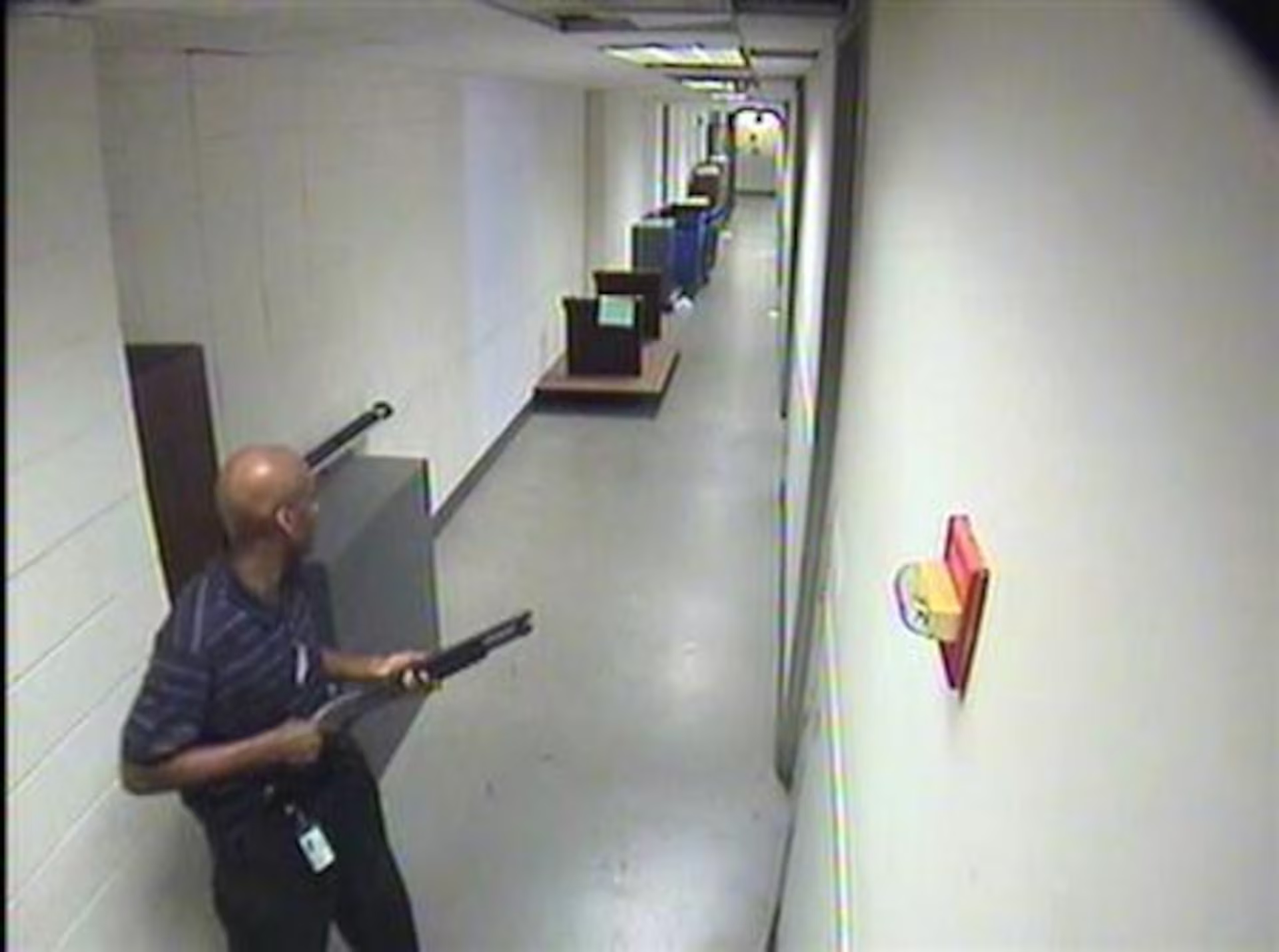
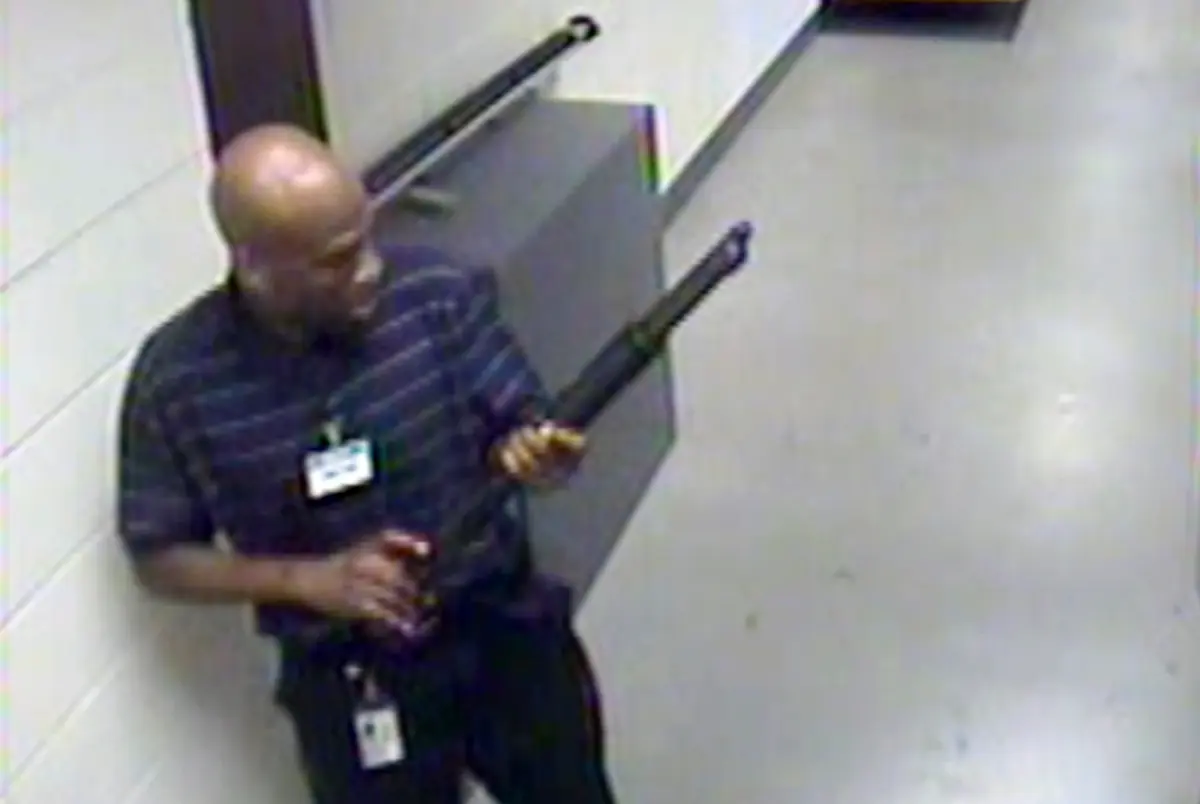
Concealing a disassembled, sawed-off Remington 870 shotgun inside a backpack that he reassembled inside a complex restroom, Alexis methodically stalked the third and fourth floors of the government facility, opening fire at point-blank range on civilian defense employees and contractors. After exhausting his shotgun ammunition, he fatally shot an armed security guard, seized the guard's 9 mm Beretta service pistol, and continued his rampage. The shooting spree ended after more than an hour of tactical room-clearing and corridor firefights when a joint tactical team from the Washington D.C. Metropolitan Police Department (MPD) and the U.S. Park Police engaged and neutralized him with a fatal gunshot wound to the head.
The final toll stood at 12 civilian fatalities and eight individuals injured (three by direct gunfire and five from evacuation-related trauma and falls), marking the second-deadliest mass shooting ever perpetrated on a military installation on U.S. soil. Subsequent FBI behavioral analysis and digital forensics revealed that Alexis acted under the influence of severe, untreated persecutory delusions: he firmly believed he was being targeted and subjected to remote mind control via Extremely Low Frequency (ELF) electromagnetic waves—a delusion he physically carved onto the receiver and stock of his shotgun.
Forensic & Criminological Matrix
| Parameter | Forensic Detail |
|---|---|
| Legal Identity | Aaron Alexis |
| Date of Birth | May 9, 1979 (Queens, New York, U.S.) |
| Date of Death | September 16, 2013 (Aged 34; killed in law enforcement shootout in Washington, D.C.) |
| Criminological Classification | Mass Murderer / Active Shooter / Paranoid Delusional Psychosis |
| Fatal Victims | 12 deceased individuals (all civilian Navy employees and defense contractors) |
| Documented Injuries | 8 wounded (3 from direct ballistic trauma; 5 from blunt force trauma during evacuation) |
| Date & Time of Attack | Monday, September 16, 2013 (08:16 – 09:25 EDT) |
| Primary Crime Scene | Building 197 (Humphreys Building), Washington Navy Yard, Washington, D.C. |
| Weapons Employed | Remington 870 Express 12-gauge shotgun (sawed-off barrel and stock); Beretta 92FS 9 mm pistol (confiscated from a downed guard) |
| Ammunition Expended | 12-gauge 00 buckshot lead pellets; 9×19 mm Parabellum handgun rounds |
| Inscriptions on Weapon | "My ELF Weapon!" / "Better off this way!" / "End to the torment!" |
| Prior Military Record | Aviation Electrician's Mate Third Class, US Navy Reserve (2007–2011) |
| Forensic Determination | Death resulting from penetrating gunshot wound to the cranium sustained during tactical confrontation |
Origins, Military Career, and Psychopathological Decline
Early Life and Trauma
Aaron Alexis was born in Queens, New York, and raised in Brooklyn within a working-class family. On September 11, 2001, he was in Lower Manhattan and subsequently volunteered in rescue and debris-clearing efforts at Ground Zero. Family members later noted that this harrowing experience served as a primary trigger for chronic, unmanaged post-traumatic stress symptoms.
Navy Reserve Service (2007–2011)
In May 2007, Alexis enlisted in the United States Navy Reserve. Trained as an Aviation Electrician's Mate, he was stationed at Fleet Logistics Support Squadron 46 (VR-46) at Naval Air Station Joint Reserve Base Fort Worth, Texas, attaining the rank of Petty Officer Third Class.
Despite executing his technical duties, his military record accumulated at least eight significant disciplinary infractions, ranging from insubordination and unauthorized absences to alcohol-fueled disorderly conduct. Although naval commanders initiated administrative separation proceedings due to unsuitability, bureaucratic downsizing protocols led to his receipt of an honorable discharge on January 31, 2011.
Prior Firearm Incidents: Seattle (2004) and Fort Worth (2010)
Long before the Navy Yard massacre, Alexis displayed alarming patterns of firearm misuse:
- Seattle (June 2004): Following a parking dispute with construction workers near his grandmother's home, Alexis drew a .45-caliber Glock pistol and shot out the tires of the workers' truck. During police interrogation, he claimed he suffered a rage-induced "blackout" triggered by memories of 9/11. He was never prosecuted due to administrative mishandling of the case file.
- Fort Worth (September 2010): He was arrested after firing a bullet through his apartment floor into the ceiling of the unit below. Alexis claimed the gun discharged accidentally while being cleaned, but his downstairs neighbor reported that he had repeatedly harassed and confronted her over everyday apartment noise. Charges were dropped due to inconclusive evidence of intent.
Defense Contracting in Japan and Paranoia Escalation
Between September 2012 and January 2013, Alexis was deployed to military installations in Japan by The Experts, a subcontractor for Hewlett-Packard Enterprise Services tasked with refreshing the Navy Marine Corps Intranet (NMCI).
Upon returning to the United States, his psychological baseline rapidly deteriorated:
- He lived intermittently at a Thai Buddhist temple in Fort Worth, studied conversational Thai, and meditated, yet roommates reported intensifying paranoia, persistent grievances regarding unpaid wages, and claims of institutional racial bias.
- He pursued an online aeronautics degree through Embry-Riddle Aeronautical University.
- He developed intractable insomnia and auditory hallucinations. In August 2013, he sought outpatient care at Veterans Affairs (VA) medical centers in Providence and Boston, where he was prescribed trazodone for sleep disturbance.
The Newport, Rhode Island Incident (August 2013)
On August 7, 2013, while working at Naval Station Newport, Alexis dialed local emergency dispatchers from his hotel. In a state of psychotic agitation, he claimed unknown operatives were tailing him, talking about him through hotel walls and ceilings, and transmitting "electromagnetic vibrations" into his mattress to prevent sleep. Although Newport police warned naval station security of his erratic behavior, his military Common Access Card (CAC) and federal Secret security clearance remained active.
Weapon Procurement and Tactical Preparation
On August 25, 2013, Alexis relocated to the Washington metropolitan area for IT assignments at NAVSEA, staying at a Residence Inn in Southwest D.C. alongside five fellow contractors.
On Saturday, September 14, 2013—48 hours prior to the shooting:
- Alexis drove to Sharpshooters Small Arms Range in Lorton, Virginia, approximately 15 miles south of Washington.
- He test-fired an AR-15 semiautomatic rifle on the range and attempted to purchase a modern sporting rifle or handgun. Federal interstate firearms regulations prevented him from completing an immediate over-the-counter handgun purchase as an out-of-state resident.
- Alexis instead purchased a Remington 870 Express 12-gauge pump-action shotgun along with two boxes of 00 buckshot (24 total shells), successfully passing state and FBI NICS background checks.
- Back in his hotel room, Alexis utilized a hacksaw to shorten both the barrel and wooden buttstock, fabricating a compact weapon concealable in a standard daypack. With a metallic scribe, he carved the following phrases into the receiver:
- "My ELF Weapon!"
- "Better off this way!"
- "End to the torment!"
Operational Timeline: The September 16, 2013 Massacre
07:53 – 08:15: Infiltration
- 07:53: Alexis enters the Washington Navy Yard complex driving a rented Toyota Prius.
- 08:08: He parks in the lot adjacent to Building 197, a facility housing roughly 3,000 NAVSEA personnel.
- 08:15: Carrying a backpack concealing the disassembled shotgun, Alexis swipes his valid CAC card through turnstiles. The facility checkpoints lacked walk-through metal detectors for credentialed contractors.
08:16 – 08:34: Phase One Assault
- Alexis ascends to the fourth floor and enters a men's restroom, where he reassembles the shotgun barrel, magazine tube, and receiver, loading it with buckshot.
- 08:16: Exiting the restroom with weapon drawn, he walks down modular cubicle corridors in the west wing, firing without warning at personnel sitting at desks. Several victims sustain fatal close-range head and thoracic wounds.
- Descending to the third floor, he continues shooting. Workers in adjoining offices initially mistake the loud concussions for construction noise until panicked screaming echoes through hallways.
- In the first-floor atrium, Alexis confronts armed contract security officer Richard Michael Ridgell. Alexis shoots Ridgell fatally in the torso, confiscates his service Beretta 92FS 9 mm handgun and reserve magazines, and discards the empty shotgun to proceed exclusively with the pistol.
- 08:23: Emergency 911 calls flood district dispatch centers from within NAVSEA cubicles.
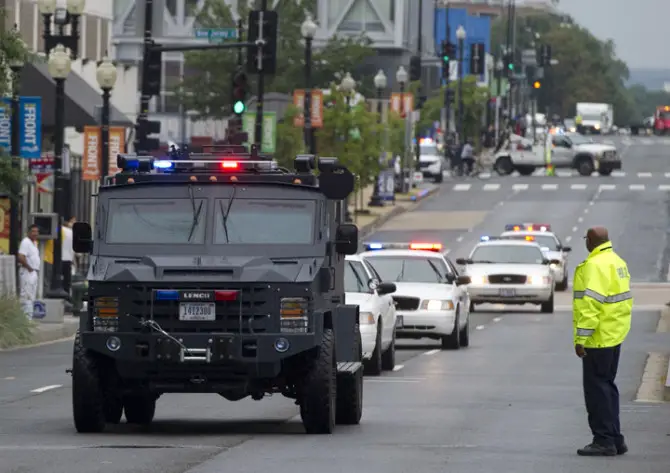
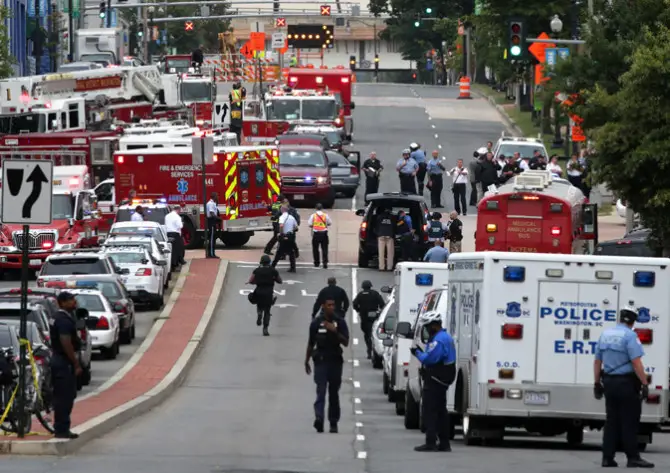
- 08:34: Initial tactical responders from the Metropolitan Police Department (MPD) and U.S. Park Police breach Building 197, organizing into Active Shooter Response Teams.
08:35 – 09:25: Tactical Standoff and Final Shootout
- Alexis retreats to the third floor, using cubicle partitions and blind corridor turns as fighting positions.
- Over the next 30 minutes, Alexis exchanges sporadic gunfire with responding officers. During one exchange, he severely wounds MPD Officer Scott Williams in the leg and injures two fleeing civilians.
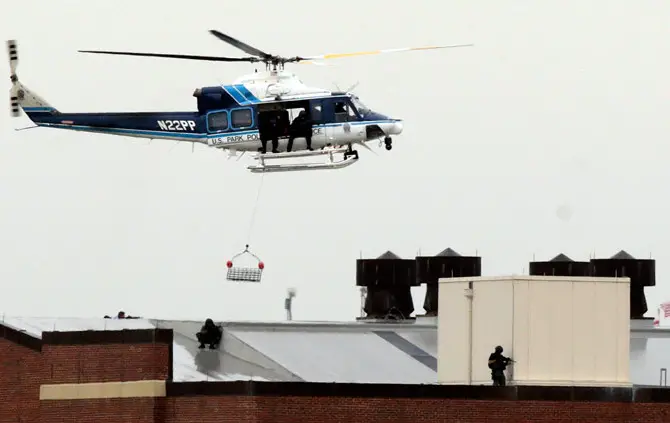
- 09:20: In a central corridor on the third floor, Alexis is cornered by a combined MPD tactical team and Park Police officers. During a sustained exchange of fire, Alexis is struck in the head by police rounds and collapses fatally.
- 09:25: Threat neutralized; at 11:50 a medical examiner officially pronounces Alexis deceased at the scene.
Nominal Register of the Twelve Deceased Victims
All twelve victims were civilian defense contractors or career civil servants assigned to NAVSEA:
- Michael Arnold, 59 — Naval systems engineer, retired Navy veteran of 29 years; resident of Lorton, Virginia.
- Martin Bodrog, 53 — Naval acquisitions specialist and former naval surface warfare officer; resident of Annandale, Virginia.
- Arthur Daniels, 51 — Technical furniture installation contractor; resident of Washington, D.C.
- Sylvia Frasier, 53 — NAVSEA network and information assurance inspector; resident of Waldorf, Maryland.
- Kathy Gaarde, 62 — Surface warfare naval program financial analyst; resident of Woodbridge, Virginia.
- John Roger Johnson, 73 — Naval ordnance and weapons systems analyst with over four decades of service; resident of Derwood, Maryland.
- Mary Francis Knight, 51 — Information technology training director; resident of Reston, Virginia.
- Frank Kohler, 50 — Naval software contractor; resident of Tall Timbers, Maryland.
- Vishnu B. Pandit, 61 — Marine engineer overseeing naval propulsion projects; succumbed at George Washington University Hospital.
- Kenneth Bernard Proctor, 46 — Public utilities program manager; resident of Waldorf, Maryland.
- Gerald L. Read, 58 — Commercial logistics and procurement specialist; resident of Alexandria, Virginia.
- Richard Michael Ridgell, 52 — Armed private security officer and former Maryland police officer; resident of Westminster, Maryland.
Federal Inquiry and Policy Overhaul
On September 25, 2013, the FBI Washington Field Office released its investigative findings:
- Absence of Terrorist Affiliation: No operational or ideological link to domestic or foreign extremist organizations was identified.
- Psychotic Compulsion: Electronic records, journal notes, and text messages recovered from his vehicle substantiated a deep-seated psychotic persecutory complex. A recovered electronic note stated: "Ultra low frequency attack is what I've been subject to for the last 3 months, and to be perfectly honest, that is what has driven me to this."
- Security Clearance Reform: Defense Secretary Chuck Hagel ordered sweeping worldwide audits of security clearance management. The U.S. Congress enacted legislative reforms mandating immediate real-time reporting of psychiatric hospitalizations and firearm arrests for cleared personnel.