Forensic & Criminological Matrix
| Parameter | Forensic Detail |
|---|---|
| Forensic Heading / Aliases | null |
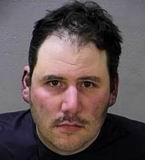
| Legal Identity | Michael Alan Silka |
| Confirmed Victims | 9 |
| Attributed / Indicted Victims | 9 |
| Active Timeline | May 1984 |
| Jurisdiction / Area of Operations | Manley Hot Springs, Alaska, USA |
| Criminological Classification | Spree killer |
| Forensic Modus Operandi | Execution by firearm and disposal of bodies in river currents |
| Weapon / Mechanism of Death | .30-06 rifle, shotgun, and handguns |
| Motive / Behavioral Dynamics | Unknown (antisocial personality) |
| Judicial Outcome | Deceased (killed in police shootout) |
1. Background and Profile
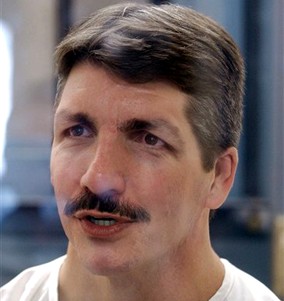
Michael Alan Silka was born on August 20, 1958. A native of Hoffman Estates, Illinois, he had a documented history of criminal behavior starting in 1975, including burglary and weapons charges. Described by peers as a loner and a non-conformist, he moved to Alaska in 1984 to pursue a survivalist lifestyle.
2. Crime Spree
Silka's rampage began with the disappearance of his neighbor, Roger Culp. On May 17, 1984, he murdered six residents of Manley Hot Springs at a boat landing: Lyman Klein, his pregnant wife Joyce, their 2-year-old son Marshall, Joe McVey, Dale Madajski, and Albert Hagen. He later killed trapper Fred Burk. The bodies were dumped into the Tanana River.
3. Investigation and Arrest
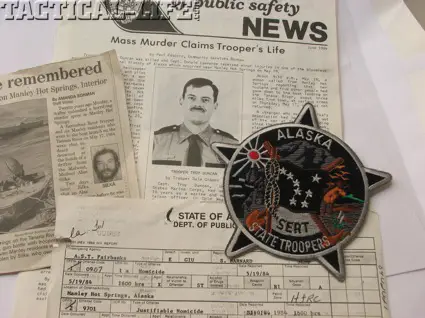
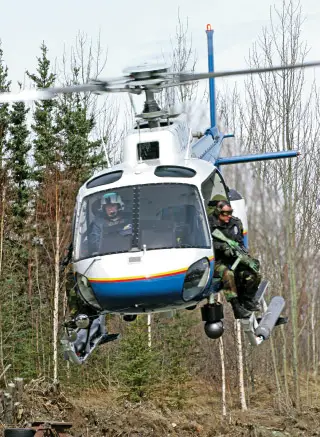
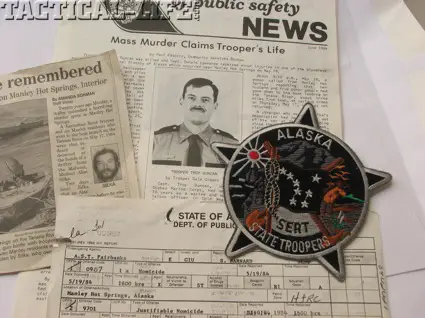
Following the discovery of blood at the landing, Alaska State Troopers launched a massive search. On May 19, Silka was spotted fleeing in a canoe. When troopers approached in helicopters, Silka opened fire with a high-powered rifle, killing Trooper Troy L. Duncan.
4. Legal Proceedings and Outcome
Silka was killed instantly by return fire from the troopers. Due to his death, no criminal trial took place. The case remains a significant study in the rapid escalation of violence by isolated individuals in remote jurisdictions.