


Forensic & Criminological Matrix
| Parameter | Forensic Detail |
|---|---|
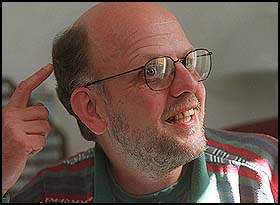
| Legal Name | Sture Ragnar Bergwall |
| Recorded Aliases | Thomas Quick, "Sätermannen" (The Säter Man) |
| Date of Birth | April 26, 1950 |
| Place of Origin | Korsnäs, Falun, Sweden |
| Nationality | Swedish |
| Classification | Pathological False Confessor / Historical Judicial Error & Iatrogenic Suggestion |
| Proven Fatal Victims | 0 proven victims (Fully exonerated of all murder convictions) |
| Induced Confessions | Over 30 fabricated homicides during psychiatric confinement under heavy sedation |
| Overturned Convictions | 8 murder convictions formally vacated and dismissed between 2008 and 2013 |
| Current Legal Status | Released and fully cleared in March 2014; compensated for wrongful state detention |
Early Life & Confinement
Sture Ragnar Bergwall was born in 1950 in Falun, Sweden. His youth and adult life were characterized by psychiatric treatment, severe substance dependency, and non-violent criminal offenses. Following an attempted armed bank robbery in 1991, he was committed to closed forensic psychiatric confinement at Säter Hospital (Säters sjukhus).
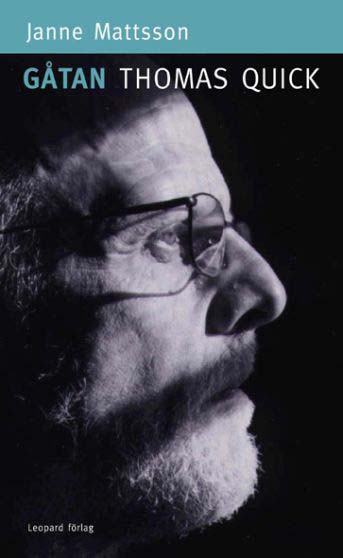
During this period of institutionalization, he legally changed his name to Thomas Quick, combining the first name of an alleged childhood acquaintance with his mother's maiden name.
The Säter Psychiatric Hospital Scandal
Beginning in 1992, under high daily regimens of benzodiazepines and psychotropic medications administered during "recovered memory" psychoanalytic therapy, Bergwall began offering detailed confessions to unsolved Scandinavian cold cases. Over the next decade, he confessed to more than thirty homicides across Sweden, Norway, Denmark, and Finland spanning 1964 to 1996.
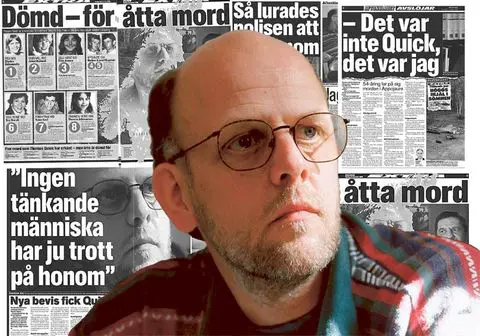
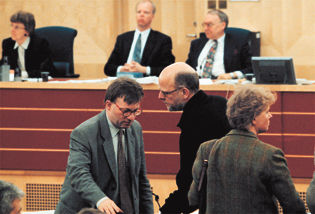
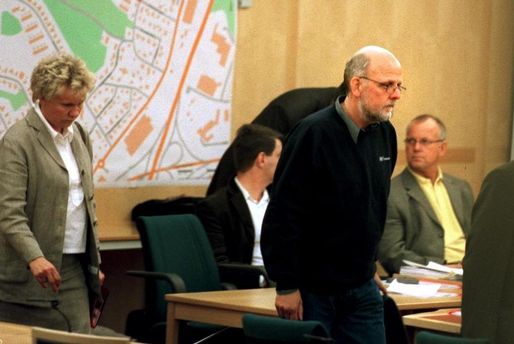
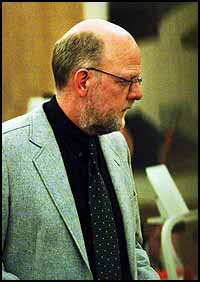
Despite the complete absence of physical corroboration, biological trace evidence, or forensic findings tying him to the scenes, prosecutorial teams accepted his statements. Investigators repeatedly coached him during on-site crime reconstructions. Between 1994 and 2001, Swedish district courts convicted Bergwall of eight murders, and media outlets sensationalized him as Scandinavia's worst serial killer.
Investigative Journalism and Full Exoneration
In 2008, Swedish investigative journalist Hannes Råstam initiated an in-depth journalistic inquiry for Sveriges Television (SVT). Interviewed after withdrawing from psychiatric sedation, Bergwall recanted all previous confessions, explaining that he had fabricated narratives using library archives and crime literature to gain institutional approval, emotional attention, and sustained access to narcotic medications.
Official inquiries subsequently proved that prosecutors had suppressed exculpatory witness statements and physical evidence. Between 2009 and 2013, appellate courts re-examined and quashed all eight murder convictions. In March 2014, Bergwall was discharged as an innocent man. The Thomas Quick affair stands in modern forensic science as one of Europe's most notorious judicial scandals and a landmark case study in iatrogenic suggestion and false confessions.