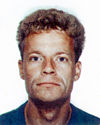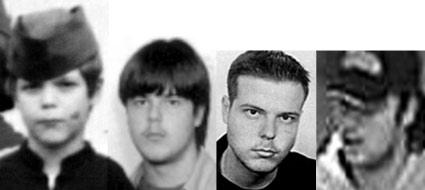
Forensic & Criminological Matrix
| Parameter | Forensic Detail |
|---|---|
| Forensic Heading / Aliases | Sätramördaren |
| Legal Identity | Karl Helge Hampus Hellekant (later Karl Svensson) |
| Confirmed Victims | 1 |
| Attributed / Indicted Victims | 1 |
| Active Timeline | 1999 |
| Jurisdiction / Area of Operations | Stockholm, Sweden |
| Criminological Classification | Ideologically motivated murderer (Hate Crime) |
| Forensic Modus Operandi | Planned execution via firearm at the victim's residence |
| Weapon / Mechanism of Death | Firearm |
| Motive / Behavioral Dynamics | Neo-Nazi ideology and political retaliation |
| Judicial Outcome | 11-year prison sentence |
1. Background and Profile
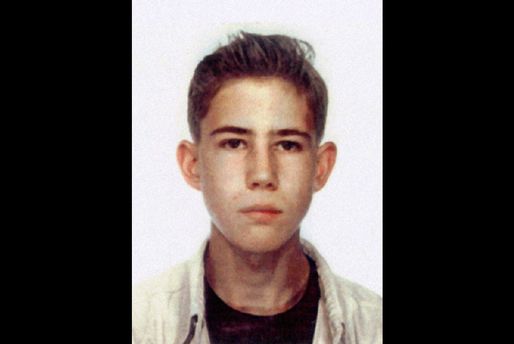
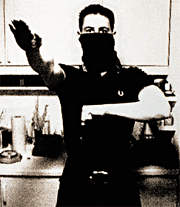
Karl Helge Hampus Hellekant (born 1976) was a prominent figure within Swedish neo-Nazi circles. His profile is characterized by extreme political radicalization, evidenced by his involvement in the creation of 'death lists' containing over 1200 names of individuals targeted by his group.
2. Crime Spree
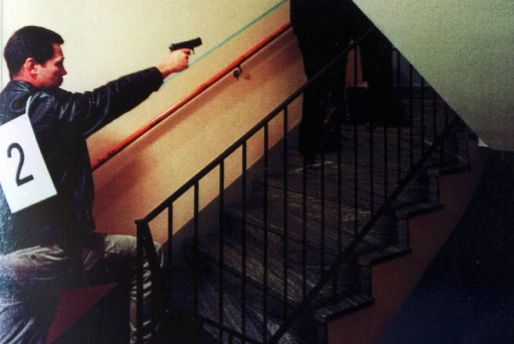
On October 12, 1999, Hellekant murdered Björn Söderberg, a syndicalist union member. The murder was explicitly motivated by Söderberg's public opposition to neo-Nazi activities, leading the court to classify the act as a hate crime.
3. Investigation and Arrest
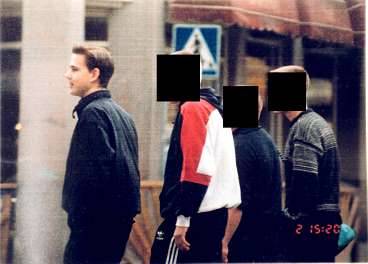
Police investigations into the neo-Nazi network in Stockholm led to the discovery of the 'death lists'. This evidence was crucial in identifying Hellekant and his accomplices, linking them directly to the execution of Söderberg.
4. Legal Proceedings and Outcome
Hellekant was sentenced to 11 years in prison. The case gained significant notoriety when, after his release, he attempted to pursue a medical degree at the Karolinska Institute, leading to a major controversy regarding the ethical suitability of convicted violent offenders in the medical profession.
5. Psychiatric Assessment and Aftermath
Having changed his name to Karl Svensson, Hellekant's post-prison life remains a subject of public scrutiny. His dismissal from medical school serves as a landmark case in Swedish medical ethics and the limitations of rehabilitation for individuals convicted of ideologically driven hate crimes.