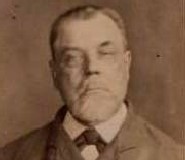



Forensic & Criminological Matrix
| Parameter | Forensic Detail |
|---|---|
| Forensic Heading / Aliases | Kitte-Pelle |
| Legal Identity | Per Pålsson |
| Confirmed Victims | 1 |
| Attributed / Indicted Victims | 1 |
| Active Timeline | 1848-1868 |
| Jurisdiction / Area of Operations | Lemmeshult, Sweden |
| Criminological Classification | Murderer / Thief |
| Forensic Modus Operandi | Armed robbery with firearm |
| Weapon / Mechanism of Death | Firearm (shooting) |
| Motive / Behavioral Dynamics | Financial gain |
| Judicial Outcome | Death penalty (1853), commuted to life imprisonment, pardoned in 1868 |
1. Background and Profile
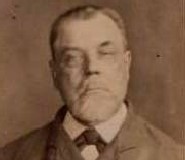
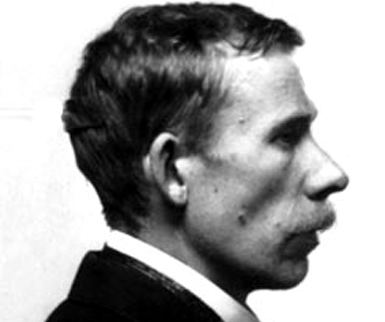
Per Pålsson, commonly referred to as "Kitte-Pelle", was born on September 16, 1828, in Östra Tockarp, Örkelljunga. His criminal record began in 1849 at age 18, when he was accused of multiple thefts in Örkelljunga and Vedby. His recidivism was notable, including a 1848 incident involving the theft of knives and 288 buttons from Per Månsson in Kyrkolycke, resulting in a 24-day prison sentence.
2. Crime Spree
The defining criminal act occurred on December 24, 1868. During an attempted robbery, Pålsson used a firearm, which resulted in the death of 21-year-old Hanna Pålsdotter in Lemmeshult. The incident was classified as a robbery gone wrong, marking a significant escalation in his criminal behavior.
3. Investigation and Arrest
The investigation was handled by local authorities in the Åsbo region. Following the murder of Hanna Pålsdotter, evidence gathered at the scene directly linked Pålsson to the crime and the weapon used. He was subsequently apprehended and brought before the Härads court.
4. Legal Proceedings and Outcome
On May 21, 1853, the Härads court sentenced Pålsson to be whipped and executed by decapitation for the robbery and murder of Hanna Pålsdotter. However, on August 11, 1853, the sentence was commuted to life imprisonment with mandatory church duties. He served time at Örkelljunga prison, Varberg Fortress, and Malmö central prison.
5. Forensic Conclusion
After serving fifteen years, Pålsson was fully pardoned and released on May 31, 1868. He died on February 4, 1914. The case remains a subject of historical interest, notably documented in the 1985 book Ödes julen i Lemmeshult 1868, which examines the aftermath of the crime in 19th-century Sweden.