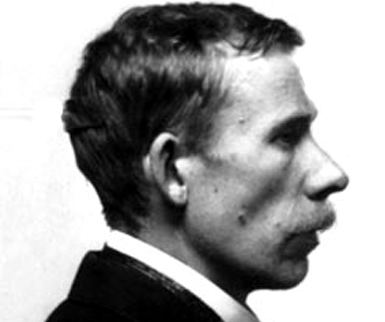
Forensic Profile
| Parameter | Forensic Detail |
|---|---|
| Full Name | Teet Härm |
| Legal Identity | Teet Härm |
| Judicial / Media Moniker | The Da Costa Case / Styckmordet (The Pathologist) |
| Date of Birth | September 23, 1953 |
| Place of Birth | Stockholm, Sweden |
| Professional Background | Forensic pathologist (Karolinska Institute) |
| Crime Location | Solna and Stockholm, Sweden |
| Date of Crime | June – July 1984 |
| Legal Status | Formally acquitted of murder in 1988; financially compensated by the state in 2010 |
| Imputed Victim | Catrine da Costa (28) |
| Criminological Classification | Controversial landmark homicide / Anatomical dismemberment |
| Forensic Evidence | Surgical dismemberment of torso and limbs recovered in refuse bags |
| Judicial Jurisdiction | Stockholm District Court / Svea Court of Appeal (Svea hovrätt) |
Case Overview and Judicial Significance
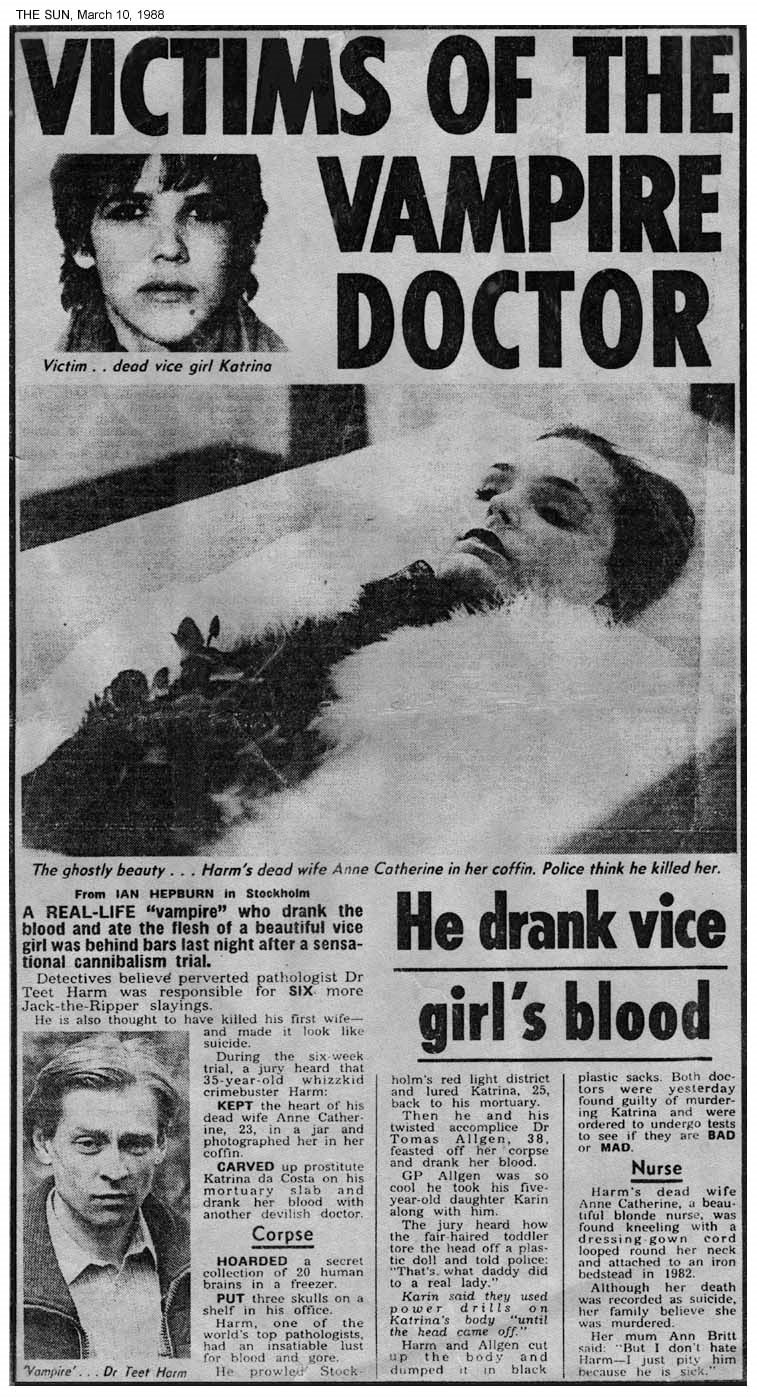
The 1984 murder and dismemberment of 28-year-old Catrine da Costa in Solna, Sweden, remains one of the most widely debated cases in Scandinavian legal history. Forensic examination of the recovered remains revealed precise surgical sectioning of bones and joints, focusing police attention on medical practitioners.
Dr. Teet Härm, a pathologist at the Karolinska Institute, and Dr. Thomas Allgén were tried for murder in 1988. Both were acquitted of murder due to insufficient evidence regarding the cause and perpetrator of death, though the legal aftermath and media scrutiny profoundly influenced Swedish forensic standards and criminal procedure.