



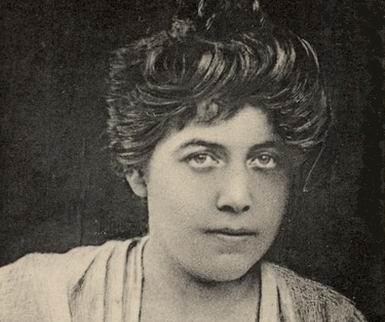
Forensic & Criminological Matrix
| Parameter | Forensic Detail |
|---|---|
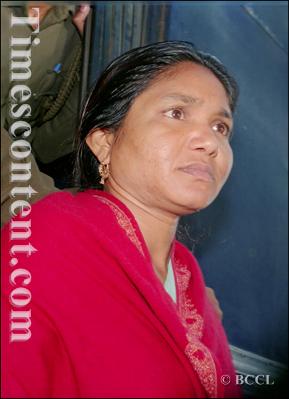
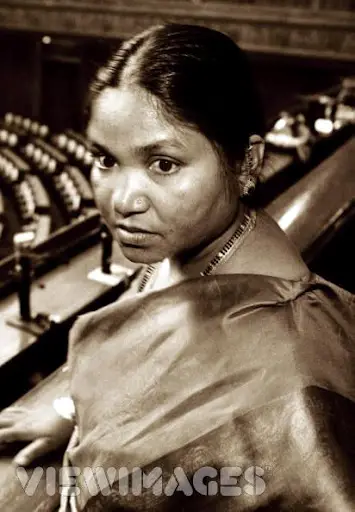
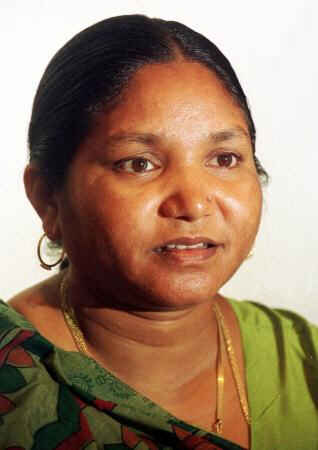
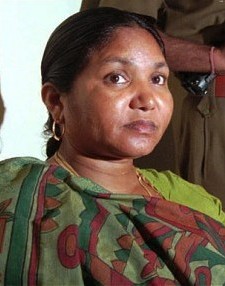
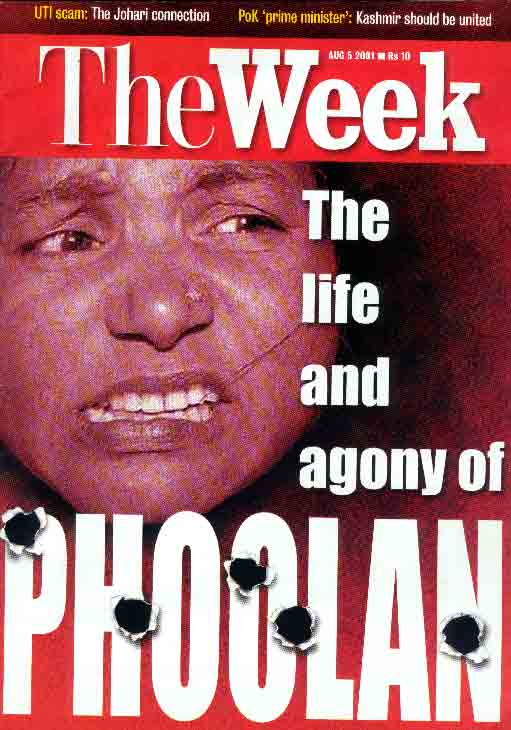
| Full Legal Name | Phoolan Devi (फूलन देवी) |
| Registered Monikers | The Bandit Queen, Dacoit Queen of Chambal |
| Nationality | Indian |
| Date and Place of Birth | August 10, 1963, Gorha Ka Purwa, Jalaun district, Uttar Pradesh, India |
| Date and Place of Death | July 25, 2001, New Delhi, India (aged 37) |
| Cause of Death | Gunshot wounds to the head and torso (politically motivated retaliatory assassination) |
| Criminal Classification | Armed dacoit insurgent leader / Retaliatory mass murderer |
| Active Criminal Period | 1979 – 1983 |
| Confirmed Victims | 20 (Behmai Massacre, February 14, 1981) |
| Modus Operandi | Paramilitary raids armed with rifles, extortion of upper-caste landowners, kidnappings for ransom, and retaliatory mass execution. |
| Psychological Profile | Severe complex post-traumatic stress fueled by child marriage trauma, extreme physical abuse, caste oppression, and systematic retaliatory vengeance. |
| Judicial and Political History | Negotiated conditional surrender in 1983; imprisoned without formal conviction for 11 years; charges dropped in 1994; twice elected to the Indian Parliament (Lok Sabha). |
Early Life and Trauma
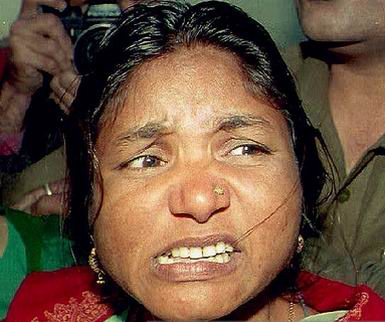
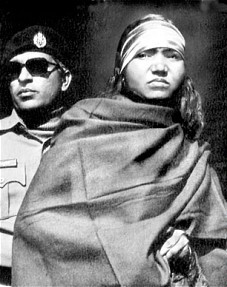
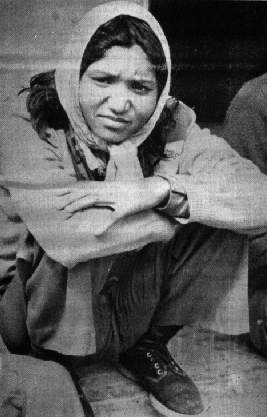
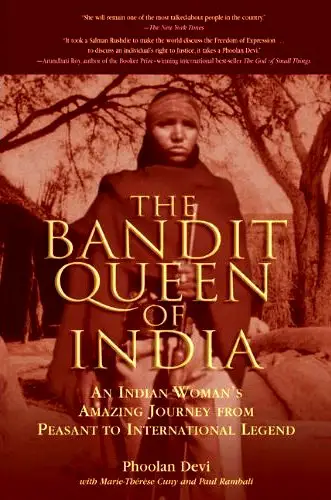
Phoolan Devi was born into the impoverished Mallah boatmen community, a lower caste in Uttar Pradesh. Married off at age eleven to an abusive man more than twenty years older, she suffered severe violence and starvation before fleeing back to her family village, where she was ostracized. In her mid-teens, following land disputes with upper-caste Thakur landlords, she was framed for theft and repeatedly brutalized in police custody.
By 1979, she was abducted by armed dacoit gangs roaming the lawless Chambal ravines. Rival Thakur gang members later murdered her partner, Vikram Mallah, and dragged Devi to the village of Behmai, holding her captive and subjecting her to systematic gang-rape over several weeks before she escaped.
The Behmai Massacre and the Dacoit Campaign
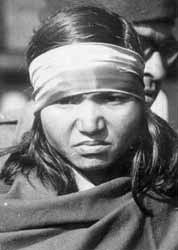
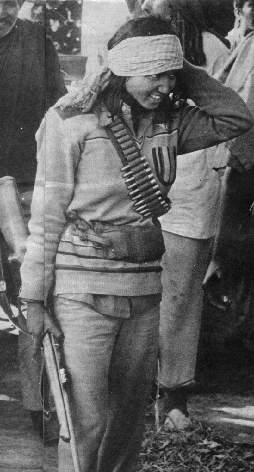
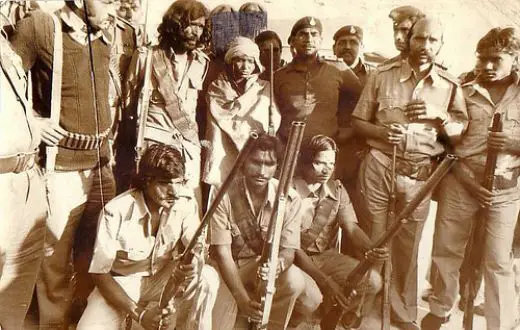
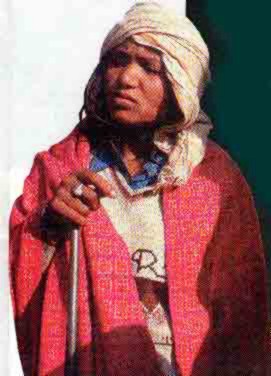
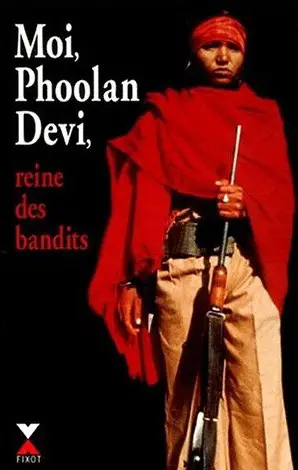
Phoolan Devi regrouped with loyal lower-caste fighters, donned khaki paramilitary fatigues and a scarlet bandana, and armed herself with a .303 Lee-Enfield rifle. Taking command of a lethal dacoit band, she ambushed commercial traffic, kidnapped wealthy landowners, and redistributed portions of the proceeds to impoverished villagers.
On February 14, 1981, Devi and her gang marched into the village of Behmai demanding that her rapists be surrendered. When they were not produced, twenty-two Thakur men were lined up along the Yamuna riverbank; twenty were executed on the spot by synchronized rifle fire. The Behmai massacre ignited nationwide fury, prompted the resignation of Uttar Pradesh's Chief Minister, and triggered an intense military and police dragnet.
Surrender, Incarceration, and Parliamentary Rise
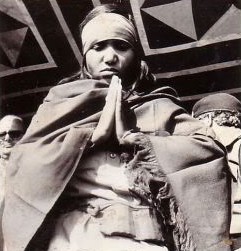
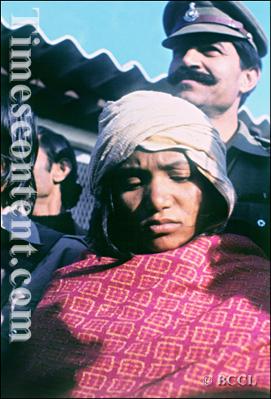
After evading thousands of security personnel across rugged ravines for two years, Devi agreed to surrender in February 1983 in Madhya Pradesh before Chief Minister Arjun Singh, under conditions that spared her the death penalty.
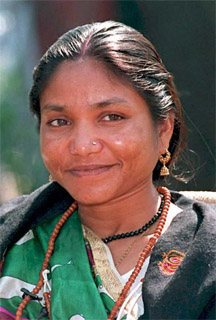
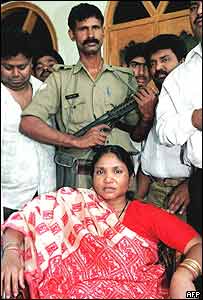
She spent eleven years detained without trial in Gwalior and Delhi prisons until 1994, when Chief Minister Mulayam Singh Yadav dismissed the charges against her. Devi emerged as a folk heroine and champion of lower-caste rights. In 1996 and 1999, she was elected as a Member of Parliament (Lok Sabha) representing the Mirzapur constituency for the Samajwadi Party.
Assassination in 2001
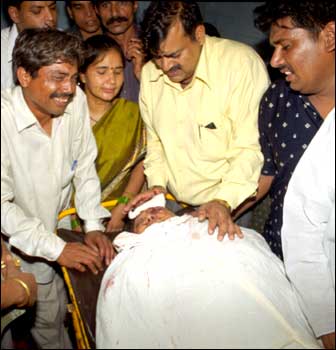
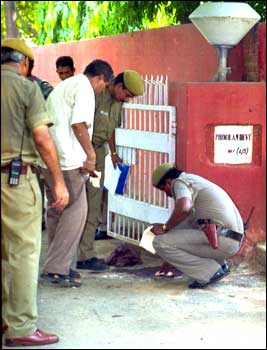
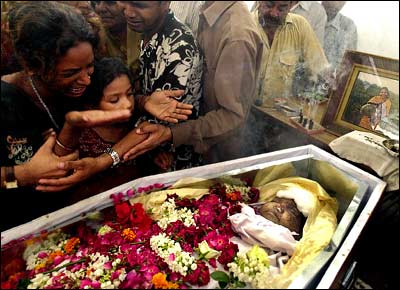
On July 25, 2001, outside her official parliamentary residence in central New Delhi, Devi was ambushed by gunmen who fired nine rounds into her head and chest. Sher Singh Rana surrendered for the murder, claiming it was an act of vengeance for the victims of the 1981 Behmai massacre.