




Forensic & Criminological Matrix
| Parameter | Forensic Detail |
|---|---|
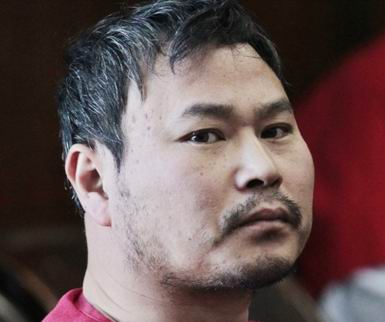
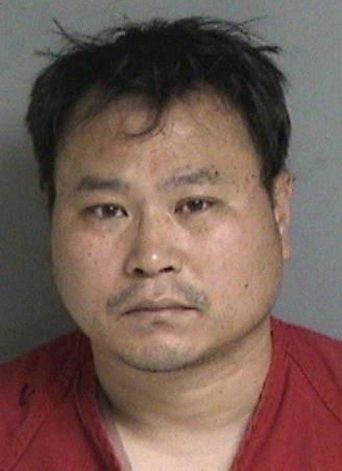
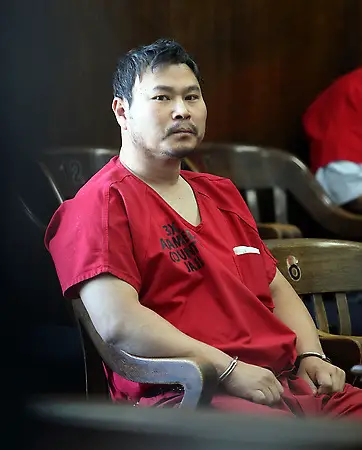
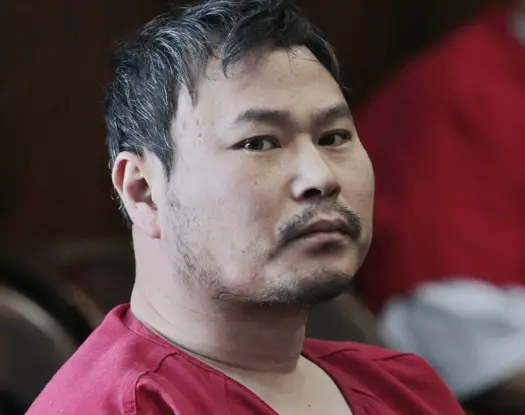
| Full Legal Name | One L. Goh (born Su Nam Ko / 고수남). |
| Criminal Moniker | The Oikos University Shooter, The Oakland Campus Massacre. |
| Criminological Classification | Mass murderer / University active shooter driven by persecutory psychotic breakdown. |
| Date of Attack | Monday, April 2, 2012 (commenced at approximately 10:30 AM). |
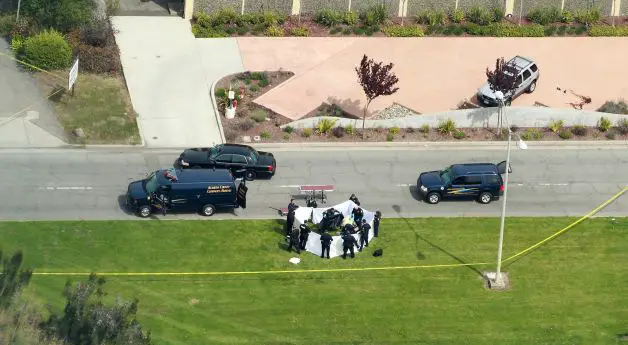
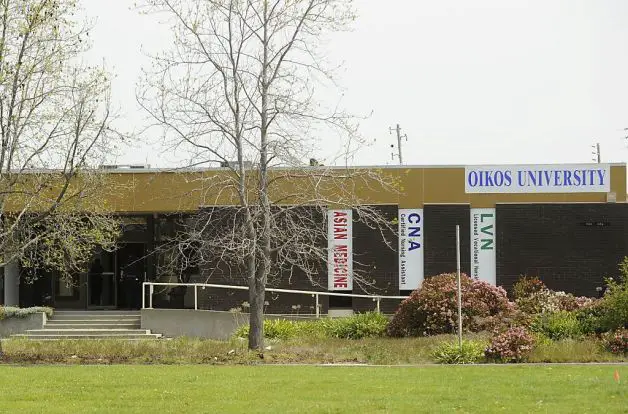
| Crime Scene | Oikos University campus, Edgewater Drive, Oakland, California (United States). |
| Fatalities | 7 innocent individuals murdered: |
| Injured | 3 surviving students critically wounded by direct gunshot trauma. |
| Weapon Utilized | .45-caliber ACP semiautomatic pistol legally purchased at a Castro Valley gun retailer. |
| Motive | Chronic persecutory delusions, festering resentment over his disciplinary expulsion from the nursing curriculum, ungrounded claims of linguistic ridicule, and violent anger over tuition refund denials. |
| Psychiatric Diagnosis | Severe chronic paranoid schizophrenia characterized by auditory hallucinations and systematized persecutory complexes; remanded to Atascadero State Hospital for restoration of trial competency. |
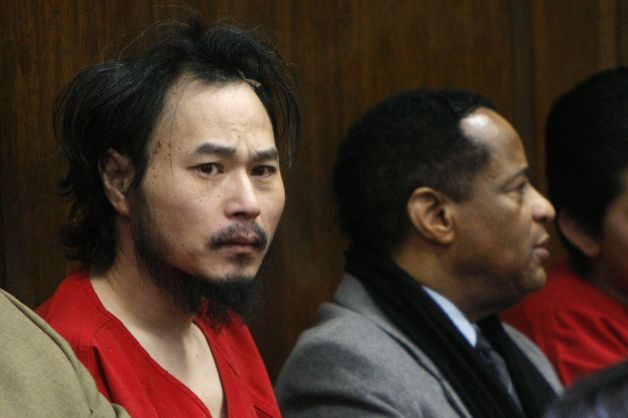
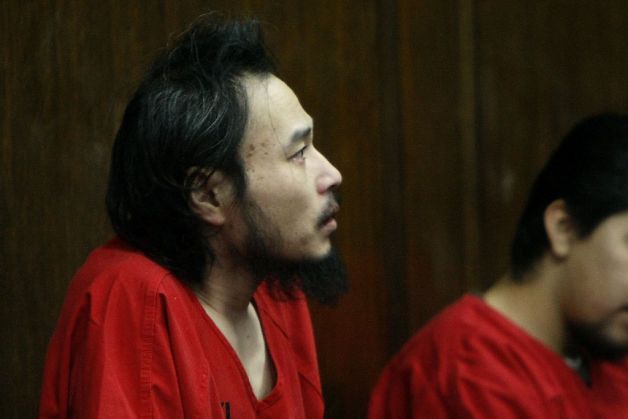
| Judicial Disposition | Pleaded no contest in May 2017 to seven counts of first-degree murder and three counts of premeditated attempted murder; sentenced to seven consecutive life terms plus 271 years without parole. Died in custody at California State Prison-Sacramento on March 20, 2019. |
Introduction: The Slaughter at Oikos University
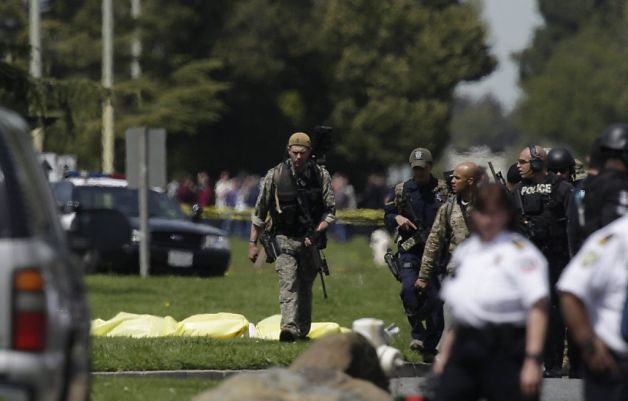
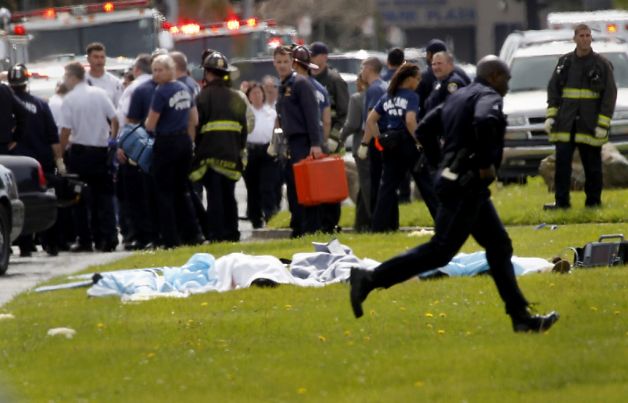
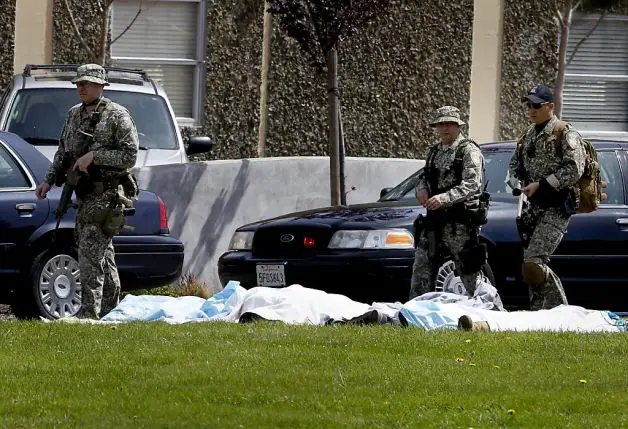
On the morning of April 2, 2012, Oikos University—a private Korean-American Christian institution situated in an industrial park in East Oakland, California—became the scene of catastrophic mass violence. A former nursing student who had been expelled months earlier returned to the modest facility armed with high-capacity magazines and a lethal agenda.
Herding his former classmates against a whiteboard in an anatomy lecture hall, One L. Goh methodically opened fire in an execution-style lineup. Firing dozens of rounds before calmly exiting in a slain student's car, Goh left seven dead and three severely wounded, marking the deadliest university shooting in California history.
Background, Psychosis, and Disciplinary Expulsion
Born in South Korea in November 1968, Goh immigrated to the United States with his family, eventually becoming a naturalized US citizen. In the years immediately preceding the tragedy, Goh suffered a devastating cascade of personal losses: his younger brother was killed in an automobile crash, and his mother died shortly thereafter, plunging him into social isolation and crushing tax debts.
In 2011, Goh enrolled in Oikos University's vocational nursing program. However, his volatile outbursts, paranoid assertions that instructors and classmates were mocking his English proficiency, and erratic behavior culminated in his disciplinary expulsion in November 2011. Goh fixated on the belief that university administrators were actively sabotaging his life while withholding thousands of dollars in tuition reimbursement.
The Assault at Edgewater Drive
On April 2, 2012, Goh arrived at the campus armed with a .45-caliber semiautomatic handgun:
- Administrative Breach: Goh entered the front office demanding to confront a specific female administrator. When 24-year-old receptionist Katleen Ping explained the administrator was away from the facility, Goh drew his weapon and forced her down the hallway at gunpoint.
- The Classroom Execution Lineup: Goh forced Ping into an active nursing lecture room occupied by approximately thirty students. Brandishing his pistol, he ordered the students to stand and line up against the whiteboard.
- Mass Execution: As terrified students debated whether the scenario was an elaborate drill, Goh executed Ping and opened continuous fire along the line of students. As ammunition ran low and he reloaded, panicked students scrambled through emergency doors, with Goh pursuing victims through corridors.
- Evasion: Leaving seven mortally wounded individuals behind, Goh snatched the car keys from a dying student's possession and drove away from the bloodstained building.
Surrender at Alameda Safeway
Hours later, while tactical teams cleared the barricaded campus buildings, Goh entered a Safeway supermarket in neighboring Alameda, five miles from the crime scene.
Approaching an in-store security guard, Goh stated calmly: "I just shot several people at my school. You should call the police."
Responding officers from the Alameda Police Department arrested Goh without resistance. In detailed recorded confessions, Goh readily recounted the killings, expressing aggrieved bitterness that faculty members had "disrespected him" and refused his financial reimbursement requests.
Competency Standoff, Incarceration, and Death
In January 2013, an Alameda County Superior Court judge ruled that Goh was mentally incompetent to stand trial due to acute paranoid schizophrenia with active persecutory delusions. He was committed to Atascadero State Hospital, where he underwent intensive psychiatric pharmacotherapy for over four years.
By May 2017, psychiatric evaluations confirmed that his condition had stabilized sufficiently to understand legal proceedings. To avoid a public trial and potential capital exposure, Goh entered a plea of no contest to seven counts of first-degree murder and three counts of attempted murder.
On July 14, 2017, Goh was formally sentenced to seven consecutive life sentences plus 271 years without possibility of parole. On March 20, 2019, One L. Goh died in custody at California State Prison-Sacramento at the age of 50.