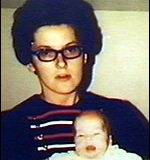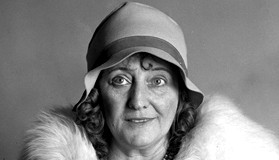




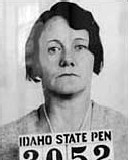
Forensic & Criminological Matrix
| Parameter | Forensic Detail |
|---|---|
| Forensic Heading / Aliases | Dolly, Queen of Los Angeles |
| Legal Identity | Walburga Korschel Oesterreich |
| Confirmed Victims | 1 (Fred Oesterreich) |
| Active Timeline | 1910 - 1922 |
| Jurisdiction / Area of Operations | Milwaukee (Wisconsin) and Los Angeles (California), USA |
| Criminological Classification | Instigator / Bizarre Homicide Case |
| Forensic Modus Operandi | Clandestine confinement of a lover in residential attics; psychological manipulation of the legal spouse leading to a fatal armed confrontation |
| Weapon / Mechanism of Death | Firearms (handgun discharge during physical struggle) |
| Motive / Behavioral Dynamics | Extramarital obsession, prolonged concealment, and dual-control domestic dynamics |
| Judicial Outcome | Tried for homicide in 1922; resulting in hung juries that ultimately prevented a definitive felony conviction due to statutory limitations |
1. Background and Profile
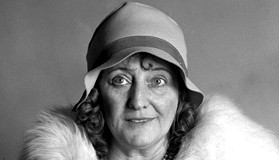
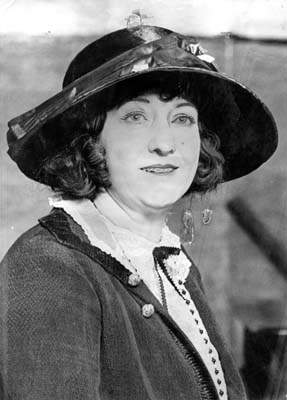
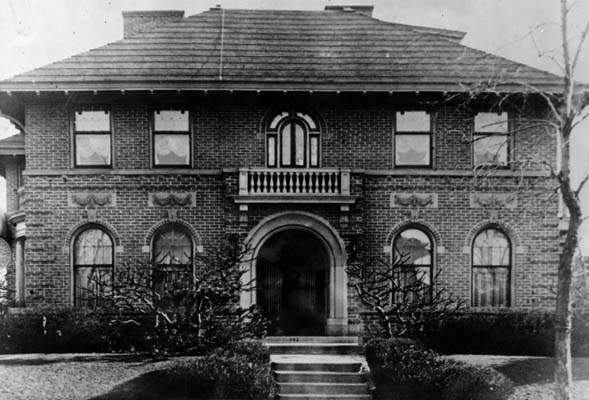
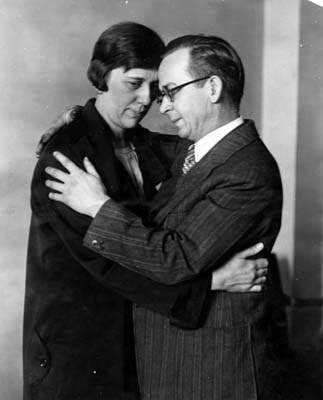
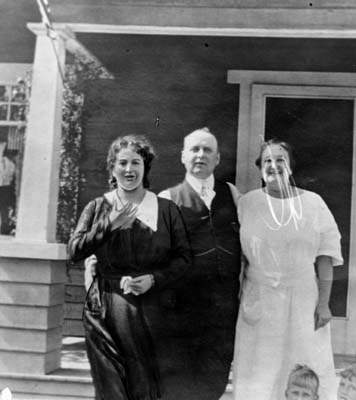
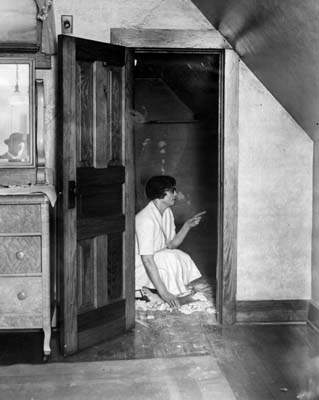
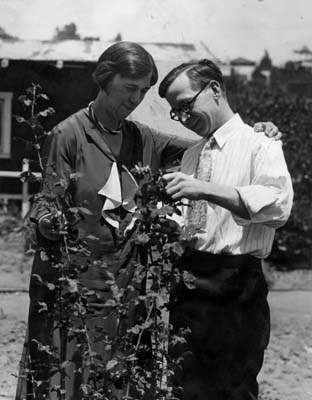
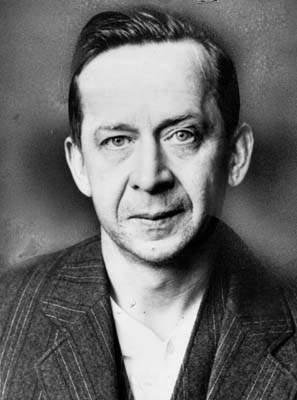
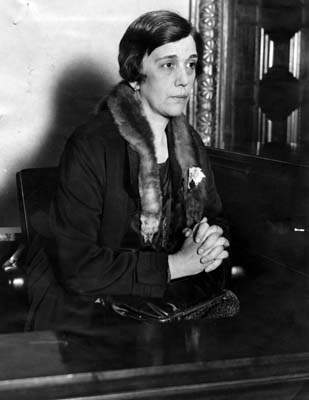
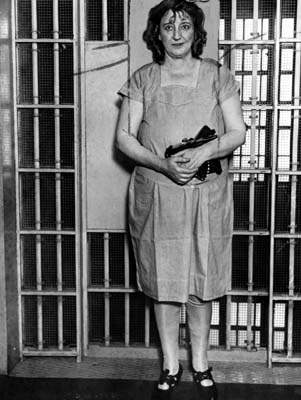
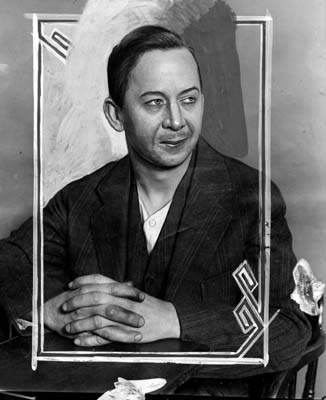
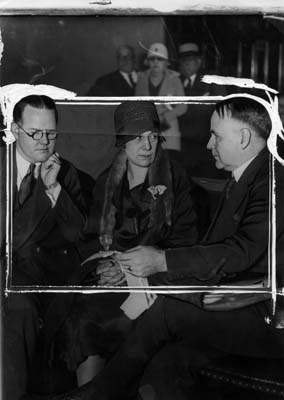
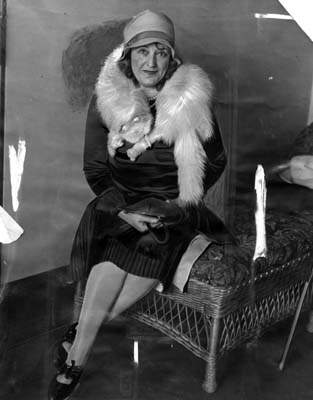
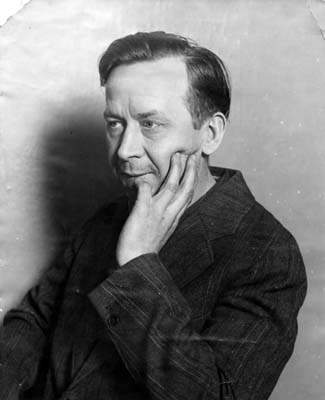
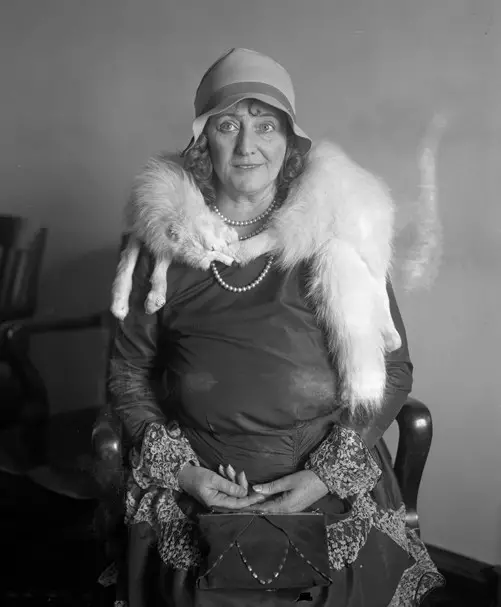
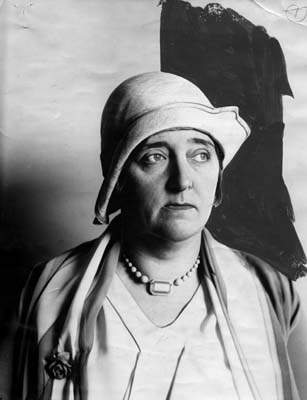
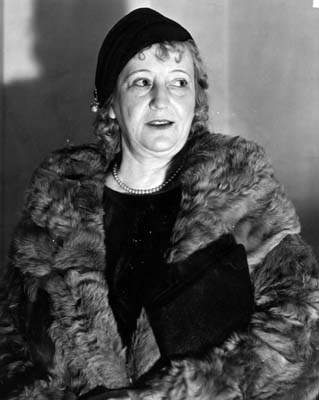
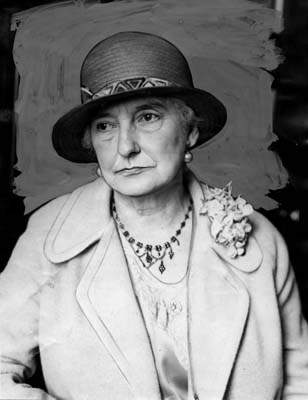
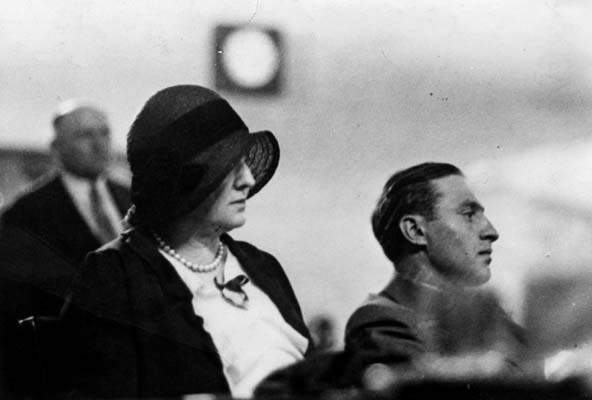
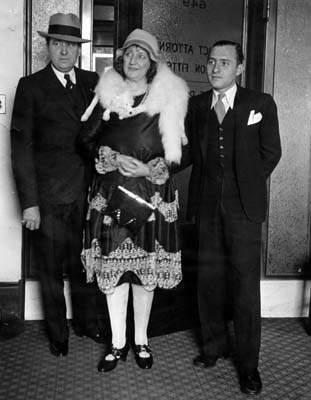
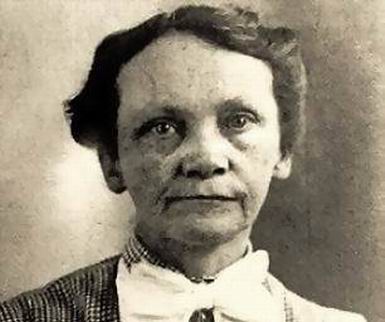
Walburga Oesterreich, widely known as 'Dolly', was the central figure in one of the most bizarre and unprecedented criminal cases in American judicial history. Married to textile manufacturer Fred Oesterreich in Milwaukee, Dolly began a clandestine affair in 1910 with Otto Sanhuber, a young hardware store clerk. To maintain the romance without suspicion, Dolly devised an elaborate scheme: hiding Sanhuber in the attic of her own marital home, a voluntary confinement that would last for over a decade across multiple residences in Wisconsin and California.
2. Criminal Career and Modus Operandi
Dolly's relational modus operandi combined absolute control over her domestic environment with the simulation of conventional married life alongside her husband Fred. During the day, while Fred worked at the factory, Sanhuber descended from the attic to perform household chores, write pulp fiction stories that Dolly typed and marketed, and engage in intimate encounters. The secret was sustained for years through forced complicity, attic padlocks justified as storage for expensive furs, and strict auditory caution by Sanhuber despite living directly above the master bedroom.
3. Investigation and Arrest
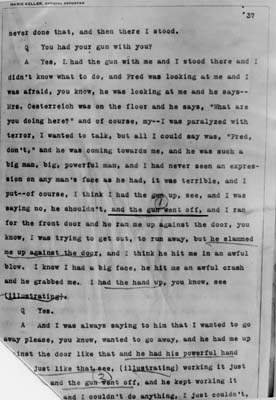
On August 22, 1922, following a heated argument between Fred and Dolly upon returning home from a party in Los Angeles, a violent physical confrontation erupted. Otto Sanhuber, hearing the screams and fearing for Dolly's safety, emerged from the attic armed with a handgun. During the subsequent struggle with Fred Oesterreich, the weapon discharged, killing the husband instantly. Dolly and Sanhuber initially staged a botched robbery, but forensic ballistic analysis and the subsequent discovery of the hidden lodger shattered their alibi, exposing a decade of housing fraud and homicide.
4. Legal Proceedings and Outcome
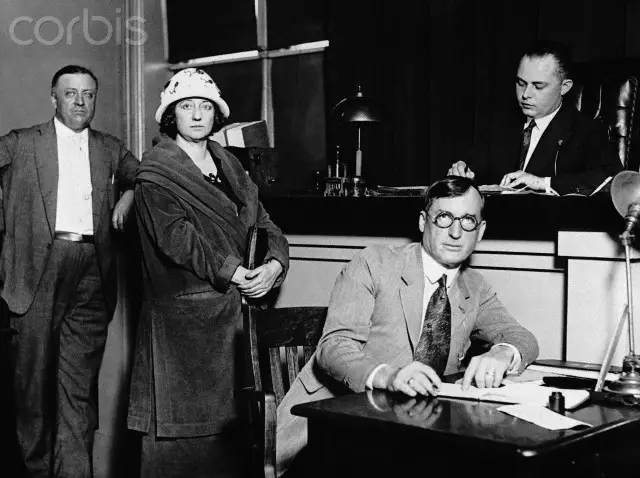
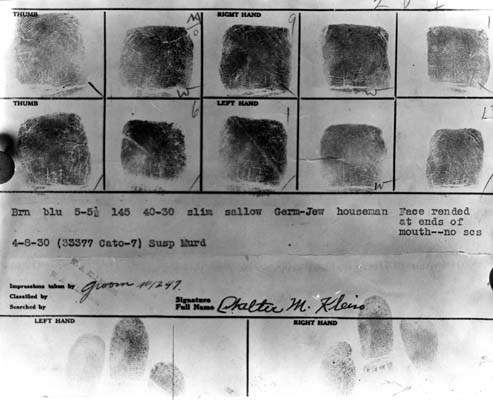
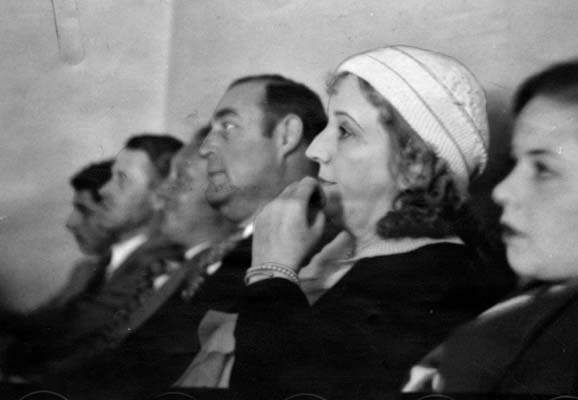
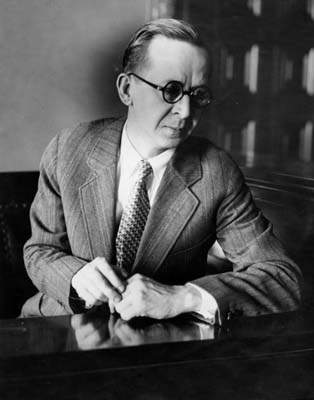
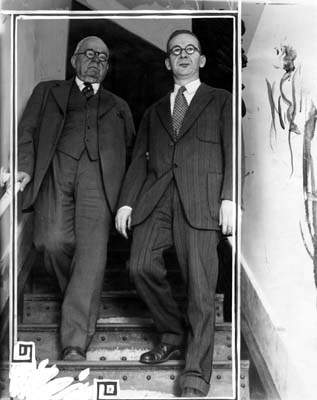
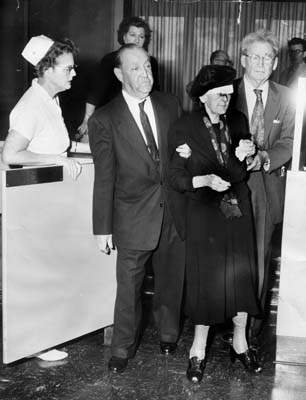
Law enforcement intervention led to the arrest of Otto Sanhuber and subsequently Walburga Oesterreich. Sanhuber confessed to firing the fatal shot in self-defense during the struggle, while Dolly was arrested as an instigator and accomplice. The judicial proceedings were marked by complex trials resulting in hung juries, which prolonged the litigation until statutory limitations and procedural technicalities allowed both to evade a definitive prison sentence, leaving the case legally unresolved regarding formal sentencing while permanently branding Dolly in true crime history.
5. Psychological Evaluation and Aftermath
From a forensic criminological perspective, Walburga Oesterreich's case demonstrates extreme relational manipulation and symbiotic dependency. Dolly exhibited remarkable emotional compartmentalization by cohabitating simultaneously with her legal husband and her concealed lover for over twelve years. Walburga passed away in 1961, having maintained the chilling enigma of her double life until the end of her days.