


CRIMETECATrue Crime Archive
DossiersCasesCompareForumMapStats
/
Sign In
CRIMETECA

The definitive digital archive of True Crime, forensic criminology, and serial killers. Historical preservation of over 7,300 criminal records worldwide.

7,344 Verified Cases•+12,000 Photographs

Navigation

  • Case Dossiers
  • Crime Cases
  • Forensic Statistics
  • Comparador Forense
  • Community & Forum

Documentary Notice

Platform intended for academic research, criminology journalism, and historical preservation. No criminal act is promoted or glorified.

© 2026 Crimeteca. All rights reserved.

Privacy PolicyTerms of UsePress Inquiries
Back to archive
Miyuki Ishikawa
Deceased
Download Dossier (PDF)Discuss in Forum
Forensic Case Timeline

Chronological reconstruction of crimes, breakthrough clues, police capture, and judicial outcome.

1944The CrimeTokio, Japón
Verified Forensic Milestone

Start of criminal activity

Miyuki Ishikawa begins systematically depriving newborns of food at the Kotobuki Maternity Hospital.

Agosto de 1945MilestoneJapón
Verified Forensic Milestone

Surrender of Japan

World War II ends, plunging the country into an economic and demographic crisis.

12 de enero de 1948Clues & BreakthroughsShinjuku, Tokio
Verified Forensic Milestone

Discovery of the bodies

Police discover five infant corpses at a funeral home, linking them to the maternity hospital.

15 de enero de 1948Raid & ArrestShinjuku, Tokio
Verified Forensic Milestone

Arrest of the suspects

Police raid the Kotobuki Maternity Hospital and arrest Miyuki Ishikawa and her husband Takeshi.

1948Trial & SentencingTokio, Japón
Verified Forensic Milestone

Initial sentencing

The Tokyo District Court sentences Ishikawa to 8 years in prison.

1948MilestoneJapón
Verified Forensic Milestone

Enactment of the Eugenic Protection Law

The Japanese government decriminalizes abortion for socioeconomic reasons following the scandal.

1952Trial & SentencingTokio, Japón
Verified Forensic Milestone

Sentence reduction

The Tokyo High Court reduces Ishikawa's sentence to 4 years of imprisonment.

Theater of Operations

Forensic Cartography

35.8277° N, 137.5090° E
Shinjuku, Tokio, Japan
View in Global Crime Map

Biographical & Judicial Report

Criminological Library & BibliographyDocumented Works

Recommended Books on Miyuki Ishikawa

Delve into verified investigative journalism, psychiatric trial evaluations, and archival criminal profiling on this case.

Search Books on Amazon ↗
Crimeteca

Property-rights regimes for sustainable forest management

Miyuki Ishikawa

Amazon Book
🇺🇸 English Edition

Property-rights regimes for sustainable forest management

By Miyuki Ishikawa

Documentary chronicle and investigative biography available in English.

Check on Amazon→
Crimeteca

Shakaigaku

Miyuki Ōhashi

Amazon Book
Edition 1976

Shakaigaku

By Miyuki Ōhashi

Biographical study and forensic investigation archived in the international literature database.

Check on Amazon→
Crimeteca

Artist file 2009

Artist File (2009 Kokuritsu Shin Bijutsukan)

Amazon Book
Edition 2009

Artist file 2009

By Artist File (2009 Kokuritsu Shin Bijutsukan)

Biographical study and forensic investigation archived in the international literature database.

Check on Amazon→
Audible an Amazon CompanyAudible
Audible 30-Day Free Trial

Prefer audiobooks? Try Audible 30 days free

Listen to thousands of true crime podcasts, forensic memoirs, and unabridged audiobooks at no extra cost.

Claim 30-day free trial on Amazon
Cold Case Investigation Game
Real Case
Cold Case Games

Investigate Cold Cases & Mystery Escape Rooms

Experience realistic detective dossiers, crime scene evidence, interrogation transcripts, and forensic files.

Explore detective games on Amazon

Affiliate Disclosure: In accordance with the Amazon Associates Program Operating Agreement, Crimeteca earns from qualifying purchases via affiliate links. This generates no additional cost to the reader and supports the independent preservation and forensic documentation of this criminological archive.

Forensic Community Debate

Theories & Investigation Notes0

Share your hypotheses, crime scene observations or evidence insights with the Crimeteca community.

Add Your Theory / Forensic NotePosting as guest researcher
or log in →
0 / 3000
Loading debate stream...
Perfil Criminológico Comparado

Related Criminological Cases

Similar cases from the historical archive with matching criminal typology, same country, or shared modus operandi.

Junko Ogata
IMPRISONED
7 victims

Junko Ogata

"Junko Ogata"

Compare Criminal
DOSSIER #00244Female KillersChild Killers & Infanticide

Miyuki Ishikawa

Full / Legal Name:Miyuki Ishikawa (石川 ミユキ)

"The Demon Midwife"

Confirmed Victims
103(169 suspected)
GenderFemale
BirthFebruary 5, 1897
DeathMay 30, 1987 (90 years old)
Country / LocationShinjuku, Tokio, Japan
ClassificationFemale Killers
Evidence / Photos
12 Files
Modus Operandi & Traits:Systematic starvation and dehydration of newborn infants abandoned by destitute parents; non-provision of warmth, nutrition, or basic nursing care; fraudulent burials and illegal cremations funded through extortion fees charged to vulnerable mothers.

Documented Victims

Individual forensic victim profiles for this case are currently being cataloged.

Forensic & Criminological Matrix

Parameter Forensic Detail
Full Legal Name Miyuki Ishikawa (石川 ミユキ).
Criminal Moniker The Demon Midwife (Oni-Sanba), The Kotobuki Maternity Hospital Incident.
Criminological Classification Serial infant killer / Homicide by deliberate lethal omission and financial extortion / Institutional post-war child neglect case.
Active Criminal Span 1944 – January 1948.
Geographical Theater Kotobuki Maternity Hospital (Shinjuku, Tokyo, Japan).
Confirmed Victims 103 neonates dead under direct institutional custody (police investigations estimated true casualty figures between 139 and 169 infants).
Convicted Accomplices Takeshi Ishikawa (husband and hospital financial manager) and Dr. Shiro Nakayama (collaborating physician who issued fraudulent death certificates).
Modus Operandi Systematic starvation and dehydration of newborn infants abandoned by destitute parents; non-provision of warmth, nutrition, or basic nursing care; fraudulent burials and illegal cremations funded through extortion fees charged to vulnerable mothers.
Primary Motive Financial gain through unearned custodial and burial fees, rationalized through cold utilitarian ideology amidst post-WWII economic collapse and famine.
Judicial Disposition Sentenced in 1948 by the Tokyo District Court to 8 years' imprisonment; reduced on appeal in 1952 to just 4 years by the Tokyo High Court on grounds of "postwar hardship mitigating circumstances." Considered one of the most disproportionately lenient sentences in criminal history.

Historical Backdrop: The Desolation of Postwar Japan

Following the unconditional surrender of the Empire of Japan in August 1945 and under the Allied occupation overseen by General Douglas MacArthur (SCAP), Japanese urban society faced profound economic ruin. Industrial centers lay devastated by Allied firebombing raids, millions of repatriated soldiers roamed homeless, and stringent food rationing failed to provide subsistence calories.

Amidst severe poverty and near-famine conditions, postwar Japan experienced an unprecedented demographic surge (an early baby boom). With modern contraception unavailable and abortion strictly illegal under the pre-war penal code, thousands of impoverished couples, unmarried mothers, and war widows found themselves utterly incapable of feeding newborn children. Within this climate of domestic despair, midwife Miyuki Ishikawa transformed her obstetrical clinic into a lethal enterprise.


The Kotobuki Maternity Clinic: Systematic Starvation

A decorated graduate of the Tokyo Imperial University obstetrics program, Ishikawa possessed immaculate professional credentials, ascending to directorship of the Kotobuki Maternity Hospital in Tokyo's central Shinjuku ward.

By late 1944, Ishikawa observed an influx of infants abandoned by destitute parents who begged the hospital to facilitate adoptions. Rather than seeking civic or charitable assistance, Ishikawa adopted the calculating premise that these unwanted infants "had no future in a starving nation."

Assisted by her husband, Takeshi Ishikawa, she implemented an extortionate operation:

  1. Upfront Custody Fees: Ishikawa solicited substantial sums (typically 2,000 to 4,000 yen—equivalent to multiple months of average wages) from vulnerable parents under the false pretense of securing comfortable foster placements or reputable adoptions.
  2. Lethal Inanition: Once custody was transferred and funds collected, the newborns were secluded in unheated, neglected wards. Subordinate nursing personnel received strict orders to withhold milk, water, and clothing. Starvation and hypothermia claimed the infants' lives within four to eight days.
  3. Medical Collusion: To avert inquests, Ishikawa engaged Dr. Shiro Nakayama, a neighborhood practitioner who routinely executed falsified death certificates certifying causes such as "infantile pneumonia," "congenital debility," or "prematurity."
  4. Clandestine Disposal: Deceased infants were packed into wooden crates and entrusted to private undertakers or buried in unmarked trenches on temple properties.

Discovery: The Funeral Crates of Waseda

Ishikawa's murderous scheme was unmasked on January 12, 1948, during a routine patrol by two police officers from the Waseda Precinct in Shinjuku. The patrolmen intercepted a bicycle transporting suspicious wooden mortuary boxes near a local crematorium.

Upon opening the crates, the officers uncovered the bodies of five infants wrapped in discarded newspapers. Under rigorous interrogation, the funeral director confessed that he was paid illicit disposal fees by the Kotobuki Maternity Hospital to destroy infant corpses without official paperwork.

Subsequent autopsies conducted at Tokyo Imperial University's forensic institute yielded decisive findings: the infants showed no congenital deformities or fatal natural infections. Their stomachs were entirely vacant and their lungs had collapsed from acute starvation and dehydration.


Investigation, Public Outcry, and Indifference

On January 15, 1948, Tokyo Metropolitan Police raided the Kotobuki Maternity Hospital, arresting Miyuki Ishikawa, her husband Takeshi, and Dr. Shiro Nakayama. Subsequent excavations on temple grounds and mortuary verifications confirmed that at least 103 infants had perished through deliberate deprivation under Ishikawa's supervision.

Throughout her trial, Ishikawa exhibited chilling detachment, maintaining that society had forced her hand:

"These children had no hope. Their parents did not want them and the country could not feed them. I merely spared them a lifetime of misery."


Judicial Outrage and Legislative Legacy

The case horrified postwar Japan, yet the limitations of contemporary statutes—which lacked provisions for corporate serial murder through systemic neglect—benefited the defense. Ishikawa's counsel successfully argued that widespread postwar poverty and parental abandonment bore partial culpability.

In 1948, the Tokyo District Court sentenced Miyuki Ishikawa to 8 years' imprisonment, Takeshi to 4 years, and Dr. Nakayama to 1 year. In 1952, the Tokyo High Court halved Ishikawa's penalty to 4 years, citing mitigating social circumstances.

Following her early release in the mid-1950s, Ishikawa faded from public life. However, the national trauma generated by the Kotobuki Maternity Hospital horrors prompted the Japanese National Diet to enact the landmark Eugenic Protection Act of 1948 (Yūsei Hogo Hō), which legalized abortion under socioeconomic distress guidelines and overhauled national obstetrical regulations.
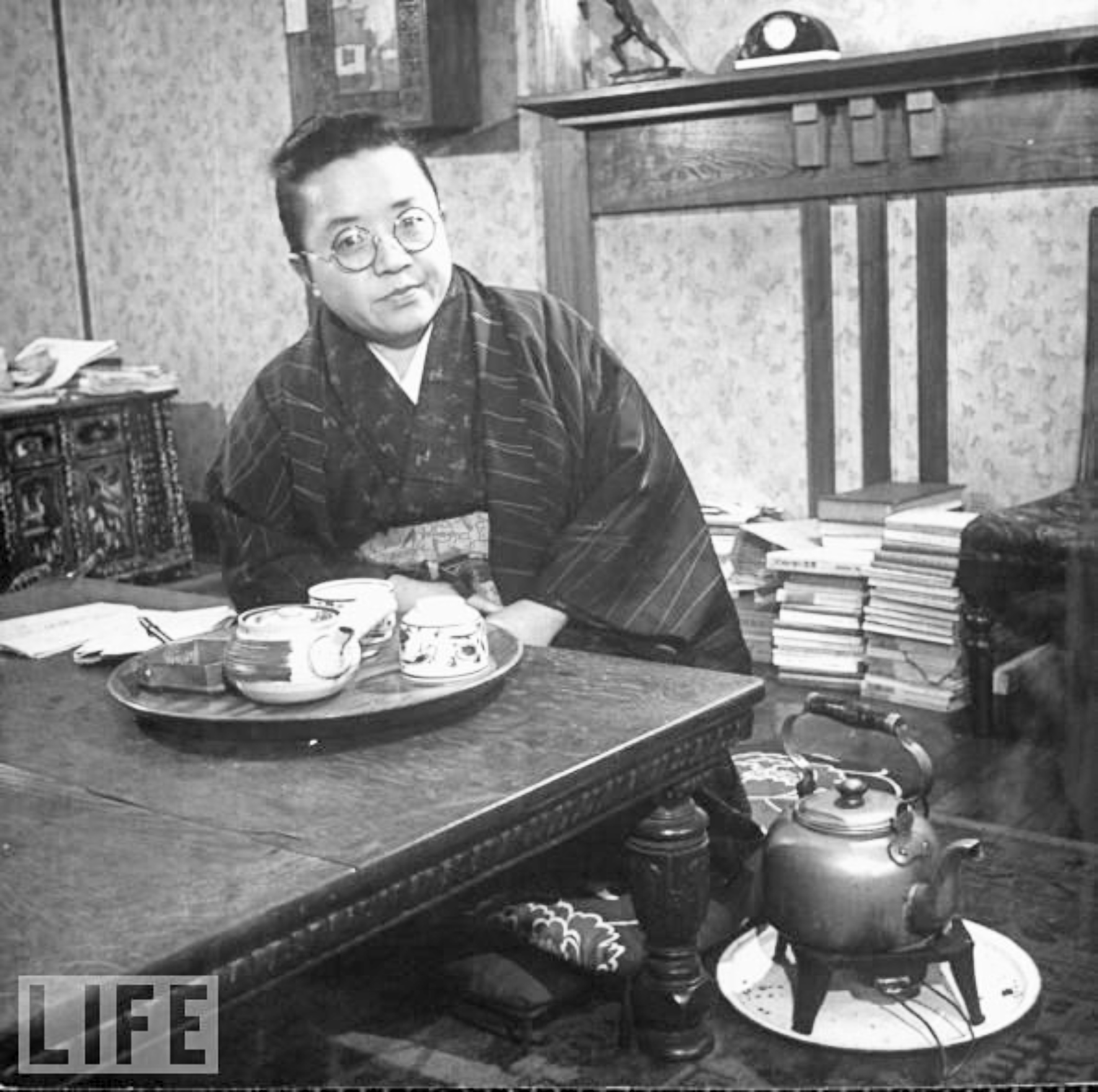
Documentary Gallery

12 Files
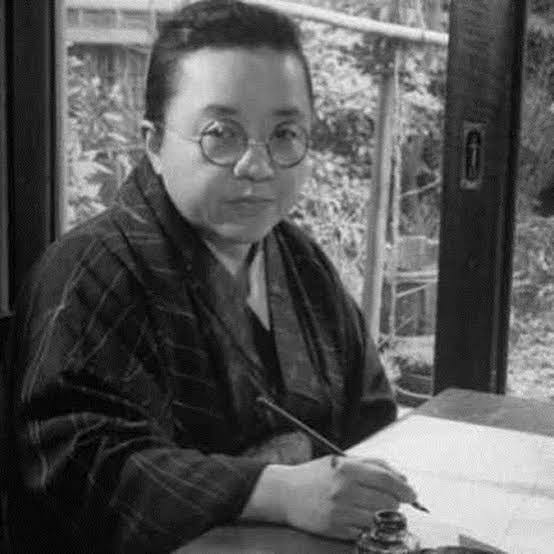
Miyuki Ishikawa
General
Miyuki Ishikawa
General
Miyuki Ishikawa
General
Miyuki Ishikawa
General
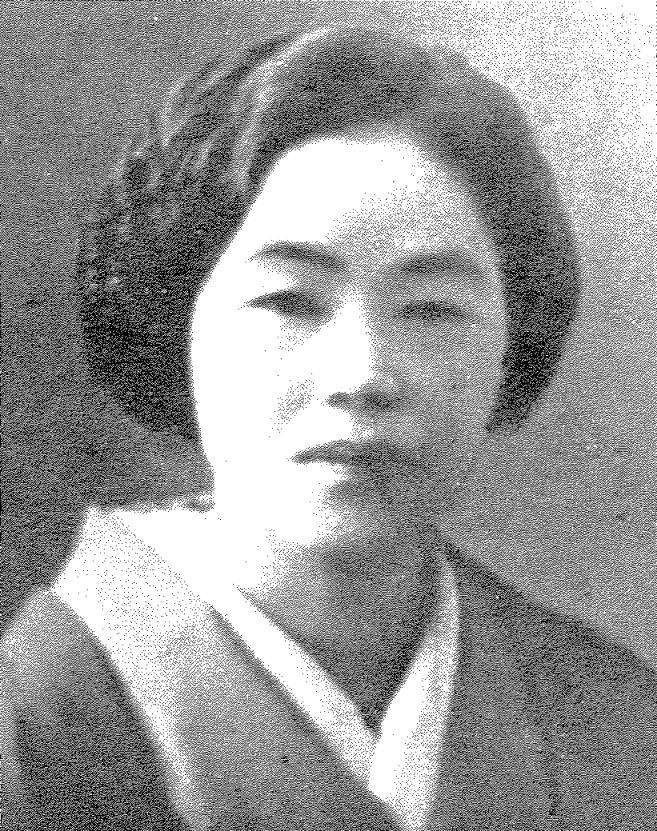
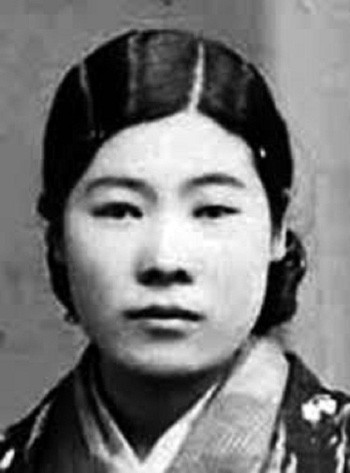
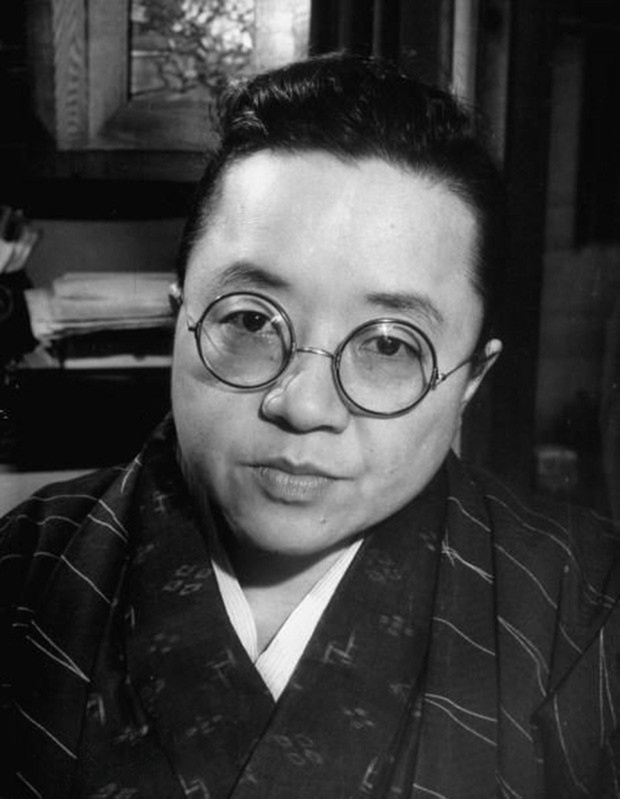
A young Miyuki Ishikawa
General

A young Miyuki Ishikawa

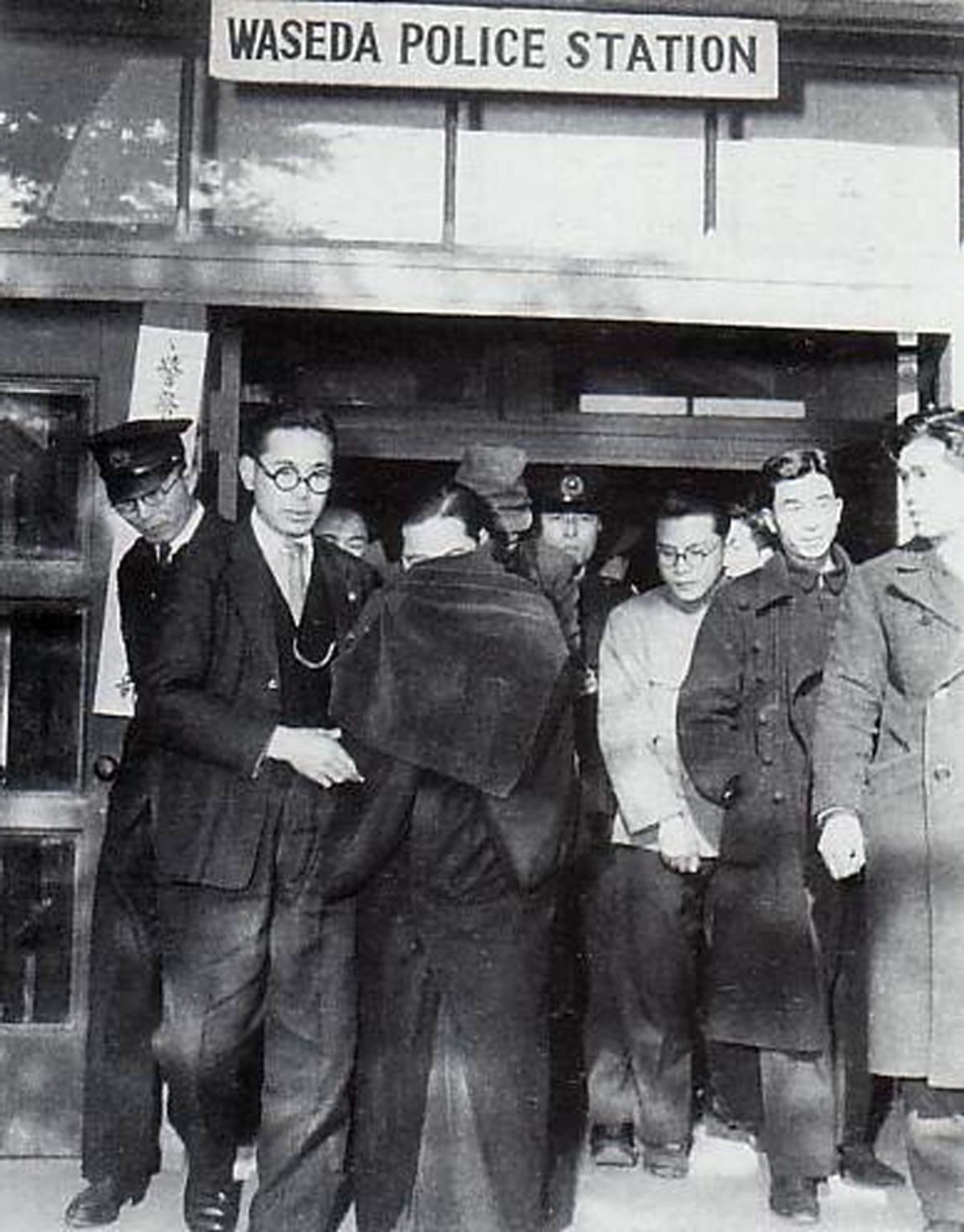
Miyuki Ishikawa, director of the Kotobuki Maternity Hospital in Tokyo during her police arrest in January 1948.
Perpetrator

Miyuki Ishikawa, director of the Kotobuki Maternity Hospital in Tokyo during her police arrest in January 1948.

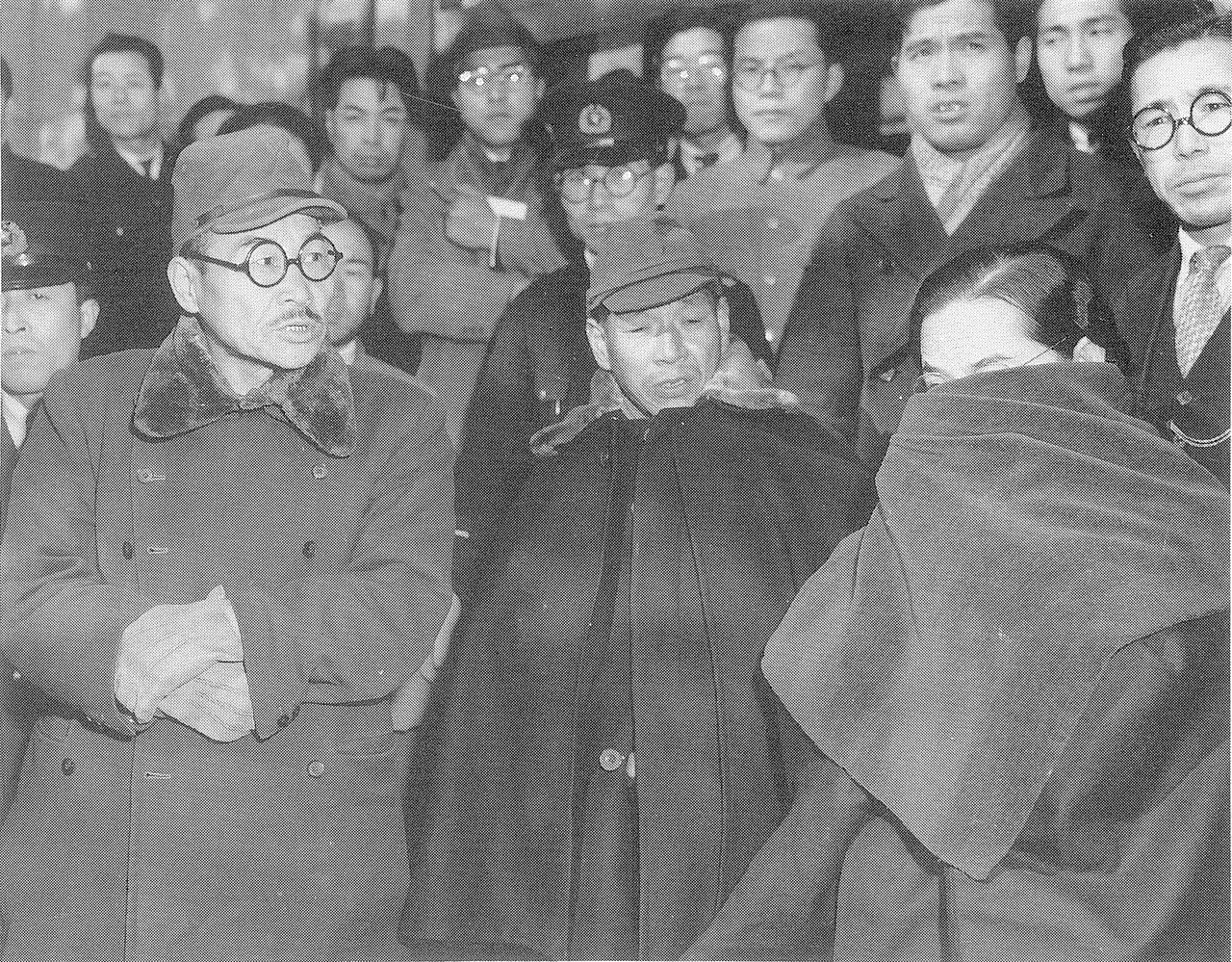
Miyuki Ishikawa (front right) and Takeshi Ishikawa (front left)
General

Miyuki Ishikawa (front right) and Takeshi Ishikawa (front left)

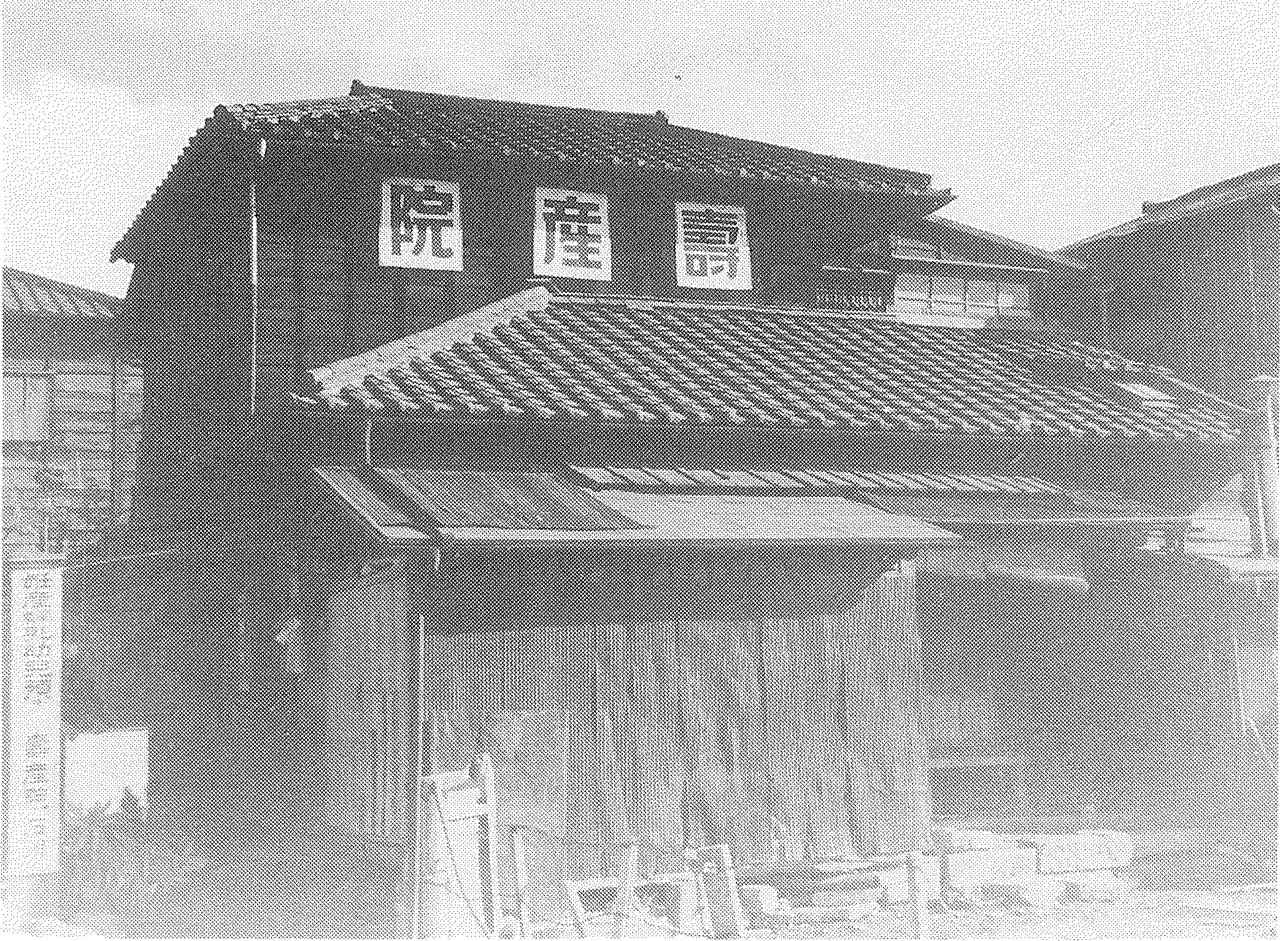
Kotobuki San'in
General

Kotobuki San'in

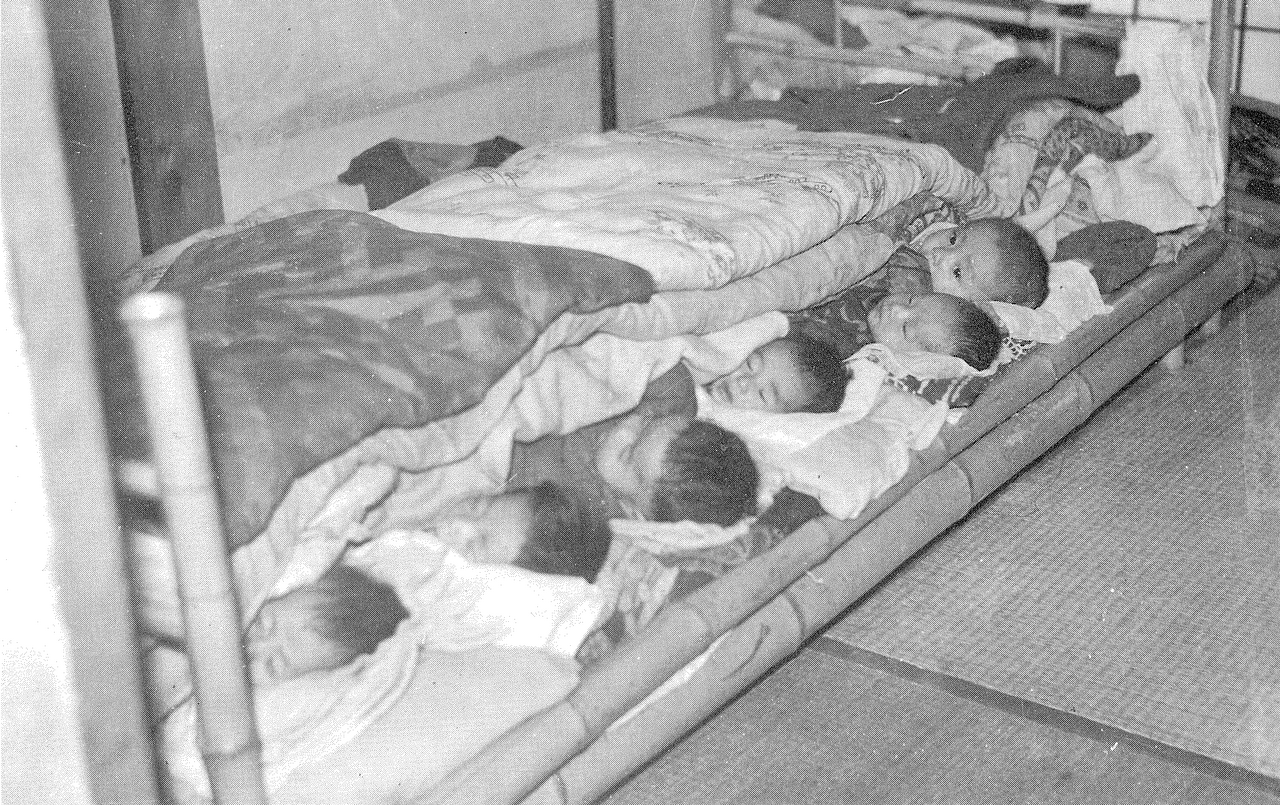
Surviving infants
General

Surviving infants

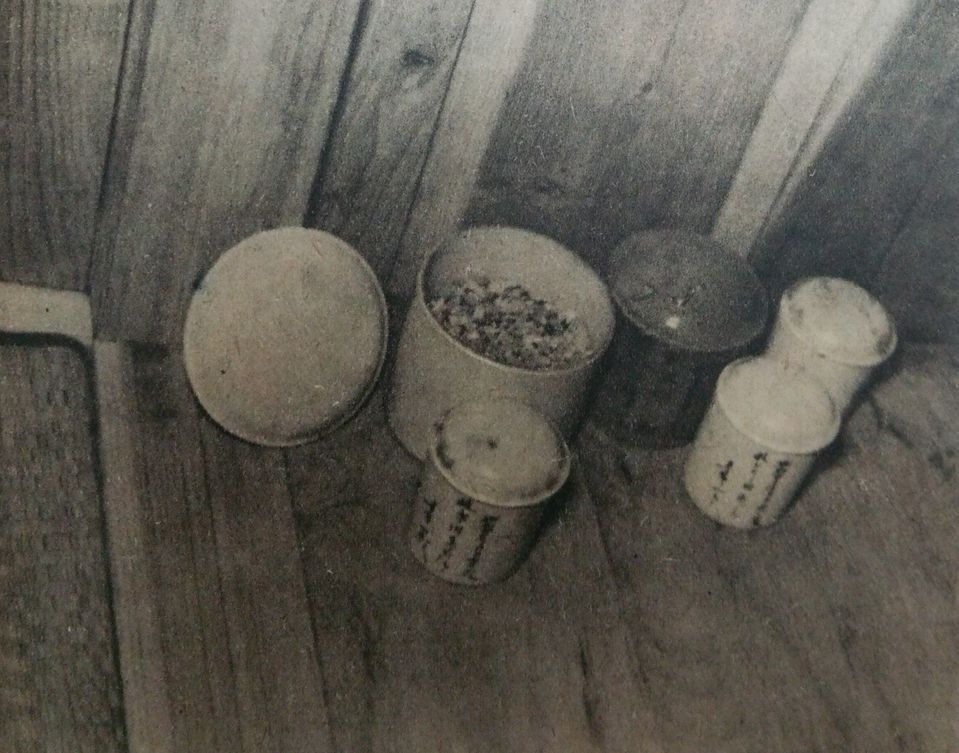
Ashes of an estimated dozen victims
General

Ashes of an estimated dozen victims

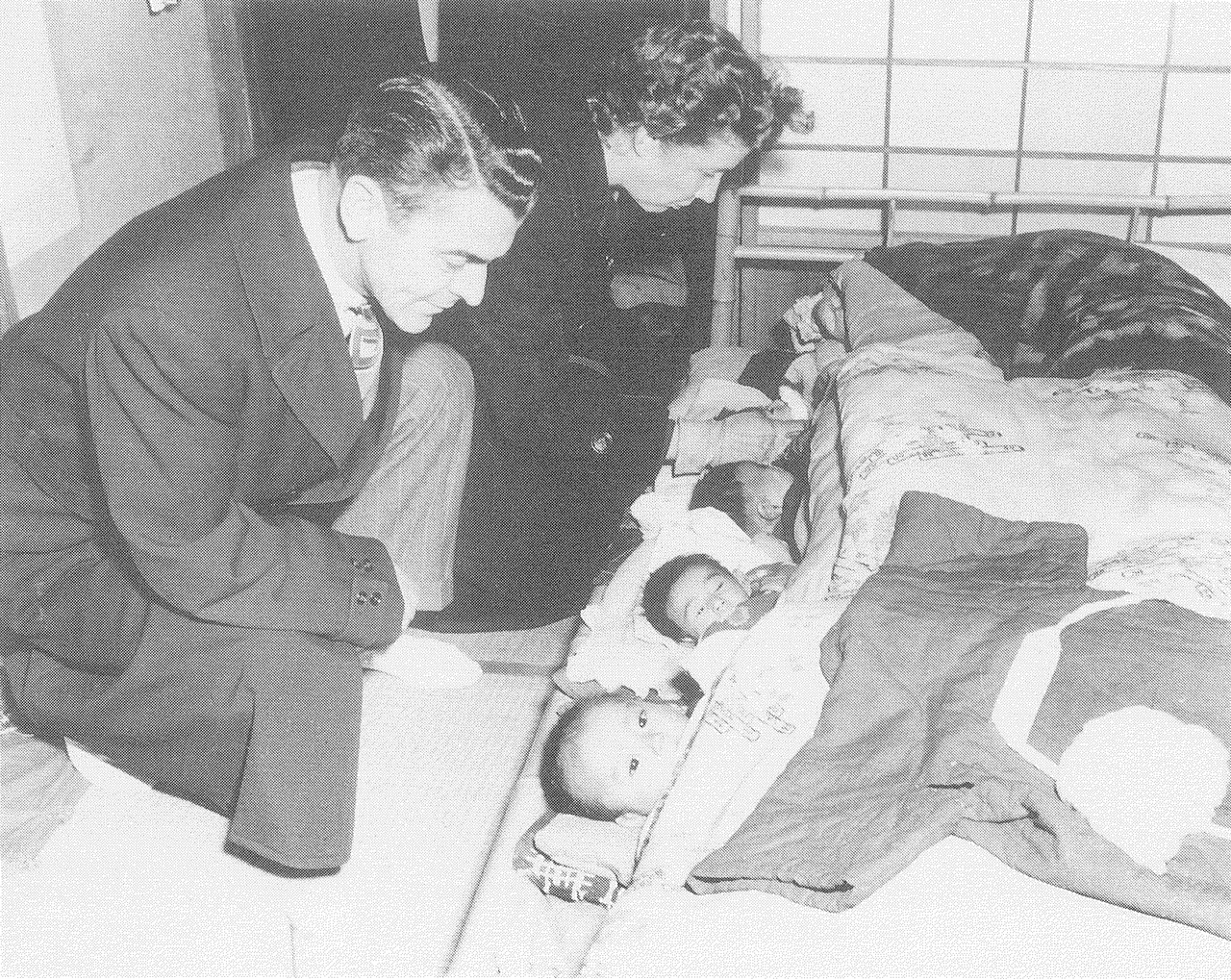
Inspection by PHW and TKMGD officers
General

Inspection by PHW and TKMGD officers

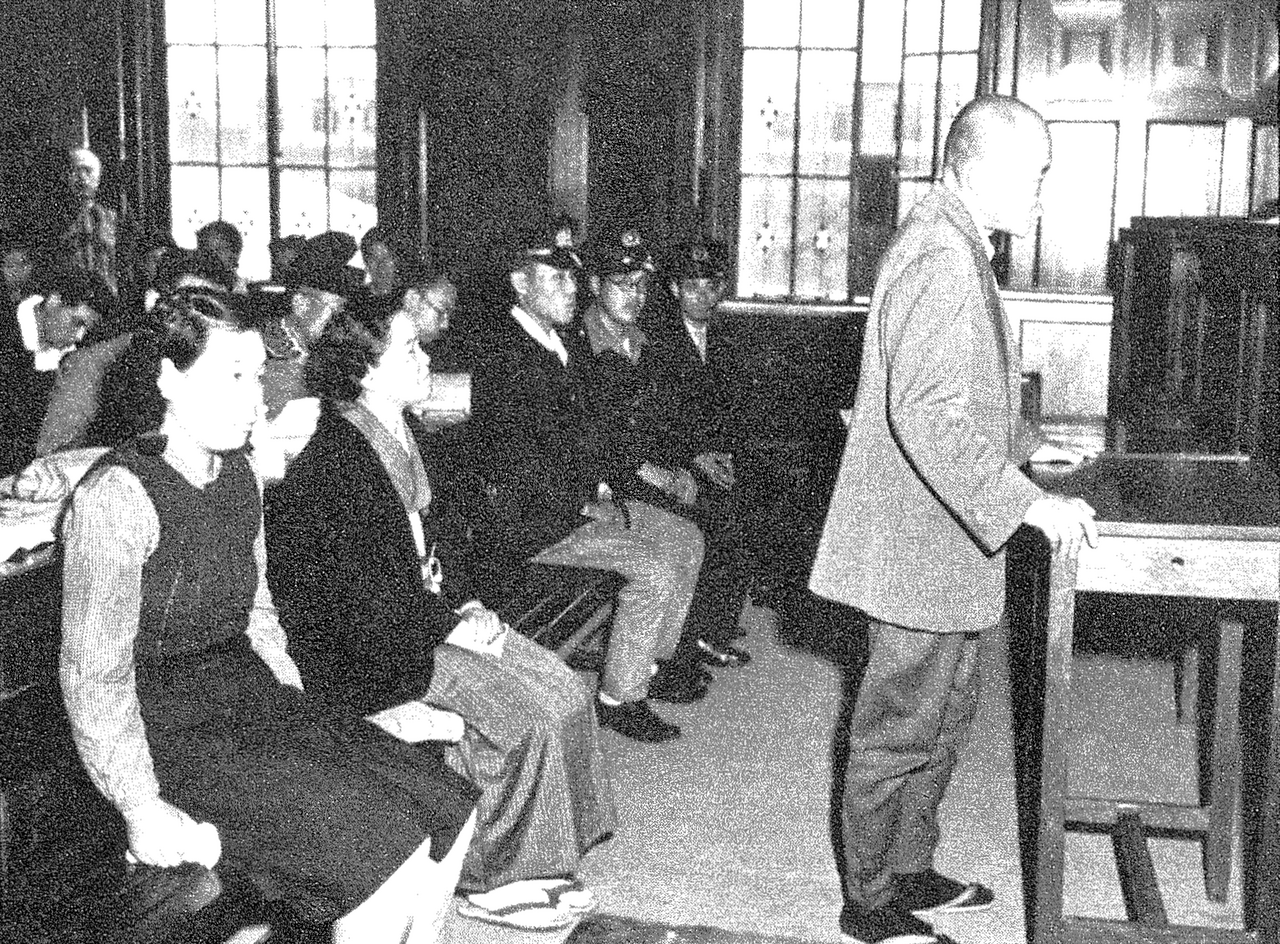
Ishikawa Takeshi, standing and giving a statement, and Ishikawa Miyuki, sitting behind him and wearing Japanese traditional clothes, at the court.
General

Ishikawa Takeshi, standing and giving a statement, and Ishikawa Miyuki, sitting behind him and wearing Japanese traditional clothes, at the court.

Forensic Community

Do you have theories or evidence on this dossier?

Start a public investigation thread on the forum with this dossier automatically attached.

Start forum discussion →
Kitakyushu, Japón
View full dossier →
Masumi Hayashi
IMPRISONED
4 victims

Masumi Hayashi

"La Asesina del Curry"

Wakayama, Japón
View full dossier →
Zheng Yongshan
IMPRISONED
2 victims

Zheng Yongshan

"El doble crimen infantil de Nagahama"

Nagahama, Japón
View full dossier →
Suzuka Hatakeyama
IMPRISONED
2 victims

Suzuka Hatakeyama

"La asesina de Akita"

Fujisato, Japón
View full dossier →