


Forensic & Criminological Matrix
| Parameter | Forensic Detail |
|---|---|
| Forensic Heading / Aliases | Suzuka Hatakeyama |
| Legal Identity | Suzuka Hatakeyama |
| Confirmed Victims | 2 |
| Active Timeline | 2006 |
| Jurisdiction / Area of Operations | Akita Prefecture, Japan |
| Criminological Classification | Multiple / Family Homicides |
| Forensic Modus Operandi | Murder of vulnerable minors in close proximity using asphyxiation, followed by attempts to misdirect investigators |
| Weapon / Mechanism of Death | Strangulation / Mechanical Asphyxiation |
| Motive / Behavioral Dynamics | Personality disorders, attention-seeking behavior, and relational instability |
| Judicial Outcome | Imprisoned with a long-term sentence |
1. Background and Psychopathy
Suzuka Hatakeyama was born in 1973 in Akita Prefecture, Japan. Prior to her crimes, she lived an outwardly ordinary life that masked severe psychological turbulence. Forensic evaluations later highlighted personality disorders characterized by profound emotional instability, attention-seeking tendencies, and manipulative behavioral patterns within her community.
2. Crime Spree
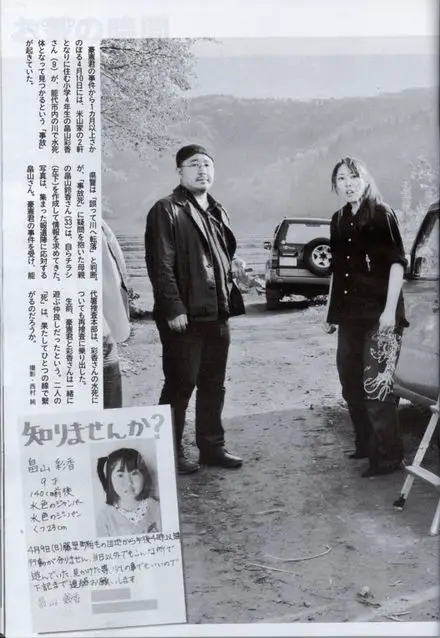
Hatakeyama gained notoriety following the shocking murders in Fujisato, Akita Prefecture. Her crimes included the tragic death of her own daughter and a young neighborhood boy. Her modus operandi involved exploiting the vulnerability of children under her proximity, utilizing manual or mechanical asphyxiation, and subsequently feigning grief to deflect suspicion.
3. Police Investigation and Forensic Hunt
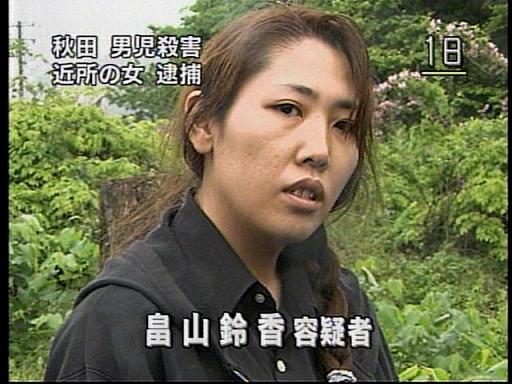
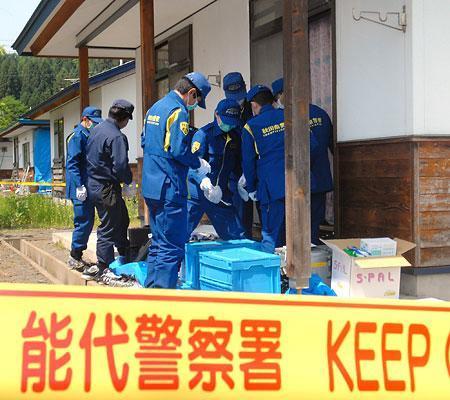
Japanese law enforcement launched an intensive investigation following the consecutive tragedies in Akita. Discrepancies in Hatakeyama's statements, behavioral anomalies during public appeals, and forensic analysis of physical evidence ultimately directed investigators toward her as the primary suspect, dismantling her initial narratives.
4. Legal Proceedings and Outcome
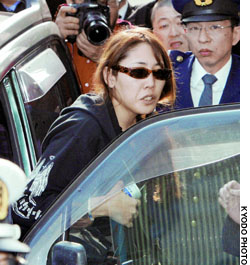
Following her arrest, Hatakeyama underwent rigorous police interrogation and psychiatric evaluations. The Japanese judicial system processed the evidence comprehensively, leading to her formal conviction and a severe custodial sentence, ensuring her confinement in a secure correctional facility.
5. Psychiatric Evaluation and Conclusion
Forensic psychiatrists determined that while Hatakeyama exhibited significant personality disturbances and impulse control issues, she possessed full criminal responsibility. The case remains a dark milestone in Japanese criminological studies regarding domestic violence and filicide.