




Forensic & Criminological Matrix
| Parameter | Forensic Detail |
|---|---|
| Full Legal Name | Zheng Yongshan (郑永善) |
| Japanese Legal Identity | Mie Taniguchi (谷口三重) |
| Media / Judicial Epithet | The Nagahama Kindergarten Children Murders |
| Date of Birth | February 12, 1972 |
| Place of Birth | People's Republic of China |
| Crime Scene Location | Nagahama, Shiga Prefecture, Japan |
| Date of Crime | February 17, 2006 |
| Procedural Status | Serving life imprisonment (muki chōeki) after court recognized diminished responsibility due to schizophrenia |
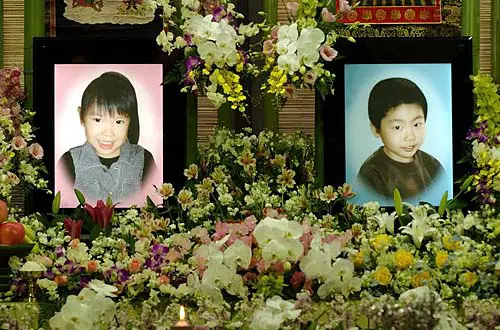
| Fatal Victims | 2 (Wakana Taketomo, 5 years old; Jin Sano, 5 years old) |
| Criminological Classification | Acute psychotic double infanticide / Knife attack during school transit |
| Weapon Utilized | Traditional Japanese fish-slicing knife (sashimi bōchō), 20 cm blade |
| Forensic Diagnosis | Paranoid schizophrenia with significantly impaired cognitive capacity |
Criminological Profile & Background
Zheng Yongshan, a native of China, immigrated to Japan after marrying a Japanese citizen, registering under the legal name Mie Taniguchi and settling in the city of Nagahama, Shiga Prefecture. The mother of a young preschooler, Zheng participated in a reciprocal carpool arrangement with neighborhood mothers to transport children to their local kindergarten.
In the months preceding the tragedy, Zheng experienced profound social isolation exacerbated by linguistic barriers, cultural dissonance, and the stealthy onset of severe psychotic pathology. Neighbors and family members observed escalating withdrawal, erratic speech, and persecutory assertions that local community members were watching, whispering about, or plotting against her.
Subsequent court-ordered clinical evaluations verified that Zheng was suffering from unmedicated paranoid schizophrenia, severely eroding her capacity to test reality.
The February 17, 2006 Double Homicide
On the morning of February 17, 2006, Zheng was responsible for driving the school run. She collected her daughter and two five-year-old classmates: Wakana Taketomo and Jin Sano.
Instead of driving to the kindergarten, Zheng diverted the car into secluded agricultural fields outside Nagahama. Armed with an eight-inch (20 cm) single-edged sashimi knife brought from her kitchen, she launched a frenzied assault inside the car:
- She stabbed five-year-old Wakana Taketomo 19 times across the chest and back.
- She stabbed five-year-old Jin Sano 13 times in the neck, thorax, and abdomen.
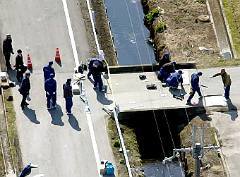
Following the stabbings, Zheng discarded Wakana's body onto the asphalt of a rural farm road and dropped Jin into a nearby concrete irrigation ditch before fleeing the area in her automobile. Passing motorists discovered the victims within minutes; both children were rushed to emergency surgery but succumbed to massive exanguination.
Apprehension, Psychiatric Evaluation, and Sentencing
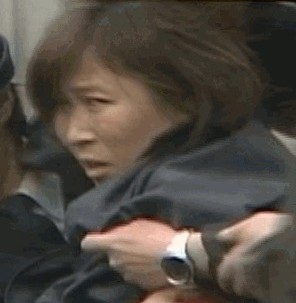
Roughly two hours later, Shiga Prefectural Police located Zheng sitting inside her idling car parked alongside a highway in neighboring Maibara. Her clothes were heavily bloodstained, and the murder weapon lay on the passenger seat.
At trial before the Otsu District Court, prosecutors sought the death penalty given the extreme vulnerability of the victims. However, extensive psychiatric assessments conducted by multiple medical experts concluded that Zheng operated under active persecutory delusions and psychotic hallucinations, legally constituting diminished responsibility under Article 39 of the Penal Code of Japan.
The court rejected capital punishment on diminished-capacity grounds, sentencing Zheng Yongshan to life imprisonment (muki chōeki) on October 16, 2007. The conviction and sentence were upheld by the Osaka High Court and finalized by the Supreme Court of Japan, committing her to psychiatric correctional custody.