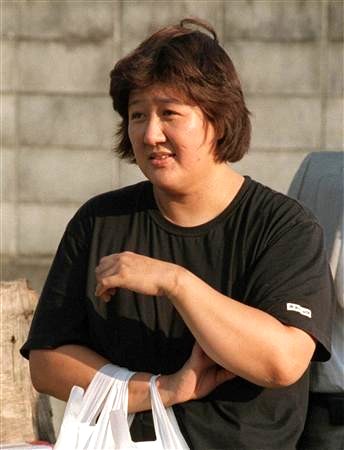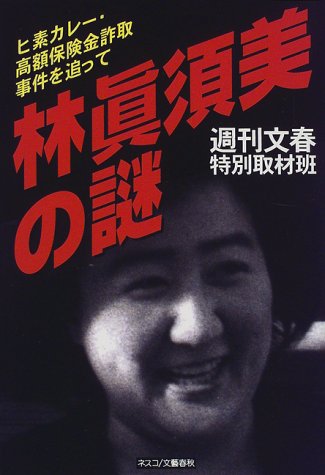




Forensic & Criminological Matrix
| Parameter | Forensic Detail |
|---|---|
| Forensic Heading / Aliases | Masumi Hayashi / The Curry Killer |
| Legal Identity | Masumi Hayashi |
| Confirmed Victims | 4 deceased, 63 intoxicated |
| Active Timeline | July 25, 1998 |
| Jurisdiction / Area of Operations | Sonobe, Wakayama Prefecture, Japan |
| Criminological Classification | Mass poisoner / Serial offender |
| Forensic Modus Operandi | Introduction of lethal amounts of arsenic trioxide into a communal curry pot during a local neighborhood festival |
| Weapon / Mechanism of Death | Arsenic trioxide poisoning |
| Motive / Behavioral Dynamics | Community hostility, neighborhood grievances, and insurance fraud schemes |
| Judicial Outcome | Sentenced to death in 2002; sentence pending execution |
1. Background and Psychopathy
Masumi Hayashi was born in Japan in 1961. Prior to her infamous crimes, her life was characterized by financial misconduct, insurance fraud, and contentious relationships with her neighbors. Married to Kenji Hayashi, a former insurance agent with a history of fraudulent claims, the couple accumulated substantial sums of money through fabricated accident schemes.
2. Crime Spree
On July 25, 1998, during a summer community festival in the Sonobe district of Wakayama City, a large pot of traditional curry was prepared for local residents. Masumi Hayashi seized an opportunity to contaminate the stew with arsenic trioxide. The highly toxic substance caused the acute poisoning and rapid death of four individuals—including two children—while sickening 63 others.
3. Investigation and Forensic Hunt
Forensic and toxicological investigations by Japanese authorities swiftly identified massive concentrations of arsenic in both the food remnants and the biological samples of the victims. Evidence quickly pointed toward individuals with access to the cooking area. Investigators discovered that Hayashi routinely possessed arsenic for pest control and past fraud schemes, and toxicological traces were found on her hair and belongings.
4. Legal Proceedings and Outcome
Masumi Hayashi was arrested on September 30, 1998. Throughout the judicial proceedings, she maintained a defiant silence or outright denial, despite overwhelming forensic evidence. In December 2002, the Wakayama District Court sentenced her to death by hanging, a ruling subsequently upheld by higher appellate courts.
5. Psychiatric Evaluation and Conclusion
Forensic psychiatrists found no major mental disorders that would impair her legal responsibility, describing her as cold, calculating, and exhibiting profound disregard for human life. Hayashi remains incarcerated on death row, awaiting execution within the Japanese penal system.