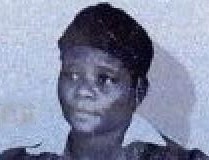




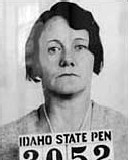
Forensic & Criminological Matrix
| Parameter | Forensic Detail |
|---|---|
| Forensic Heading / Aliases | Ruby McCollum |
| Legal Identity | Ruby Jackson McCollum |
| Confirmed Victims | 1 (Dr. C. Leroy Adams) |
| Active Timeline | August 3, 1952 |
| Jurisdiction / Area of Operations | Live Oak, Florida, USA |
| Criminological Classification | Interpersonal homicide under systemic oppression |
| Forensic Modus Operandi | Direct firearm confrontation in a local establishment |
| Weapon / Mechanism of Death | Handgun / Firearm discharge |
| Motive / Behavioral Dynamics | Systemic abuse, forced relations, and racial-political power dynamics in the segregated South |
| Judicial Outcome | Initially sentenced to death; conviction overturned on appeal; subsequently institutionalized until release and death in 1992 |
1. Background and Psychopathy
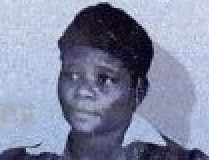
Ruby McCollum was born in 1909 into a wealthy African American family in Suwannee County, Florida. She was married to Albert McCollum, a prominent local businessman involved in numbers running and agriculture. Their considerable wealth during the Jim Crow era placed Ruby at the intersection of economic stability and extreme racial vulnerability within a deeply segregated society.
2. Crime Spree
On August 3, 1952, Ruby McCollum confronted Dr. C. Leroy Adams—a powerful white physician and newly elected state senator—at a pharmacy in Live Oak, Florida. Following a verbal altercation, McCollum shot Adams multiple times, resulting in his immediate death. The event reflected an acute breakdown of a coercive and prolonged interpersonal conflict.
3. Investigation and Forensic Pursuit
Law enforcement intervention was immediate due to the victim's prominent status. McCollum offered no resistance and was apprehended at the scene alongside the murder weapon. Preliminary investigations quickly gathered evidence pointing to a turbulent, multi-layered relationship between the accused and the victim involving complex social and racial tensions.
4. Legal Proceedings and Outcome
McCollum's trial became a landmark legal case highlighting racial and gender dynamics in the American South. During her testimony, Ruby stated that Adams had subjected her to forced sexual relations, fathered her youngest child, and subjected her to abuse. The presiding judge restricted her testimony regarding these claims. An all-white male jury found her guilty of first-degree murder and sentenced her to death in late 1952.
5. Psychiatric Evaluation and Final Resolution
The initial death sentence was successfully appealed due to judicial errors, and a new trial was ordered. McCollum was subsequently evaluated, found mentally incompetent to stand trial, and committed to the Florida State Hospital. After decades of institutionalization, she was released on bond in 1974 following renewed legal advocacy. She lived quietly until her death in 1992.