


Forensic & Criminological Matrix
| Parameter | Forensic Detail |
|---|---|
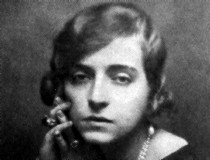
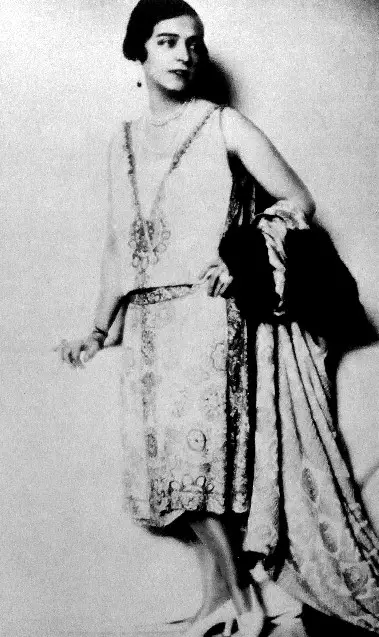
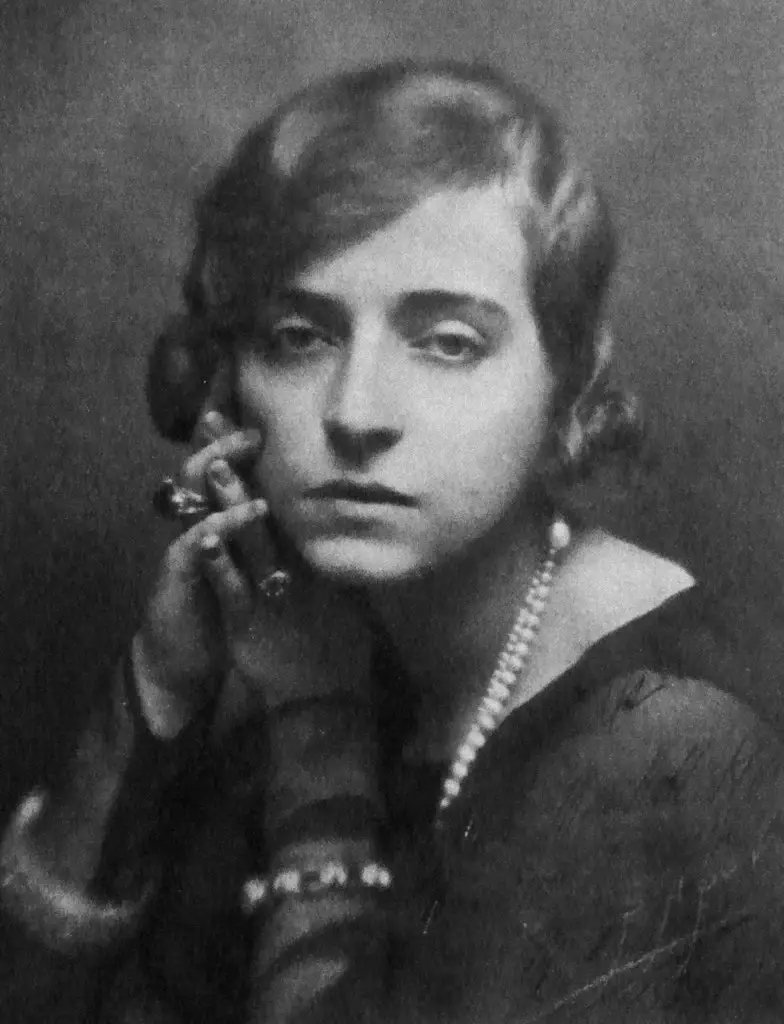
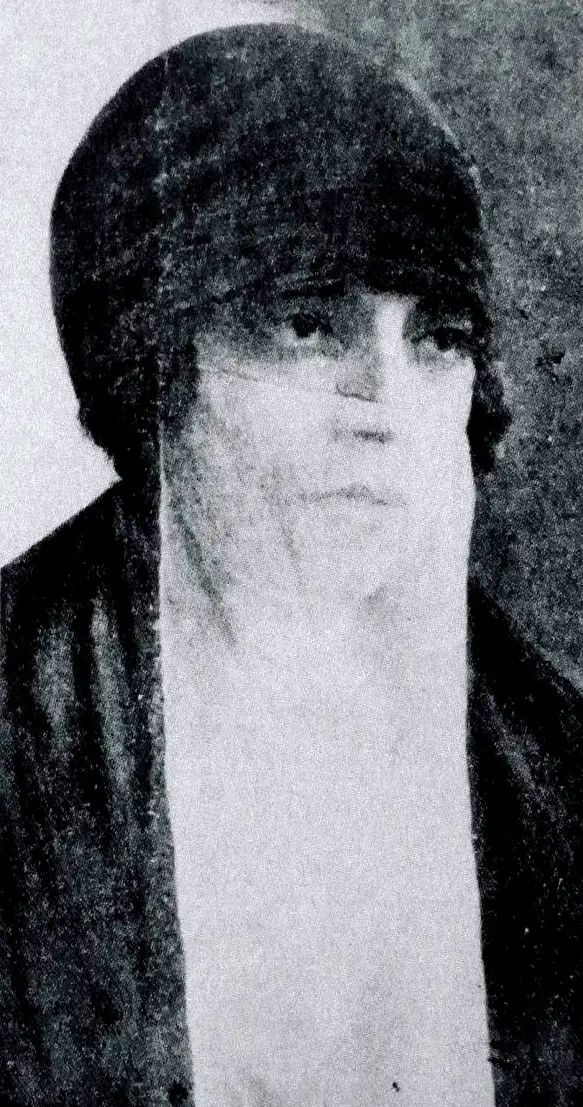
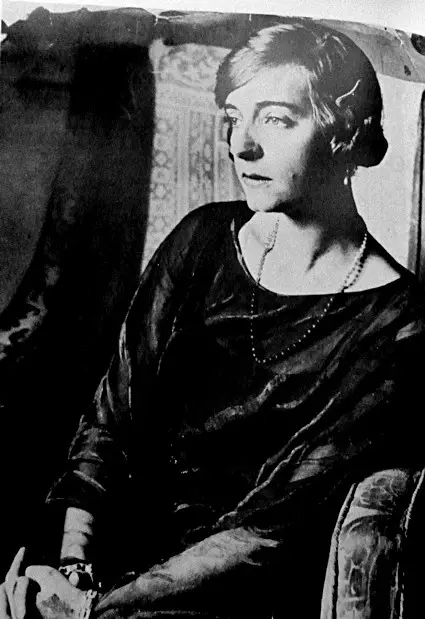
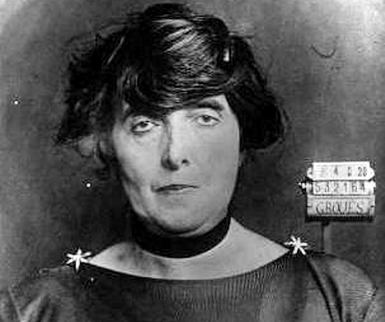
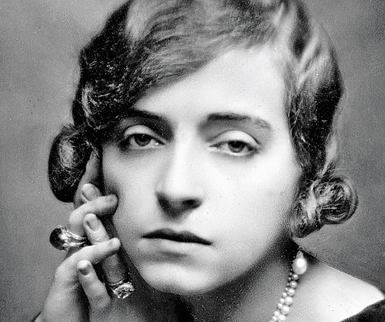
| Full Legal Name | Marguerite Marie Alibert (subsequently Madame / Princess Fahmy Bey). |
| Historic Case Title | The Murder at the Savoy (1923). |
| Criminological Typology | Domestic firearm homicide / Aristocratic high-society scandal and geopolitical acquittal. |
| Date of Crime | July 10, 1923 (approx. 2:30 AM). |
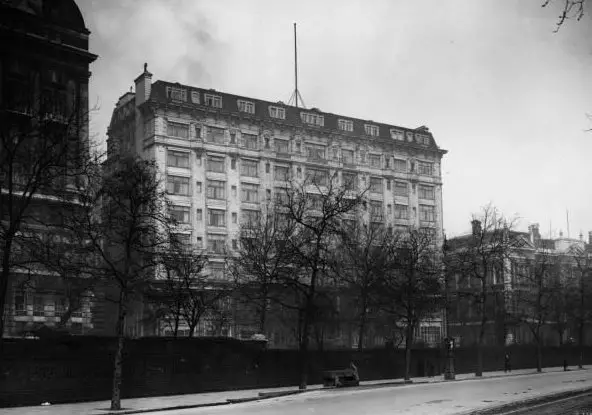
| Crime Scene | Corridor outside Suite 41, The Savoy Hotel, The Strand, London, United Kingdom. |
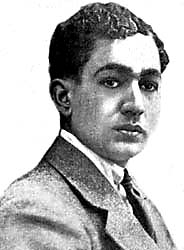
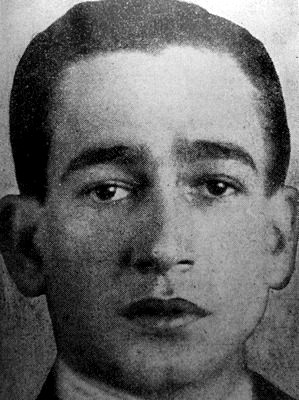
| Fatal Victim | Prince Ali Kamel Fahmy Bey (aged 22), wealthy Egyptian diplomat and multimillionaire playboy. |
| Weapon | FN Browning Model 1910 semi-automatic pistol chambered in .32 ACP (7.65 mm). |
| Defense Counsel | Renowned British barrister Sir Edward Marshall Hall KC. |
| Verdict | Found Not Guilty of murder and manslaughter following a legendary defense. Died of natural causes in Paris on January 2, 1971, at age 80. |
The Courtesan and the Prince of Wales
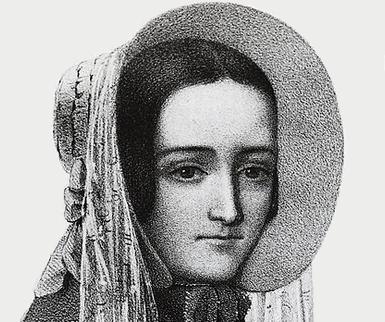
Marguerite Alibert was born in Paris on December 9, 1890, into working-class poverty. Gifted with striking allure and sophistication, she ascended rapidly into the highest echelons of Parisian demimonde society as an elite courtesan.
In 1917, during World War I, she engaged in a passionate, secret romance with Edward, Prince of Wales (the future King Edward VIII and Duke of Windsor). The heir to the British throne sent her indiscreet, deeply compromising love letters. Alibert astutely preserved these epistolary documents as a permanent shield of political blackmail.
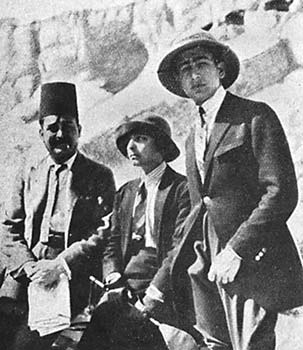
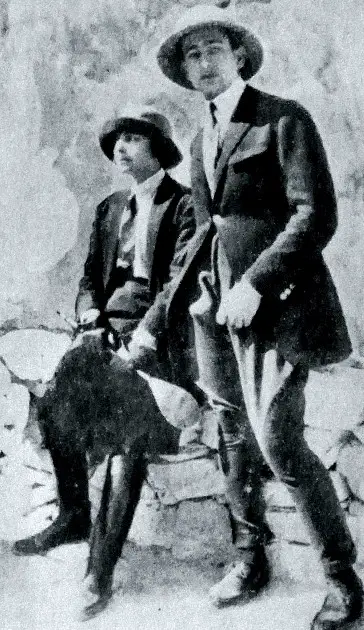
In 1922, while traveling in Egypt, she met Prince Ali Kamel Fahmy Bey, an enormously wealthy 22-year-old Egyptian agricultural heir and foreign attaché. They married in Paris in December 1922. The union quickly deteriorated into physical violence, extreme confinement, and allegations of coerced sexual sodomy.
The Midnight Gunfire at the Savoy (July 1923)
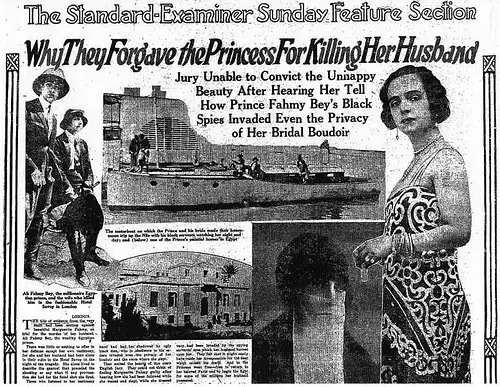
In July 1923, the couple took residence in the luxurious fourth-floor Suite 41 at London's iconic Savoy Hotel. Their violent domestic altercations repeatedly disturbed neighboring patrons.
In the early morning hours of July 10, 1923, amid a deafening London thunderstorm, a ferocious quarrel erupted. At approximately 2:30 AM, Marguerite stepped into the carpeted corridor. As Prince Fahmy advanced toward her, Marguerite produced a loaded .32 FN Browning automatic and fired three bullets point-blank into his neck and back.
Savoy night staff rushed to the scene to find Fahmy mortally wounded and Marguerite dropping the smoking gun, sobbing in French: "What have I done? I shot my husband!" Fahmy died shortly after arrival at Charing Cross Hospital.
Sir Edward Marshall Hall's Masterpiece
The September 1923 trial at the Old Bailey captivated international high society. Behind the courtroom drama loomed a grave crisis for the British Royal Family: had the prosecution pressed Marguerite too aggressively, her defense was prepared to unveil the Prince of Wales's intimate letters to the global press. Crown authorities tacitly sought an expedient, quiet resolution.
Her counsel, Sir Edward Marshall Hall, delivered one of the most famous performances in British legal history. He appealed unabashedly to prevailing Western colonial and racial prejudices, framing Marguerite as an innocent French woman defending herself against "exotic Oriental barbarism and perversion." He also staged an elaborate technical demonstration arguing that the pistol's safety catch was inherently prone to accidental discharge under duress.
Acquittal and Secrecy
The all-male jury deliberated for only ninety minutes before returning a verdict of Not Guilty on both murder and manslaughter.
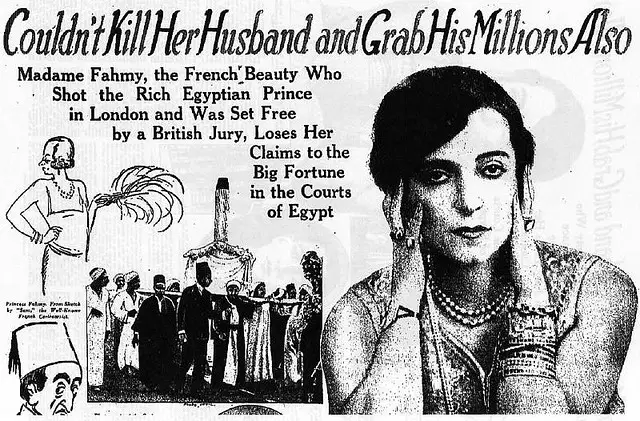
Marguerite was immediately freed. Returning to France, she was barred from claiming Fahmy's vast estate by Egyptian religious courts. She lived in quiet luxury overlooking the Bois de Boulogne until her death in 1971 at age 80. The full geopolitical and royal dimensions of the Savoy murder trial remained hidden in sealed state archives for half a century.