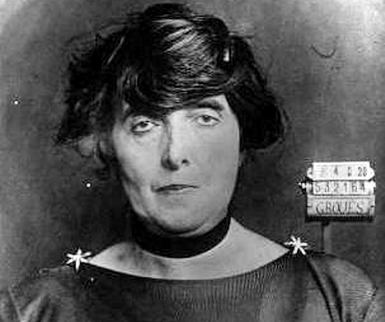




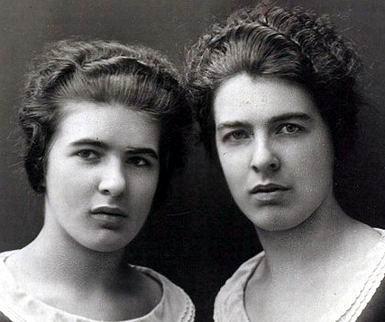
Forensic & Criminological Matrix
| Parameter | Forensic Detail |
|---|---|
| Forensic Heading / Aliases | null |
| Legal Identity | Hera Myrtel |
| Confirmed Victims | 1 |
| Attributed / Indicted Victims | 2 (Paul Jacques, Charles Bessarabo) |
| Active Timeline | 1914 - 1920 |
| Jurisdiction / Area of Operations | Paris, France; Mexico |
| Criminological Classification | Murderess, Spousal Homicide |
| Forensic Modus Operandi | Firearm usage, corpse concealment in trunk |
| Weapon / Mechanism of Death | Revolver, poisoning (prior attempt) |
| Motive / Behavioral Dynamics | Jealousy, extortion, emotional instability |
| Judicial Outcome | Sentenced to 20 years of hard labor (1922) |
1. Background and Profile
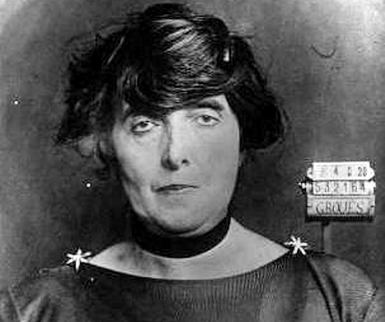
Hera Myrtel was born in Lyon, France, on October 25, 1868. She was the daughter of a silk merchant and worked as a secretary until the family business went bankrupt. At 26, she moved to Mexico and married Paul Jacques, a silk merchant twenty years her senior. Upon returning to Paris in 1904, she established herself as a writer and poet under the name Héra Myrtel, hosting a literary salon. Her psychological profile suggests a histrionic personality, characterized by manipulation, drug use, and volatile interpersonal relationships.
2. Criminal Career and Modus Operandi
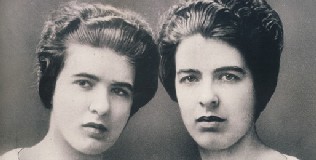
Bessarabo's criminal history is marked by suspicious deaths. In 1914, she attempted to poison her first husband, Paul Jacques, with corrosive sublimate. Shortly thereafter, Jacques was found dead with a revolver at his feet; the case was ruled a suicide. After returning to Mexico, she was involved in the death of a foreman on her ranch, claiming an attack by bandits. Later, she married Charles Bessarabo (born Weissman). Their marriage was fraught with violence, including strangulation attempts and shootings. On July 30, 1920, after a violent argument, Hera shot her husband. With the assistance of her daughter, Paule, she concealed the body in a trunk and shipped it by train to Nancy.
3. Investigation and Arrest
The investigation began following Charles Bessarabo's disappearance. The stench from a trunk at the Nancy railway station led employees to discover the corpse, which had sustained a gunshot wound to the back of the head. Police linked the shipment to the Bessarabo family through Paule Jacques' handwriting. Hera attempted to deflect suspicion by fabricating a story about a secret agent named Becker and a Mexican secret society, but forensic evidence, including the purchase of waterproof fabric by her daughter, dismantled her defense.
4. Legal Proceedings and Outcome
The trial began on February 15, 1922, in Paris, with the renowned Vincent de Moro-Giafferi as defense counsel. Despite a skilled defense, the case took a dramatic turn when Paule Jacques confessed to witnessing the crime and being coerced into assisting. This confession led to the daughter's acquittal, while Hera Bessarabo was found guilty and sentenced to 20 years of hard labor.
5. Psychiatric Assessment and Aftermath
Although Hera attempted to retract her initial confession prior to the trial, the cumulative evidence and her daughter's testimony proved decisive. Her health declined during her imprisonment, and she died in 1930. The case remains a classic 'cause célèbre' of the era, leaving lingering questions regarding the full extent of her criminal activities and the true nature of the events in Mexico.