



Forensic & Criminological Matrix
| Parameter | Forensic Detail |
|---|---|
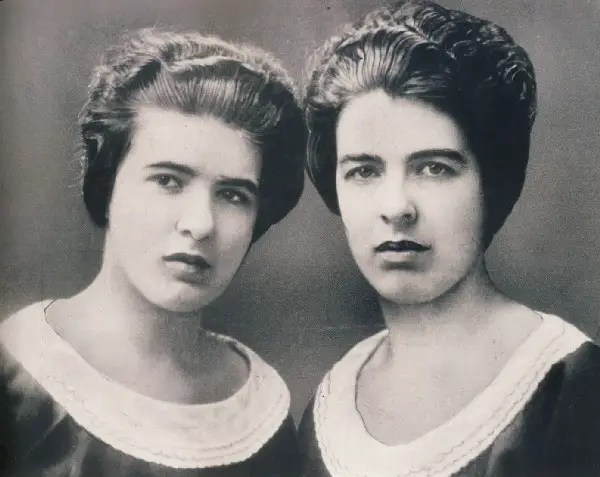
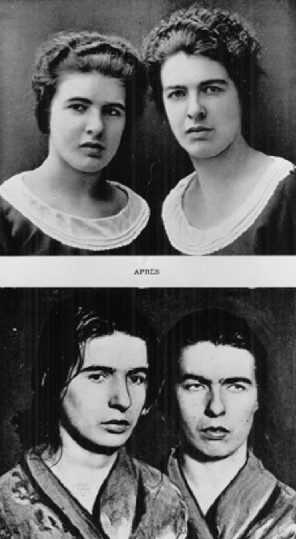
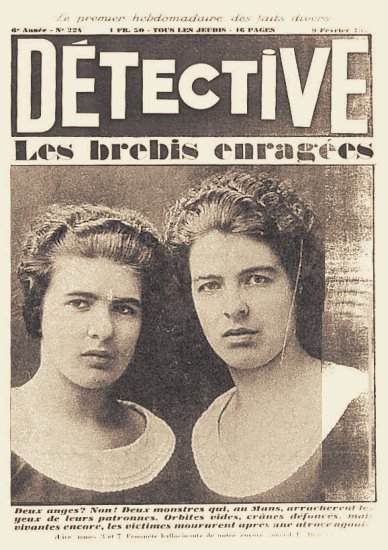
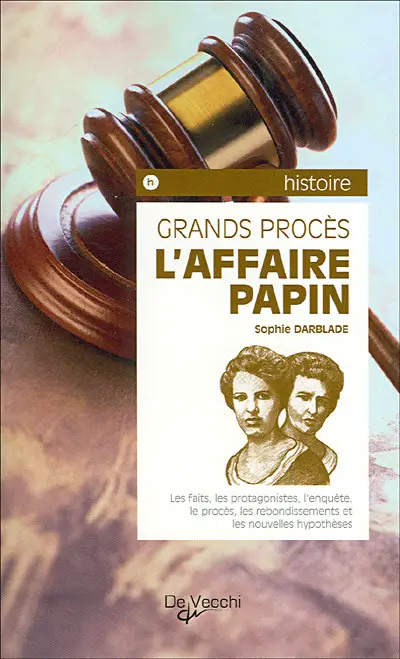
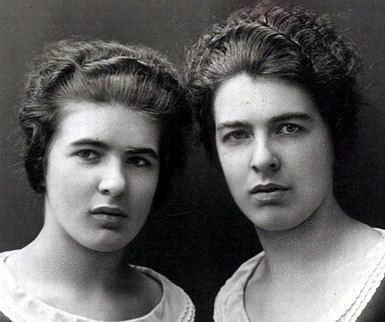
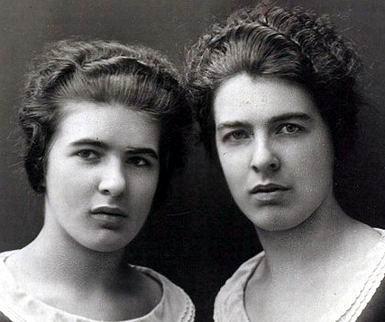
| Forensic Heading / Aliases | The Papin Sisters |
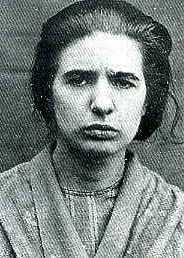
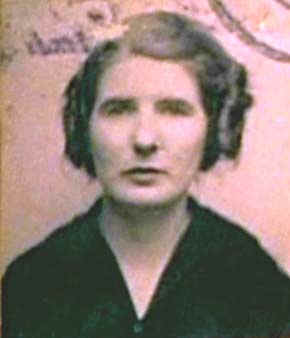
| Legal Identity | Christine Papin and Léa Papin |
| Confirmed Victims | 2 (Leonie Lancelin and Geneviève Lancelin) |
| Active Timeline | February 2, 1933 |
| Jurisdiction / Area of Operations | Le Mans, France |
| Criminological Classification | Domestic murderers / Shared psychotic disorder (folie à deux) |
| Forensic Modus Operandi | Sudden explosive assault using household tools (hammer, knife) targeting the victims' faces with extreme mutilation |
| Weapon / Mechanism of Death | Hammer, kitchen knives, blunt instruments |
| Motive / Behavioral Dynamics | Shared paranoid delusion, extreme alienation, and acute psychotic breakdown |
| Judicial Outcome | Christine sentenced to life of hard labor (died in asylum); Léa sentenced to 10 years of hard labor (later released) |
1. Background and Profile
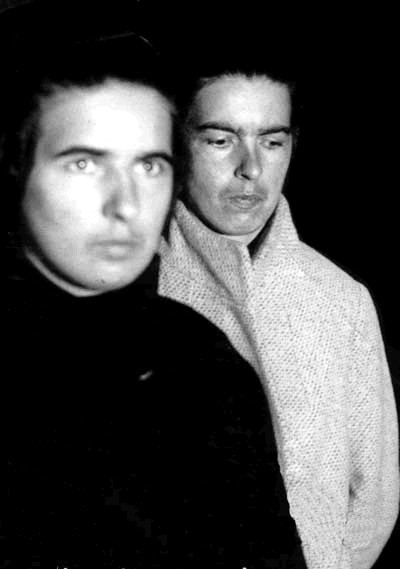
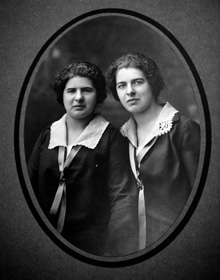
Sisters Christine (born 1905) and Léa (born 1911) worked as live-in domestic servants in Le Mans, France. Their background featured family histories of mental instability and severe childhood trauma, forging an intense codependent bond dominated by Christine. They lived in virtual isolation, dedicating their lives entirely to manual servitude for the bourgeois Lancelin family.
2. Crime Spree
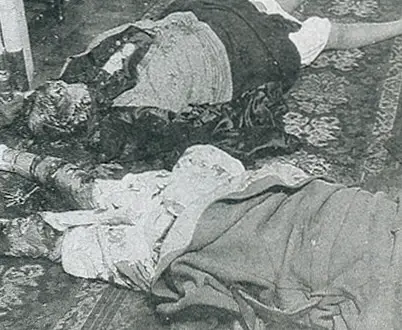
On February 2, 1933, inside the Lancelin residence in Le Mans, one of the most notorious crimes in French criminal history took place. Following a minor dispute over an electrical issue, the sisters experienced an acute shared psychotic episode (folie à deux). They attacked their employer, Madame Lancelin, and her daughter Geneviève with savage fury, bludgeoning them with a hammer and gouging their eyes out with bare hands and knives.
3. Investigation and Arrest
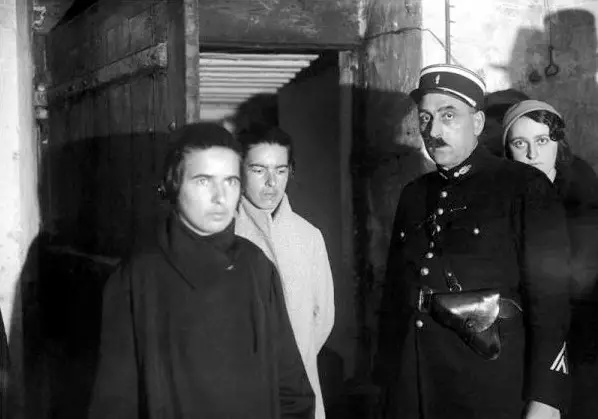
After the double homicide, the sisters locked themselves in their attic room without attempting to escape, washing their blood-stained hands and lying down together in bed. Police forced entry later that night following concerns raised by family members, uncovering a horrifying scene of carnage and psychological breakdown.
4. Legal Proceedings and Outcome
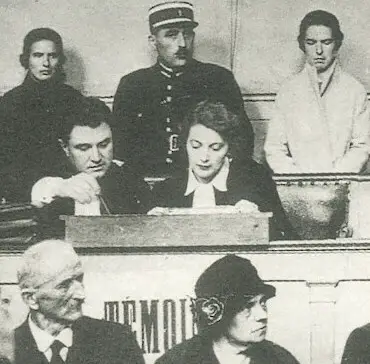
During the trial in September 1933, the defendants' demeanor fascinated forensic experts and the public alike. Christine confessed entirely while exhibiting signs of severe mental derangement, while Léa appeared submissive. The case heavily inspired French intellectuals, including Jean-Paul Sartre and Simone de Beauvoir, who interpreted the murders through the lens of class struggle and social oppression.
5. Psychiatric Evaluation and Final Status
Medical examiners diagnosed both women with severe paranoid psychosis. Christine was sentenced to death, commuted to life imprisonment with hard labor, and transferred to the Rennes psychiatric asylum, where she starved herself to death in 1937. Léa served a ten-year sentence, was eventually released, and lived out her life in total anonymity until her death in 2001.