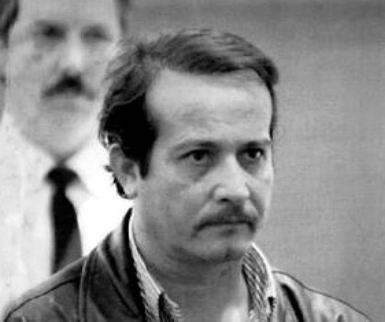
Forensic & Criminological Matrix
| Parameter | Forensic Detail |
|---|---|
| Forensic Heading / Aliases | Marcelito |
| Legal Identity | Marcelo Alejandro Antelo |
| Confirmed Victims | 4 |
| Attributed / Indicted Victims | 6 |
| Active Timeline | February - August 2010 |
| Jurisdiction / Area of Operations | Rivadavia Neighborhood, Bajo Flores, Buenos Aires |
| Criminological Classification | Serial Killer |
| Forensic Modus Operandi | Execution-style shootings |
| Weapon / Mechanism of Death | 9mm Browning pistol (stolen) and shotgun |
| Motive / Behavioral Dynamics | Substance abuse, territorial control, and mysticism |
| Judicial Outcome | Life imprisonment (September 7, 2012) |
1. Background and Psychopathy
Marcelo Alejandro Antelo, known as "Marcelito", was born in 1988. His background was characterized by extreme social vulnerability and severe addiction to 'paco' (pasta base). Forensic evaluations diagnosed him with antisocial personality disorder, noting high egocentrism and lack of empathy, while explicitly rejecting any psychotic or mystical-delusional state.
2. Crime Spree
Between February and August 2010, Antelo committed a series of murders in the Rivadavia neighborhood. His crimes were characterized by sudden, extreme violence. He frequently used a stolen police service weapon to execute his victims, who were often individuals he had personal conflicts with or strangers entering his territory.
3. Investigation and Arrest
Following a string of unsolved homicides, the Federal Police identified Antelo as the primary suspect. He was apprehended on August 30, 2010, in the Flores neighborhood after an armed confrontation with officers. He was found in possession of the 9mm pistol linked to several of the murders.
4. Legal Proceedings and Outcome
In 2012, the Oral Criminal Tribunal No. 27 sentenced Antelo to life imprisonment. The court found him guilty of four homicides. Despite initial media reports linking his crimes to a ritualistic pact with 'San La Muerte', the judicial process focused on his criminal intent and antisocial behavior rather than religious motivation.