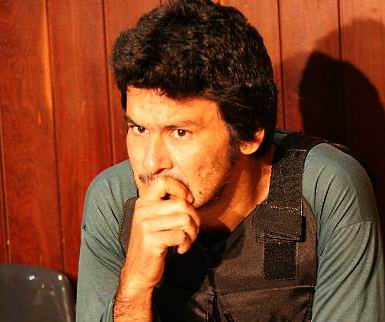
Forensic & Criminological Matrix
| Parameter | Forensic Detail |
|---|---|
| Forensic Heading / Aliases | Metal Fang, The Almaty Cannibal |
| Legal Identity | Nikolai Espolovich Dzhumagaliev |
| Confirmed Victims | 7 |
| Attributed / Indicted Victims | 50 - 100 |
| Active Timeline | 1979 - 1991 |
| Jurisdiction / Area of Operations | Almaty, Kazakhstan (USSR) |
| Criminological Classification | Serial Killer, Cannibal |
| Forensic Modus Operandi | Luring, sexual assault, homicide via axe/knife, and anthropophagy |
| Weapon / Mechanism of Death | Axe, Knife |
| Motive / Behavioral Dynamics | Psychopathy, cannibalistic paraphilia |
| Judicial Outcome | Indefinite psychiatric commitment |
1. Background and Profile
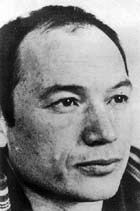
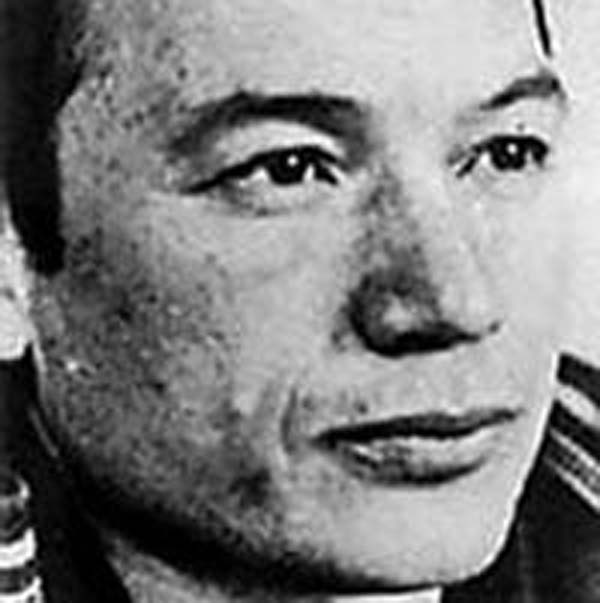
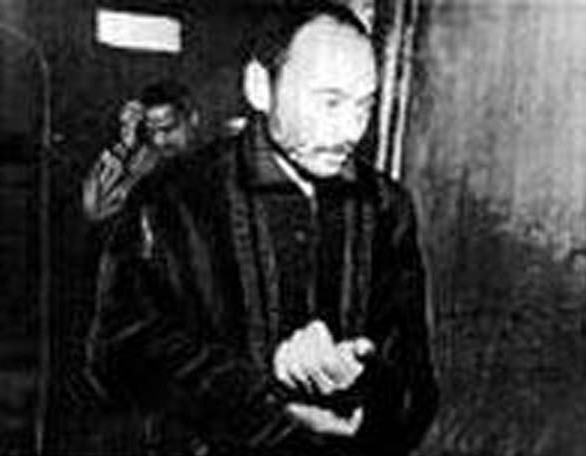
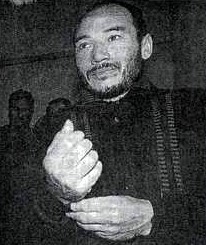
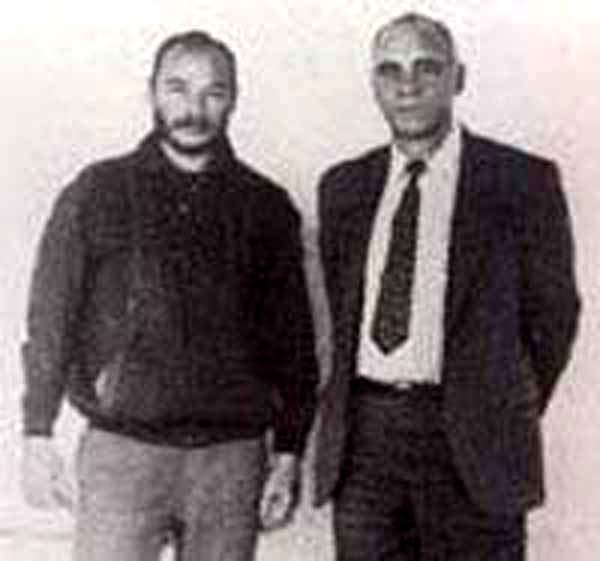
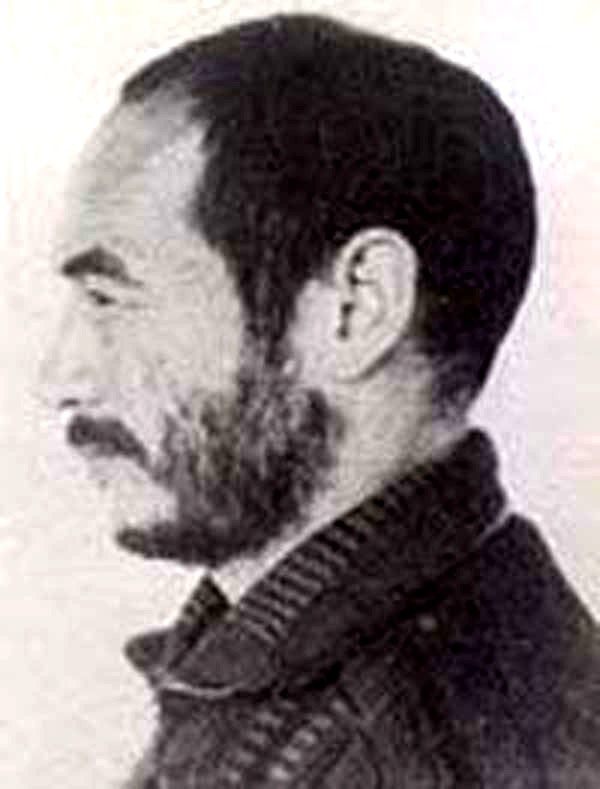
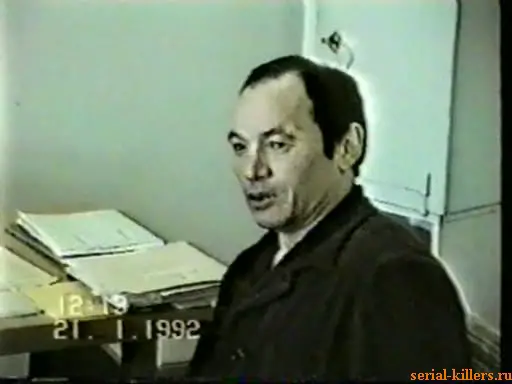
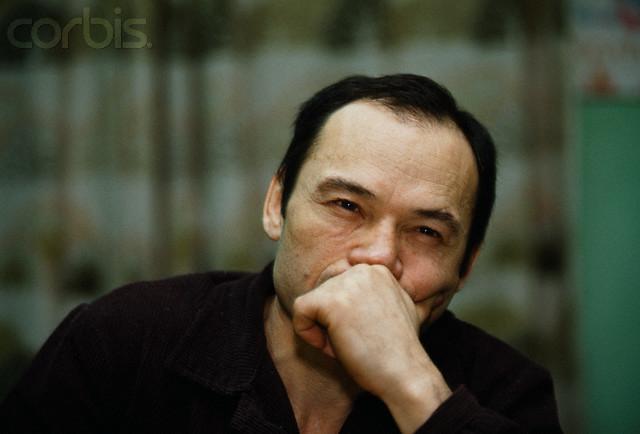
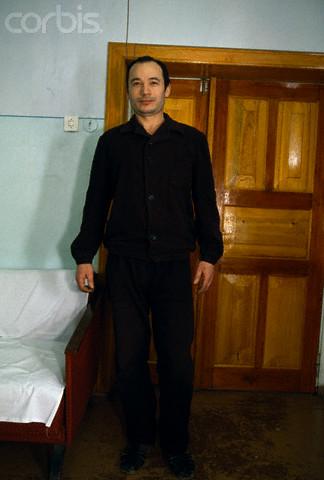
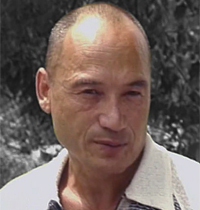
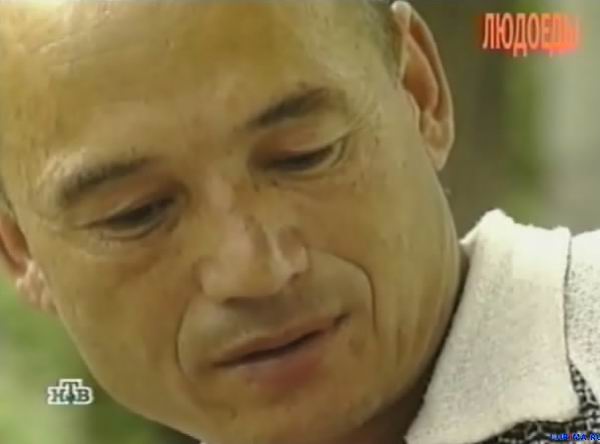
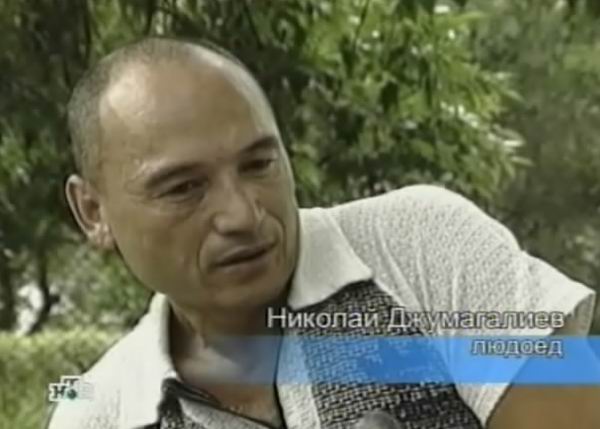
Born in 1952, Nikolai Espolovich Dzhumagaliev had a prior conviction for manslaughter in the late 1970s. He was perceived by acquaintances as a well-spoken, clean-shaven gentleman, which allowed him to operate without raising immediate suspicion. His most notable physical feature was his white metal dental crowns, which led to his moniker, "Metal Fang."
2. Crime Spree
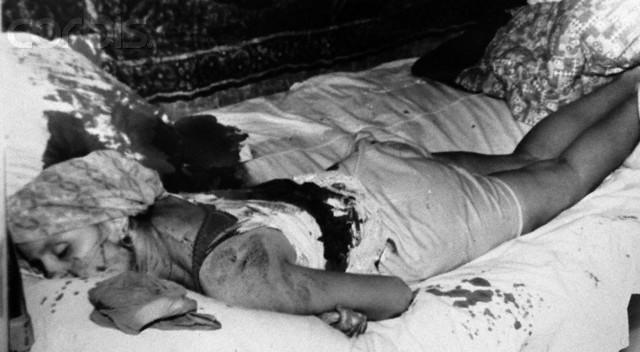
Operating in the Kazakh SSR, Dzhumagaliev targeted young women, luring them to remote locations. After raping his victims, he would kill them using an axe or knife. His crimes were characterized by cannibalism; he would carve the bodies and serve the flesh to unsuspecting guests at social gatherings, claiming it was animal meat.
3. Investigation and Arrest
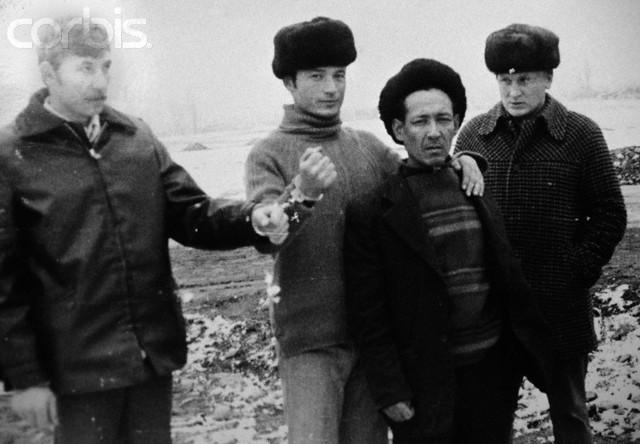
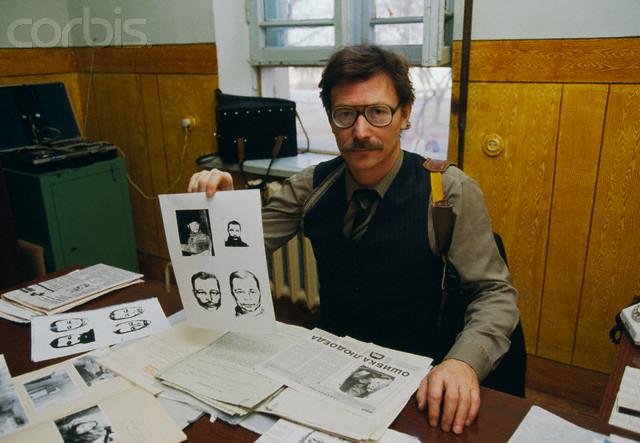
His criminal activity was exposed when two acquaintances, invited to his home for a meal, discovered human remains in his kitchen. They alerted the authorities, leading to his arrest. He was charged with seven murders, though estimates of his total victim count range significantly higher.
4. Legal Proceedings and Outcome
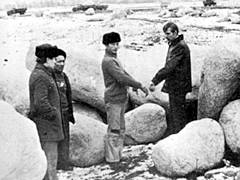
Deemed insane by the court, he was committed to a psychiatric facility in Tashkent. In 1989, he escaped during a transfer, triggering a two-year manhunt. He was recaptured in August 1991 in Fergana, Uzbekistan, after a woman reported him for suspicious behavior. He remains institutionalized to this day.