Forensic & Criminological Matrix
| Parameter | Forensic Detail |
|---|---|
| Forensic Heading / Aliases | Capital Park Serial Killer |
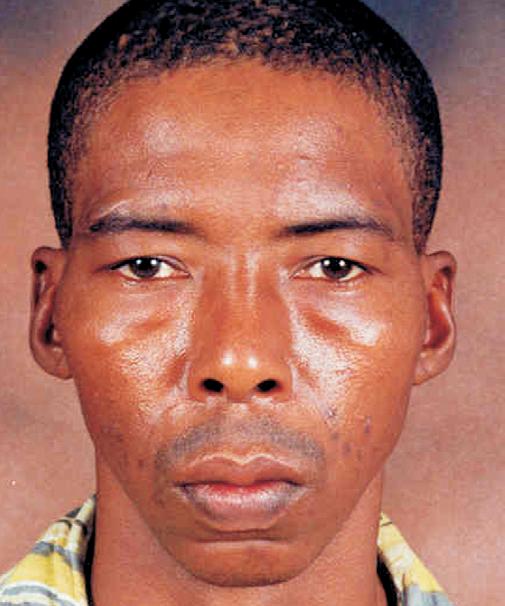
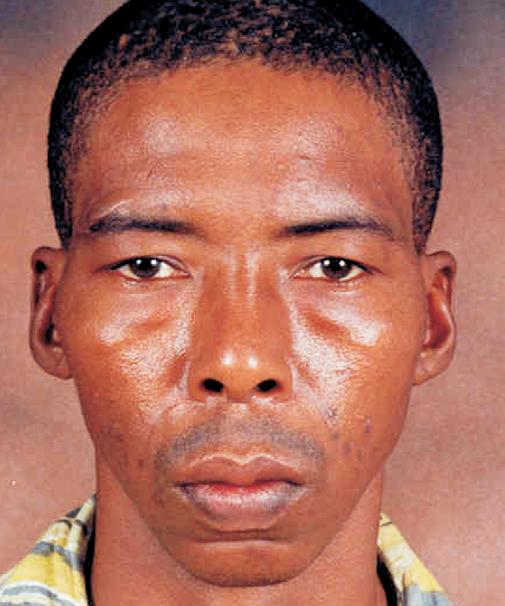
| Legal Identity | Samuel Sidyno |
| Confirmed Victims | 7 |
| Attributed / Indicted Victims | 7 |
| Active Timeline | November 1998 - January 1999 |
| Jurisdiction / Area of Operations | Pretoria, Gauteng, South Africa |
| Criminological Classification | Serial Killer |
| Forensic Modus Operandi | Luring victims to isolated areas, manual strangulation, ritualistic body disposal |
| Weapon / Mechanism of Death | Manual strangulation |
| Motive / Behavioral Dynamics | Sexual sadism, control, and dominance |
| Judicial Outcome | Sentenced to seven life terms (September 2000) |
1. Background and Psychopathy
Samuel Sidyno, born in 1962, established his base of operations near the Pretoria Zoo. Living in a water tower, he utilized the dense brush of Capital Park hill to lure vulnerable individuals. Forensic analysis identified him as a predatory offender who targeted individuals he perceived as easy prey.
2. Crime Spree
Between late 1998 and early 1999, Sidyno murdered two women and five youths. His criminal pattern was highly consistent: he would lure victims with promises of work or shelter, strangle them, and then arrange their bodies face-down, removing their shoes and covering them with branches. This ritualistic behavior was a hallmark of his crimes.
3. Investigation and Arrest
Police investigation led to his arrest on January 6, 1999. DNA evidence was crucial in linking him to the murder of Paulinah Ledwaba. Despite his attempts to recant his confession and claim police brutality, the physical evidence and his voluntary pointing out of the crime scenes solidified the state's case.
4. Legal Proceedings and Outcome
In the Pretoria High Court, Judge Johan van der Westhuizen presided over the trial. Sidyno's defense of mental illness was rejected by state psychiatrists. He was convicted of seven counts of murder and sentenced to seven life terms, with the judge emphasizing the cruelty and lack of remorse shown by the perpetrator.