Forensic & Criminological Matrix
| Parameter | Forensic Detail |
|---|---|
| Forensic Heading / Aliases | The Criminal Backpacker |
| Legal Identity | Francis Heaulme |
| Confirmed Victims | 11 |
| Attributed / Indicted Victims | 20+ |
| Active Timeline | 1984-1992 |
| Jurisdiction / Area of Operations | France (37 departments) |
| Criminological Classification | Itinerant Serial Killer |
| Forensic Modus Operandi | Opportunistic homicides, use of bladed weapons, often with accomplices |
| Weapon / Mechanism of Death | Knives (Opinel), blunt objects (fire extinguishers) |
| Motive / Behavioral Dynamics | Psychopathy, alcoholism, Klinefelter syndrome |
| Judicial Outcome | Life imprisonment |
1. Background and Profile
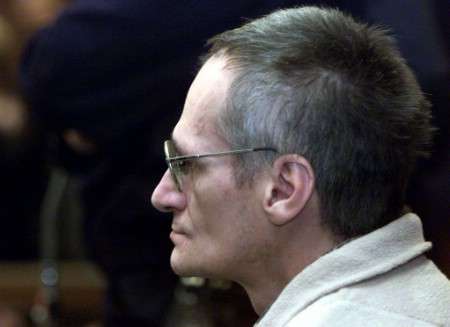
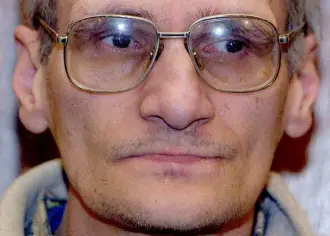
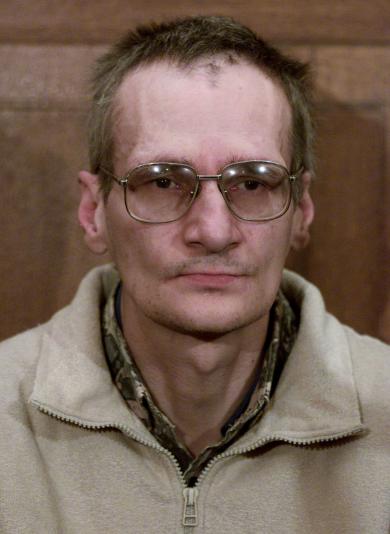
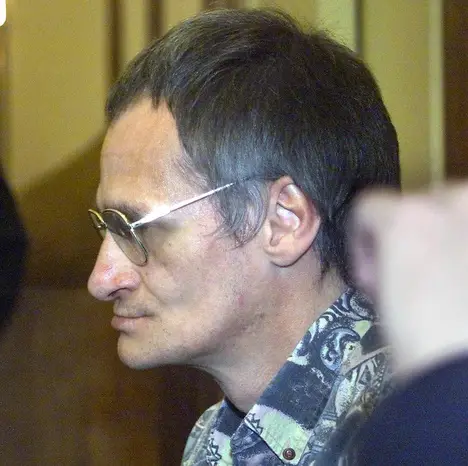
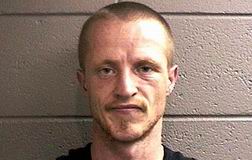
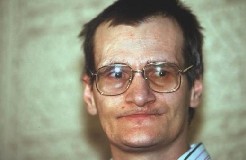
Francis Heaulme was born on February 25, 1959, in Metz, France. His upbringing was defined by severe physical abuse from his father. He suffered from Klinefelter syndrome, which contributed to his social alienation and emotional instability. Following the death of his mother in 1984, he descended into alcoholism and began an erratic, nomadic lifestyle across France.
2. Criminal Career and Modus Operandi
Heaulme traveled extensively, often staying in shelters. His crimes were characterized by their opportunistic nature and lack of a singular victim profile. He frequently acted with accomplices, such as Jose Molins or Didier Gentil, often assuming a secondary role in the physical violence while providing the impetus for the crime. His ability to recount details of his crimes to investigators was remarkably precise.
3. Investigation and Arrest
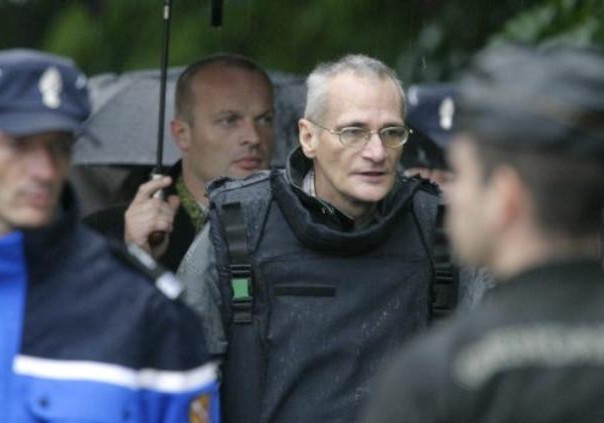
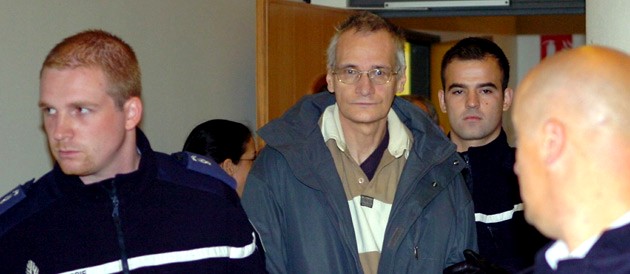
Tracking Heaulme was a monumental task for French law enforcement. Gendarme Jean-François Abgrall was the primary investigator who successfully navigated Heaulme's manipulative personality. Heaulme was finally arrested on January 7, 1992, in Bischwiller, Alsace, after a long series of unsolved murders across the country.
4. Legal Proceedings and Outcome
Heaulme has faced multiple trials for various murders. His legal history is marked by several life sentences. The complexity of his cases, involving numerous jurisdictions and accomplices, has made him one of the most significant subjects in modern French forensic history.