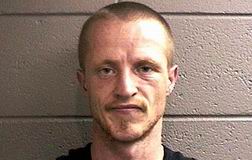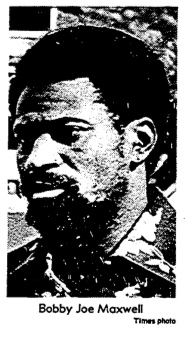
Forensic & Criminological Matrix
| Parameter | Forensic Detail |
|---|---|
| Forensic Heading / Aliases | Skid Row Stabber |
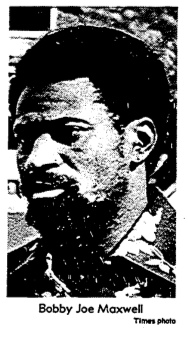
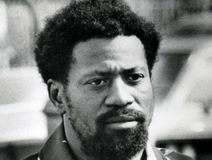
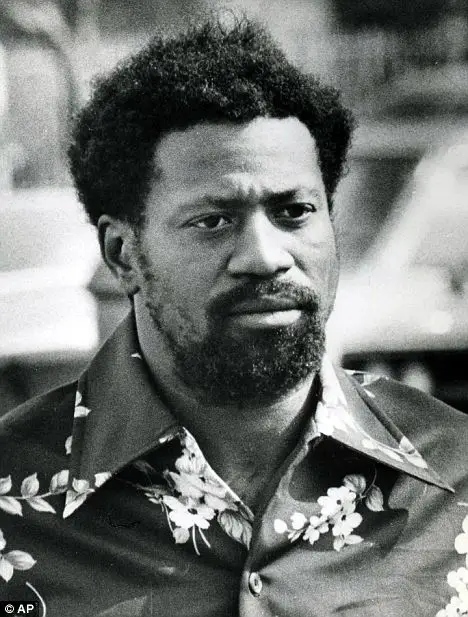
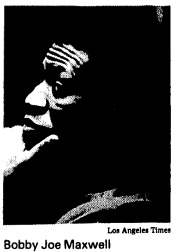
| Legal Identity | Bobby Joe Maxwell |
| Confirmed Victims | 0 (Convictions overturned in 2010) |
| Attributed / Indicted Victims | 11 |
| Active Timeline | 1978 - 1979 |
| Jurisdiction / Area of Operations | Los Angeles, California |
| Criminological Classification | Serial Killer / Spree Killer |
| Forensic Modus Operandi | Stabbing attacks on homeless individuals |
| Weapon / Mechanism of Death | Long-bladed knife |
| Motive / Behavioral Dynamics | Satanic ritualism / Misanthropy |
| Judicial Outcome | Conviction overturned in 2010 |
1. Background and Profile
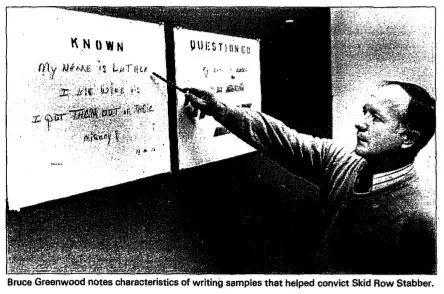
A native of Tennessee with a prior record for robbery, Bobby Joe Maxwell exhibited a deep-seated obsession with Satanism, referring to Lucifer as 'Luther'. His behavioral profile indicated a volatile individual who targeted the homeless population, viewing them as disposable entities.
2. Crime Spree
Between October 1978 and January 1979, the Skid Row district of Los Angeles suffered a wave of brutal stabbings. Maxwell targeted sleeping transients, often leaving behind ritualistic messages or cardboard signs bearing the name 'Satan'.
3. Investigation and Arrest
Maxwell was apprehended on April 4, 1979, after police linked a knife found in his possession to the crime scenes. A palm print found at the scene of Frank Garcia's murder was the primary physical evidence used against him, though it was later challenged.
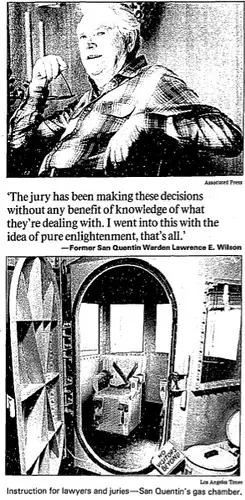
4. Legal Proceedings and Outcome
Convicted in 1984 for two murders, Maxwell's case relied heavily on the testimony of jailhouse informant Sidney Storch. In 2010, the 9th U.S. Circuit Court of Appeals overturned his conviction, citing Storch as a 'habitual liar' and noting that the prosecution's case was built on fabricated evidence.