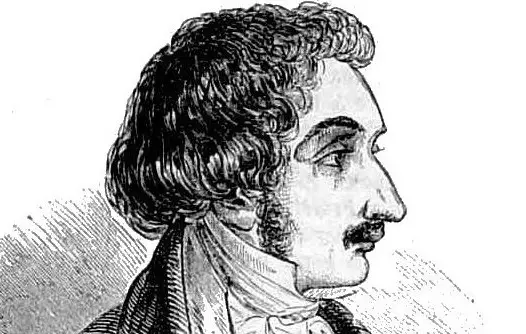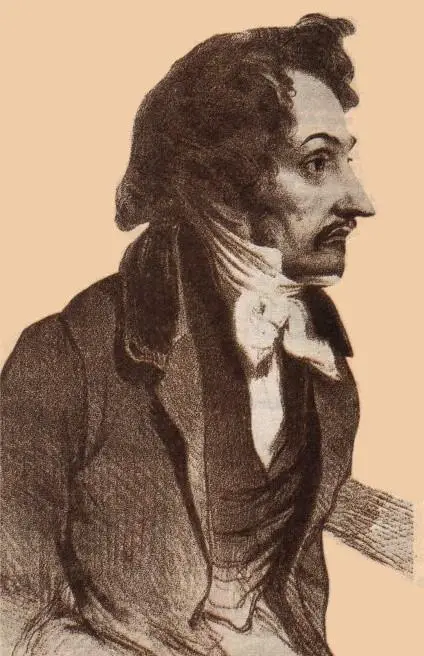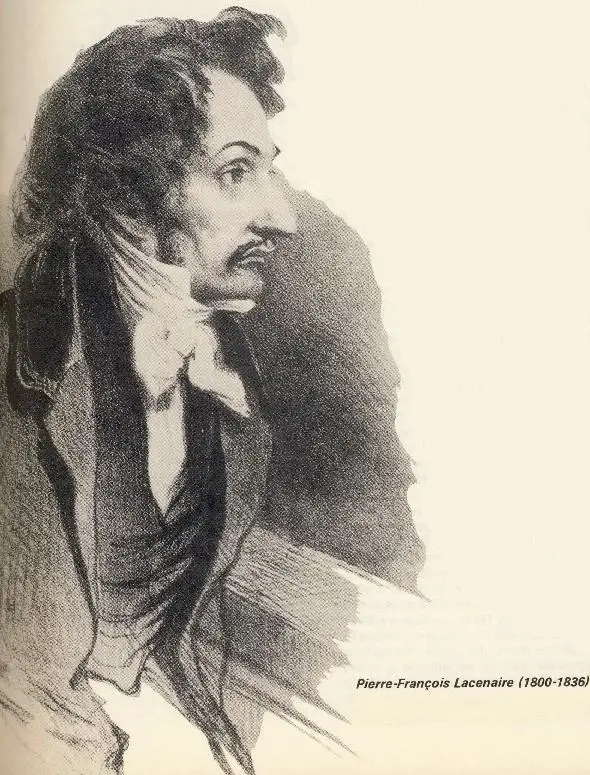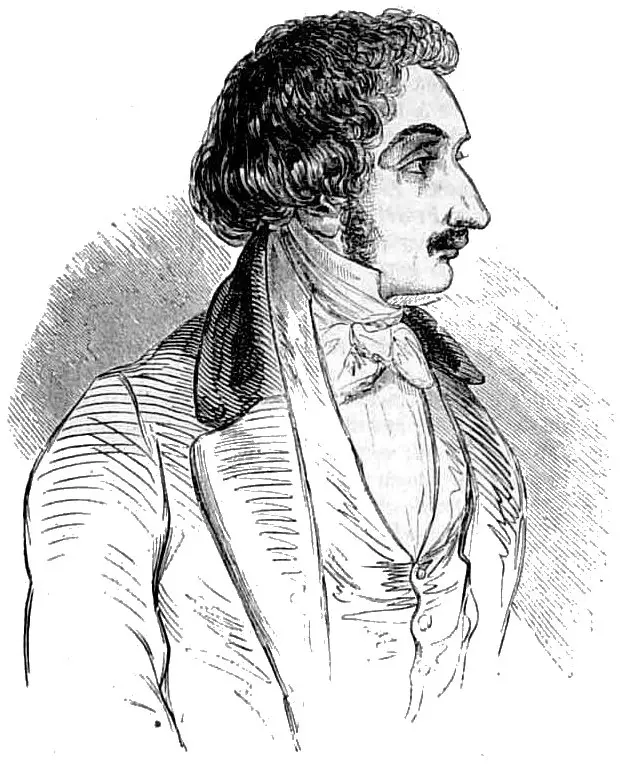




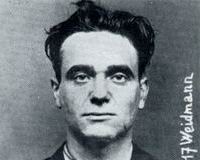
Forensic & Criminological Matrix
| Parameter | Forensic Detail |
|---|---|
| Forensic Heading / Aliases | The Murderous Poet |
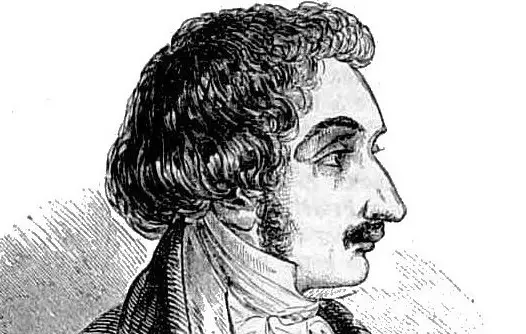
| Legal Identity | Pierre François Lacenaire |
| Confirmed Victims | 2 |
| Attributed / Indicted Victims | 2 |
| Active Timeline | 1834-1835 |
| Jurisdiction / Area of Operations | Paris, France |
| Criminological Classification | Serial Killer / Romantic Criminal |
| Forensic Modus Operandi | Recruitment of accomplices, violent assault, and homicide |
| Weapon / Mechanism of Death | Bladed and blunt weapons |
| Motive / Behavioral Dynamics | Financial gain and pathological narcissism |
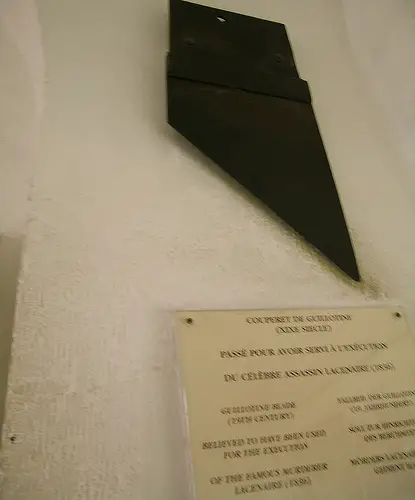
| Judicial Outcome | Execution by guillotine |
1. Background and Profile
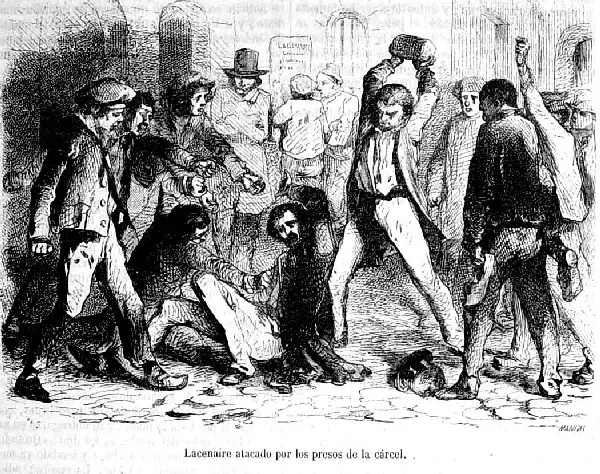
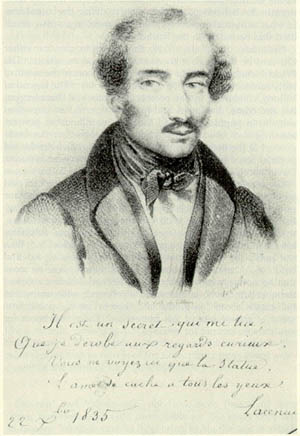
Born in 1803, Pierre François Lacenaire was a complex figure who combined criminal activity with literary aspirations. After deserting the army in 1829, he spent significant time in prison, which he famously described as his 'criminal university'. This environment allowed him to refine his criminal techniques and develop a persona that would later captivate the Parisian public.
2. Criminal Career and Modus Operandi
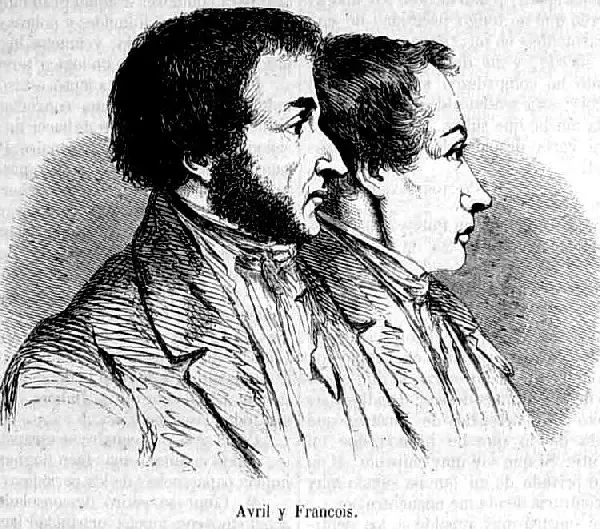
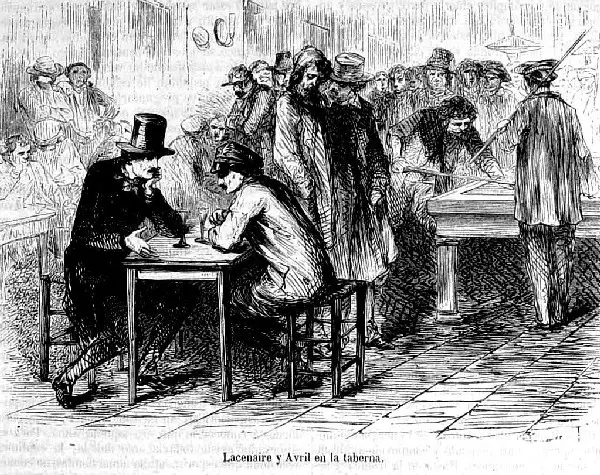
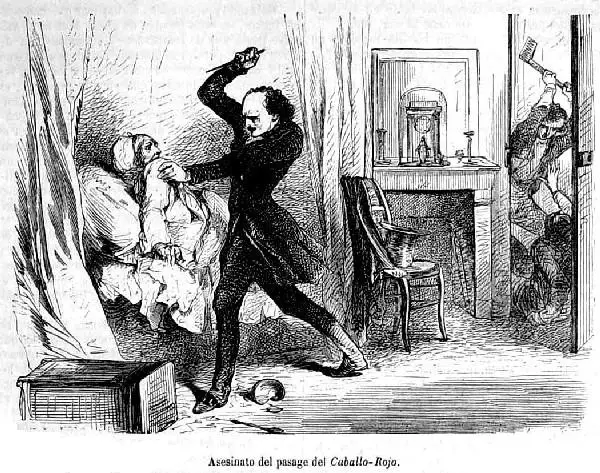
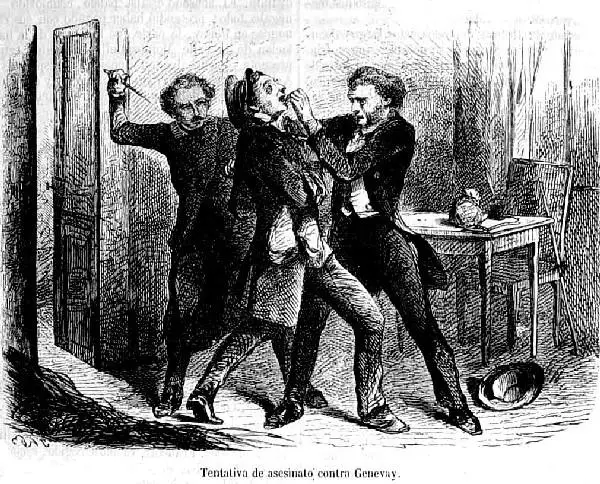
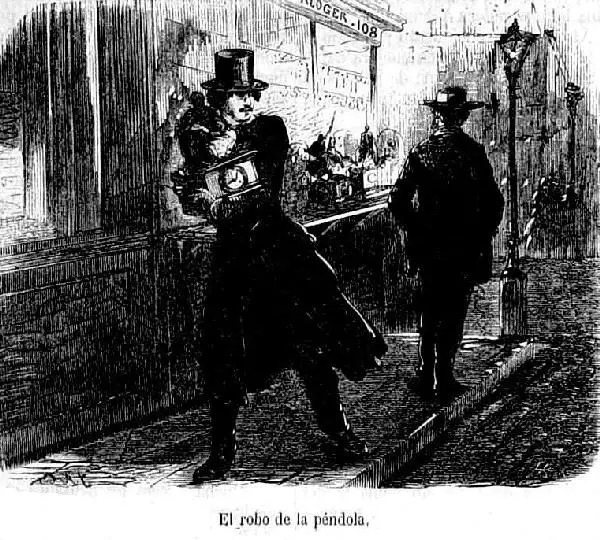
Lacenaire orchestrated a series of violent robberies, recruiting accomplices such as Victor Avril and François Martin. His modus operandi was characterized by premeditation and the cold-blooded elimination of victims to prevent identification. His intellectualization of crime set him apart from common criminals of his era.
3. Investigation and Arrest
Police investigations eventually linked Lacenaire to several high-profile murders. The trail of evidence, including stolen property and witness testimonies from his criminal associates, led to his arrest and the dismantling of his small criminal cell.
4. Legal Proceedings and Outcome
His trial was a landmark event in French judicial history. Lacenaire used the courtroom to deliver eloquent speeches, effectively turning his prosecution into a performance. He wrote memoirs and poetry while awaiting his fate, cementing his status as a cultural icon of the 'romantic criminal'.
5. Psychiatric Assessment and Conclusion
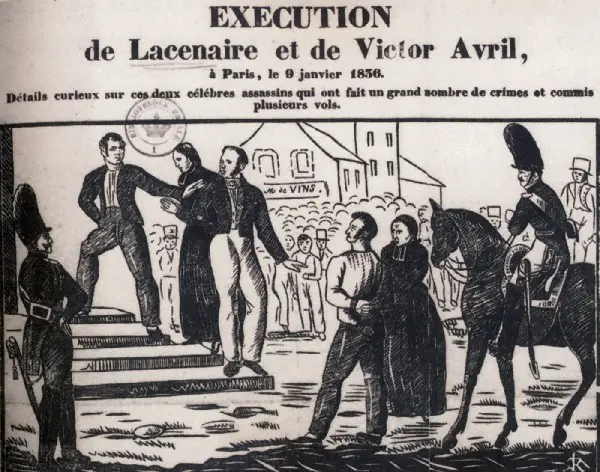
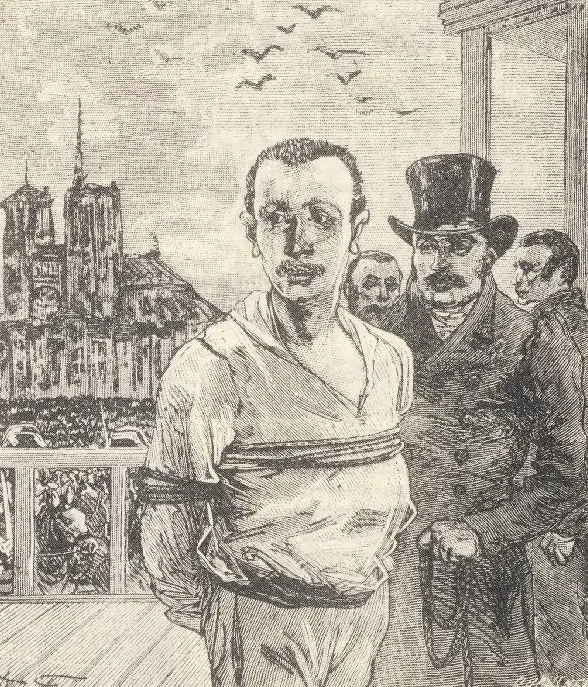
Following his conviction, Lacenaire was executed by guillotine on January 9, 1836. His legacy persists in literature, most notably as an inspiration for Raskolnikov in Dostoevsky's 'Crime and Punishment', and in the academic study of the evolution of the 'true crime' genre.