




Forensic & Criminological Matrix
| Parameter | Forensic Detail |
|---|---|
| Forensic Heading / Aliases | N/A |
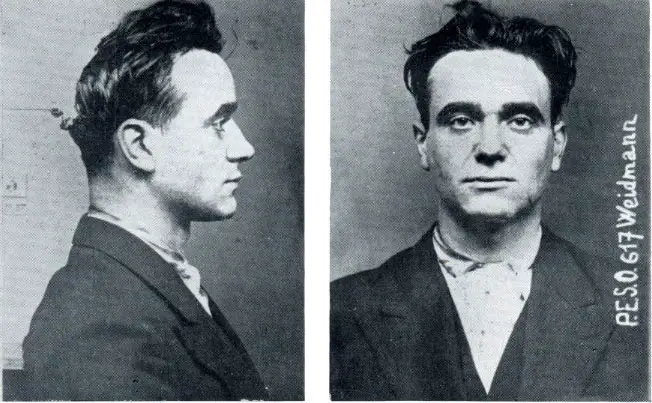
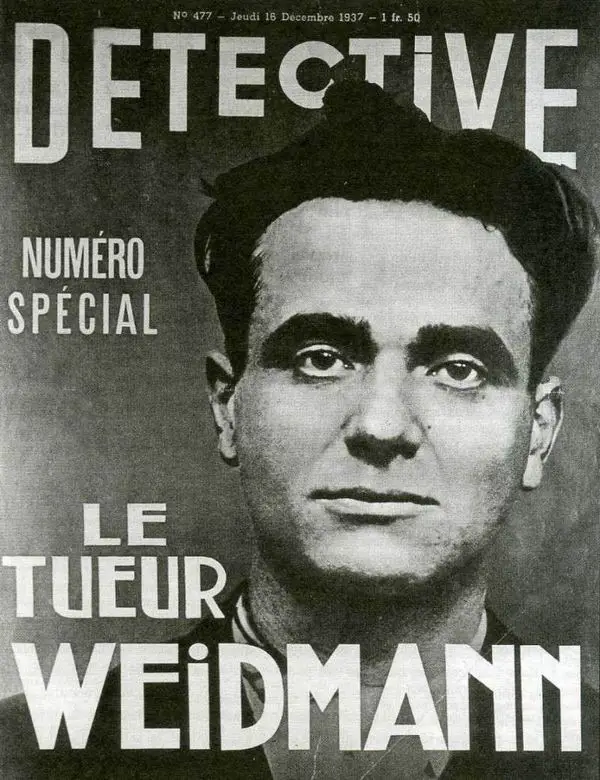
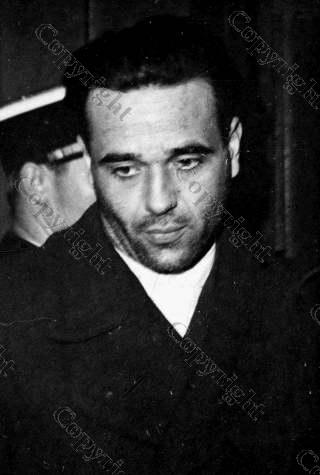
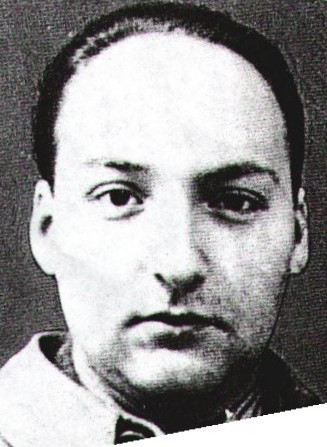
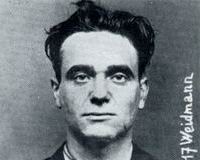
| Legal Identity | Eugen Weidmann |
| Confirmed Victims | 6 |
| Attributed / Indicted Victims | 6 |
| Active Timeline | July - November 1937 |
| Jurisdiction / Area of Operations | France (Paris, Saint-Cloud, Fontainebleau) |
| Criminological Classification | Serial Killer |
| Forensic Modus Operandi | Kidnapping, robbery, and homicide via firearm or strangulation |
| Weapon / Mechanism of Death | Pistol (shot to the nape of the neck) and manual strangulation |
| Motive / Behavioral Dynamics | Financial gain and criminal psychopathy |
| Judicial Outcome | Death sentence by guillotine |
1. Background and Psychopathy
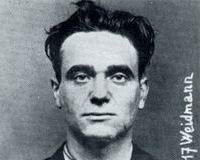
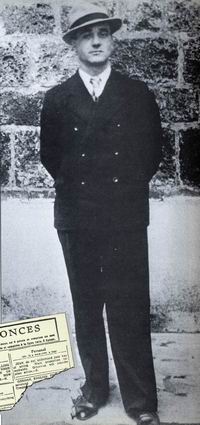
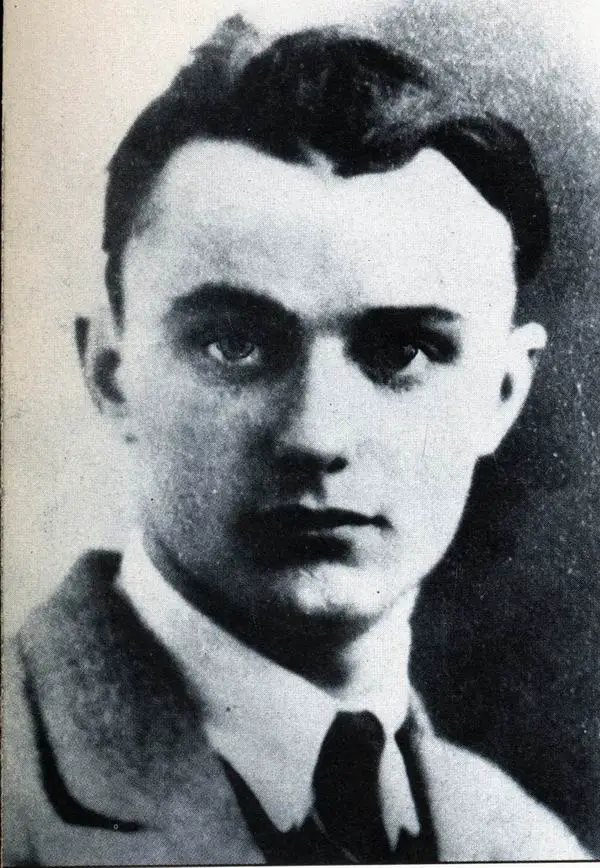
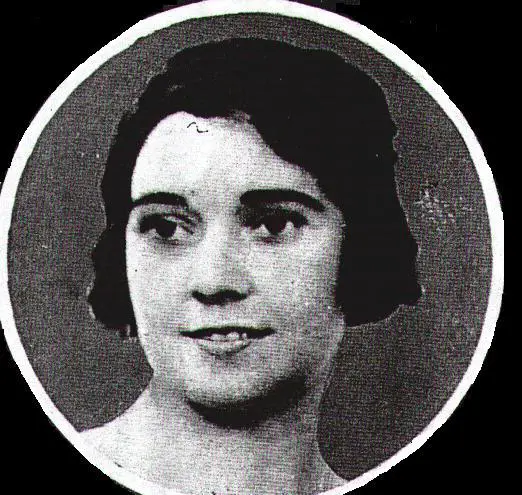
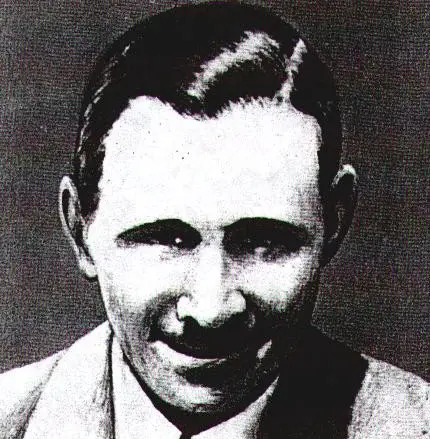
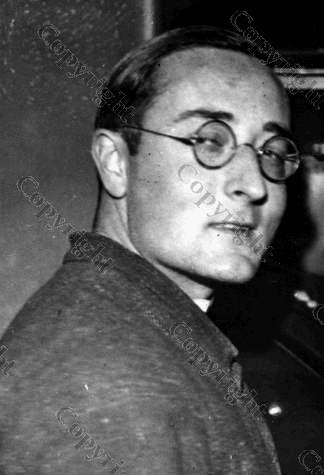
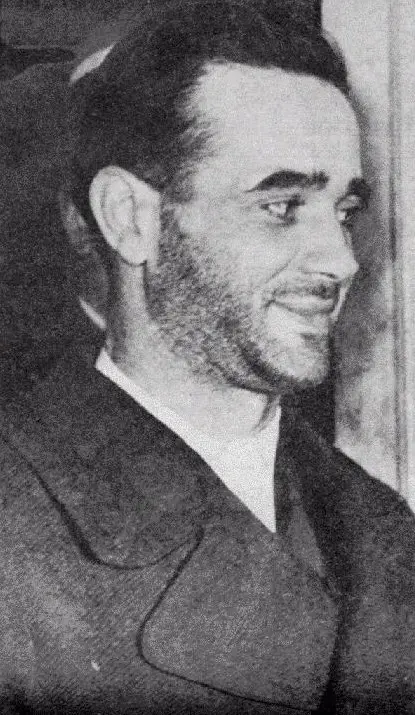
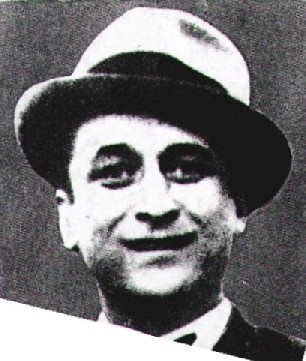
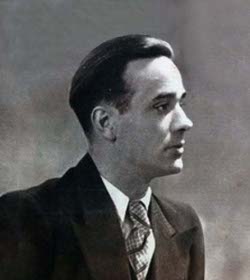
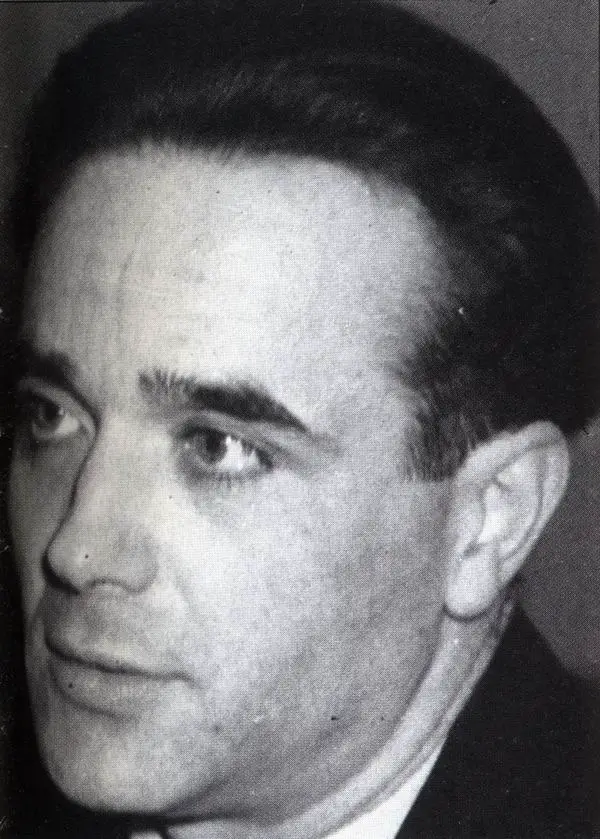
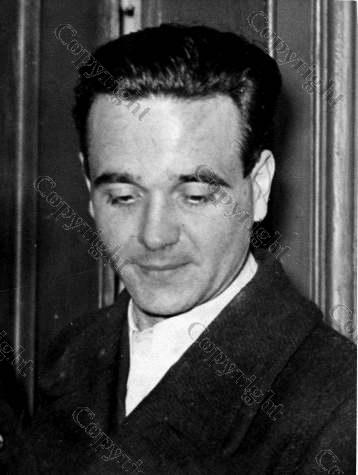
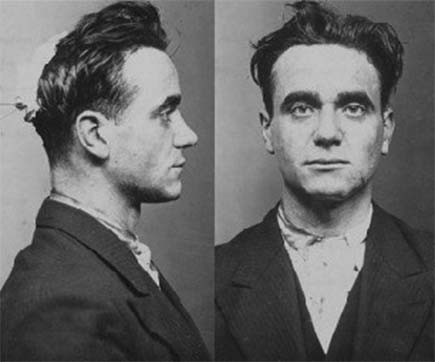
Born in Frankfurt am Main on February 5, 1908, Eugen Weidmann was the son of an export businessman. His formative years were disrupted by World War I, during which he began engaging in petty theft. In his twenties, he served a five-year sentence in Saarbrücken prison for robbery. It was during this incarceration that he met his future criminal associates: Roger Million, Jean Blanc, and Fritz Frommer.
2. Crime Spree
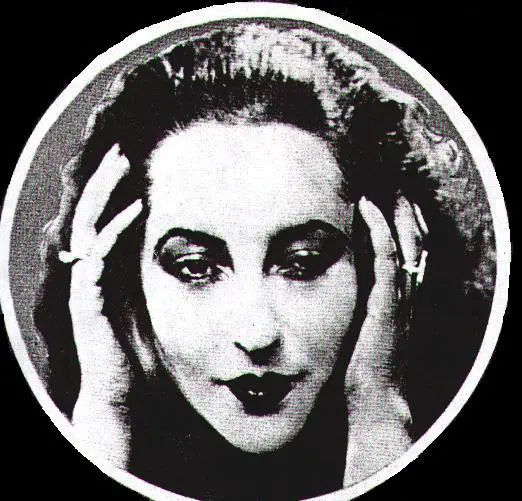
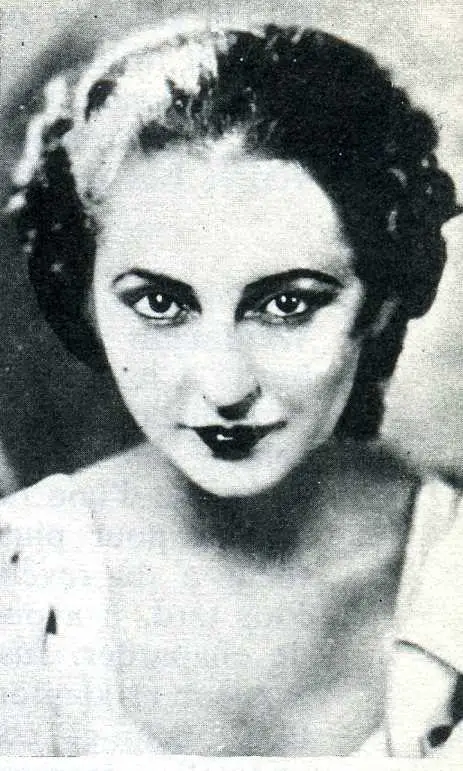
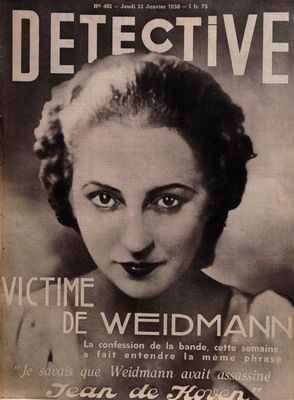
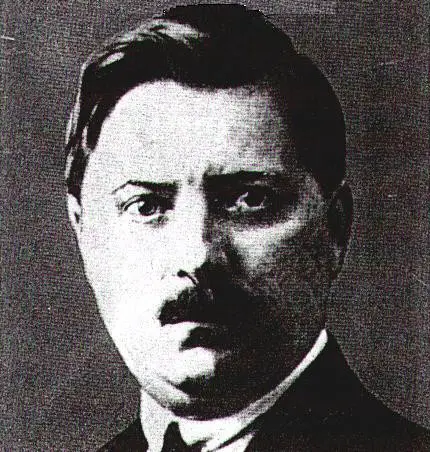
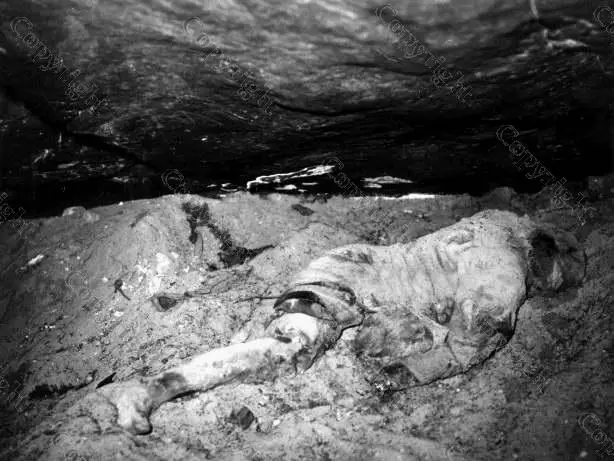
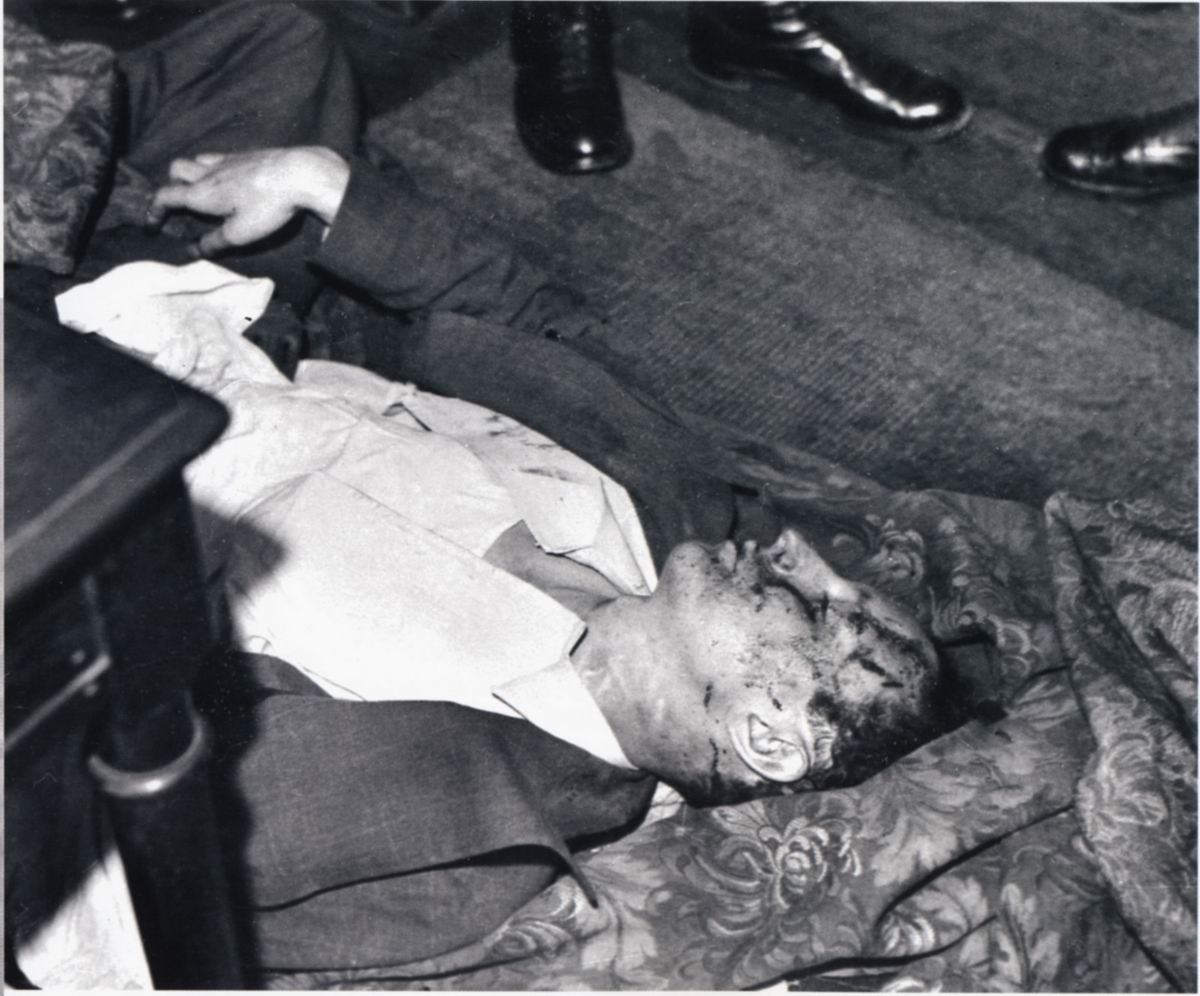
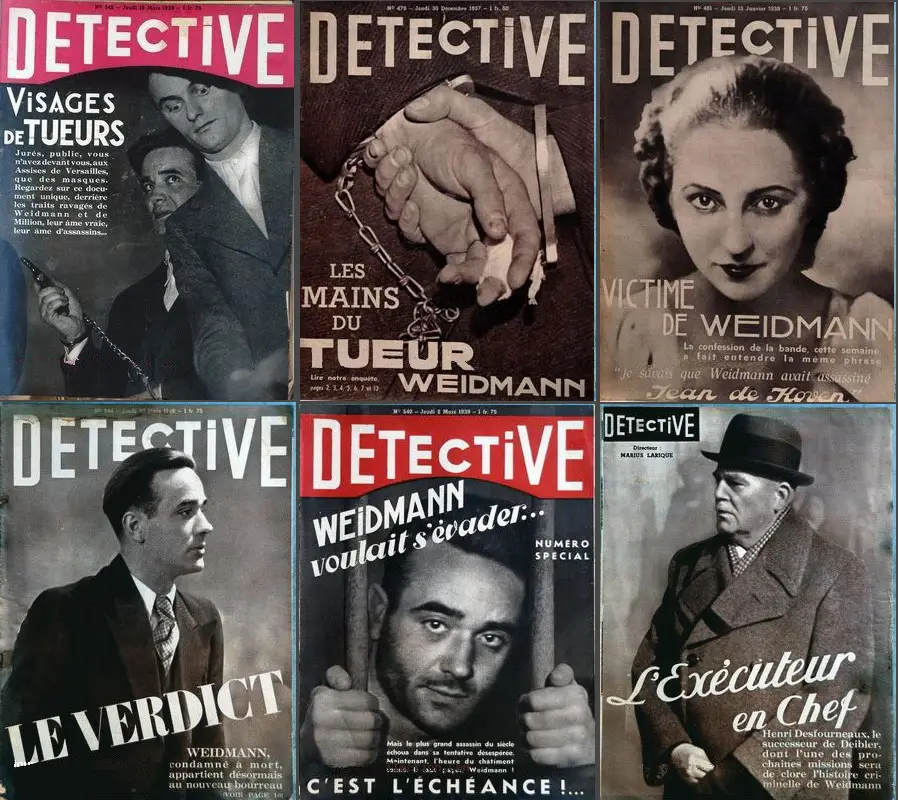
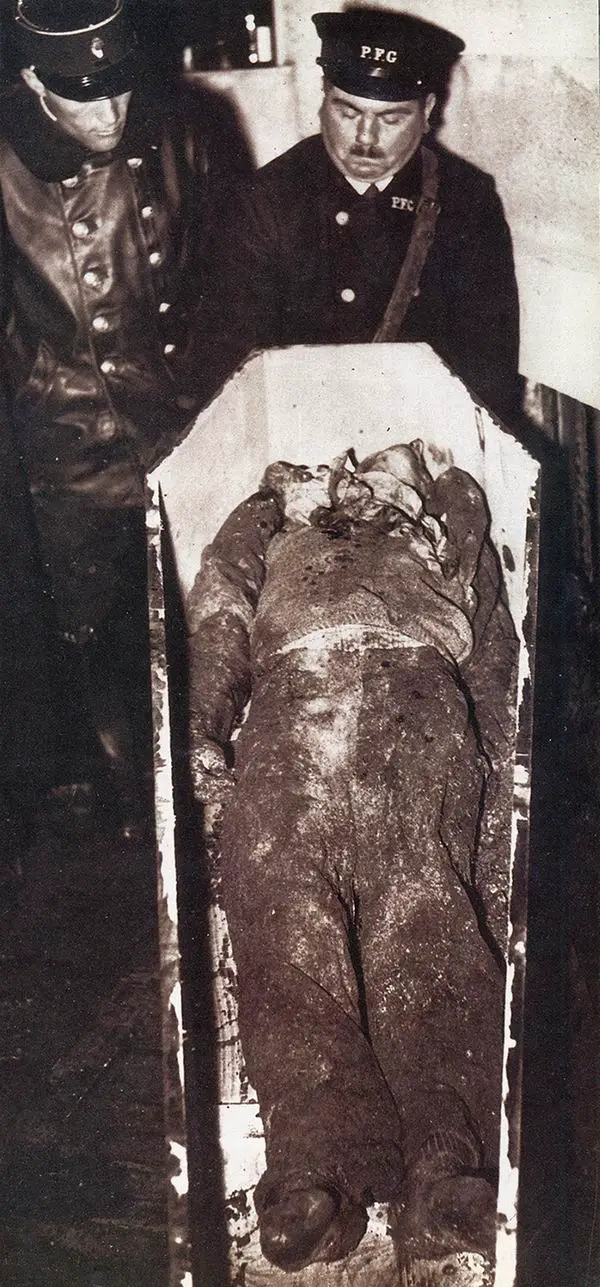
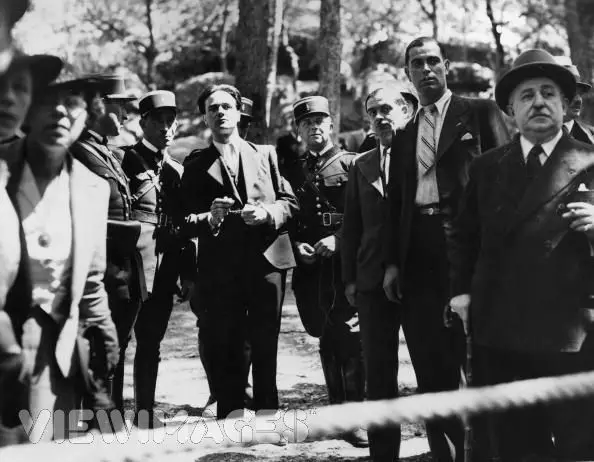
Upon their release, the group rented a villa in Saint-Cloud to facilitate the kidnapping of wealthy tourists. Their first successful abduction was Jean de Koven, a 22-year-old American dancer, whom Weidmann strangled in July 1937. The spree continued with the murders of chauffeur Joseph Couffy, theatrical producer Roger LeBlond, real estate agent Raymond Lesobre, private nurse Janine Keller, and Fritz Frommer. Weidmann consistently utilized deception to lure victims, subsequently executing them with a shot to the nape of the neck or strangulation to facilitate robbery.
3. Investigation and Arrest
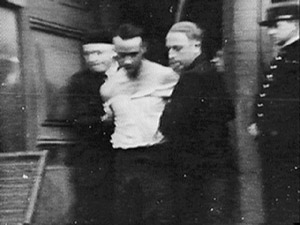
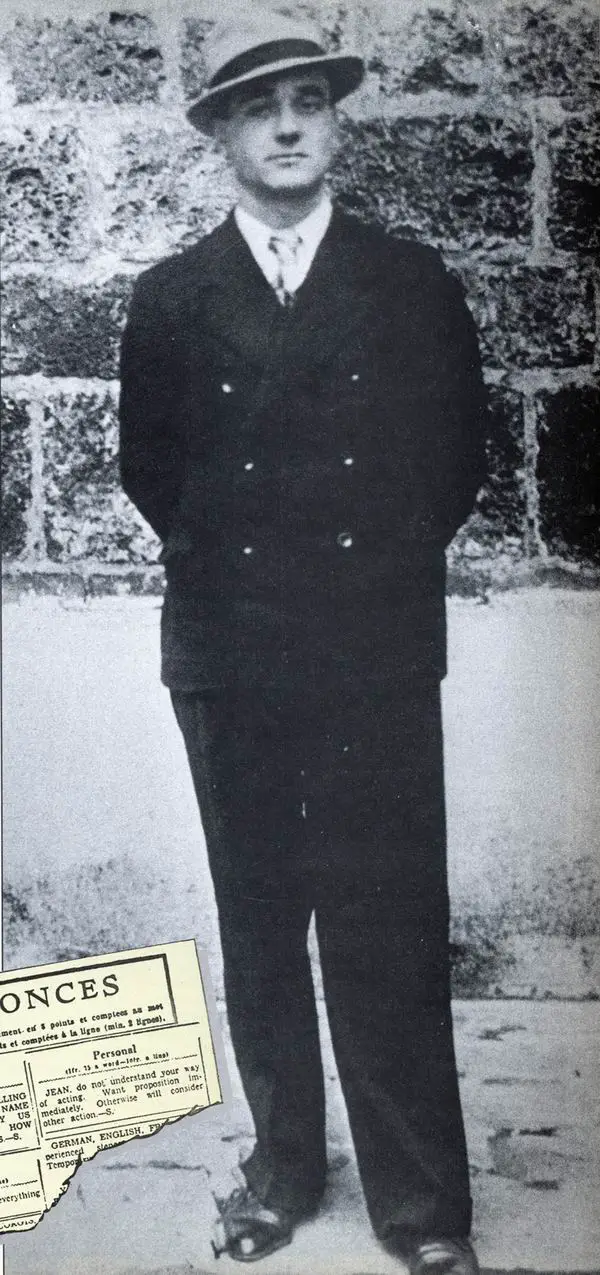
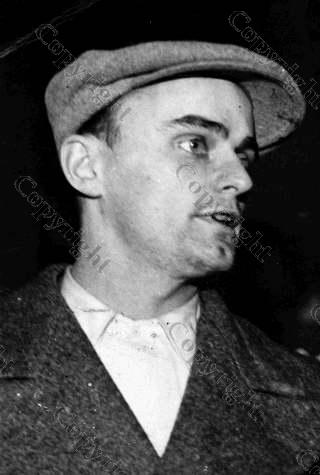
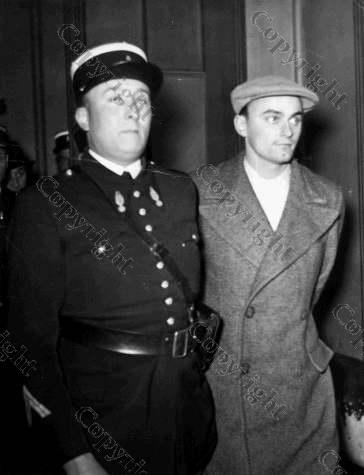
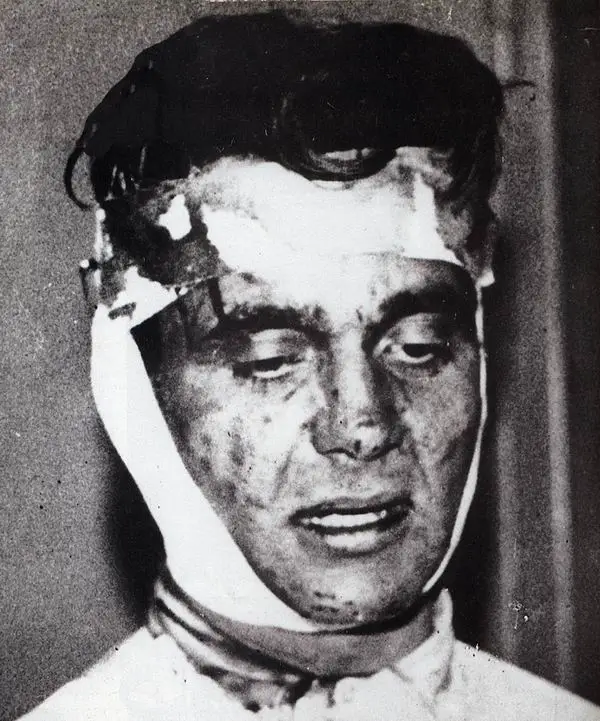
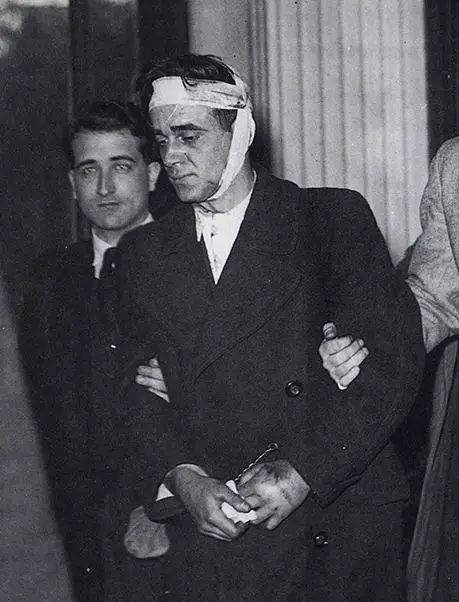
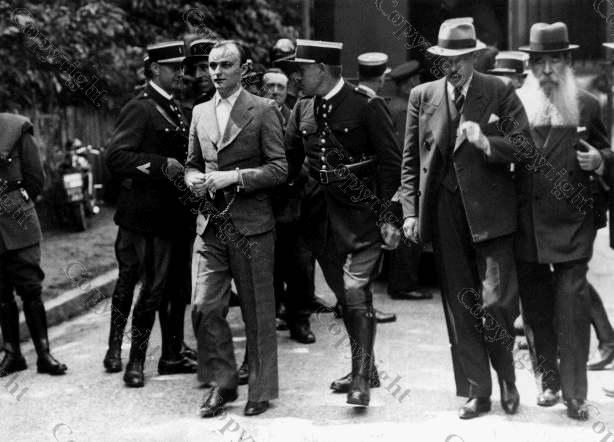
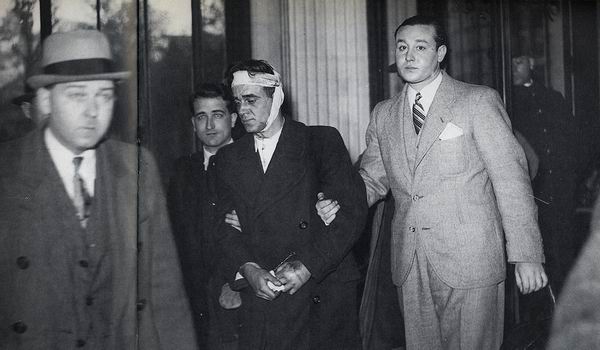
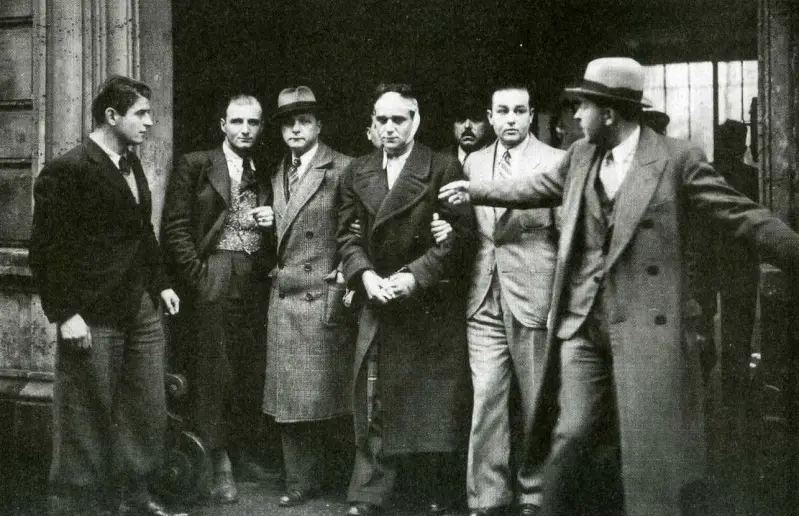
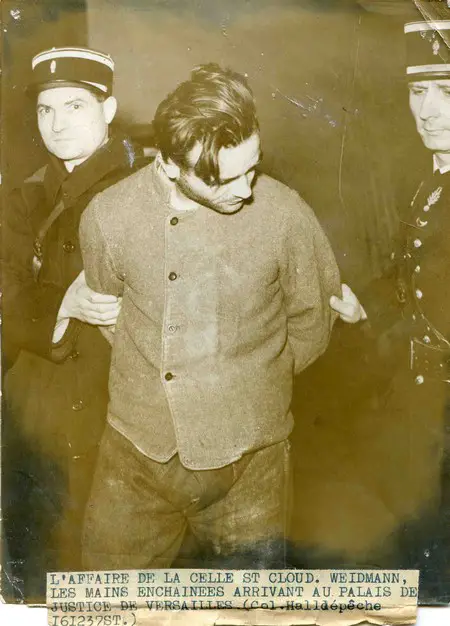
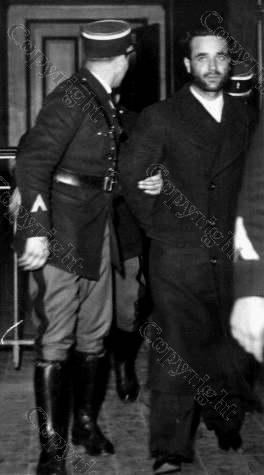
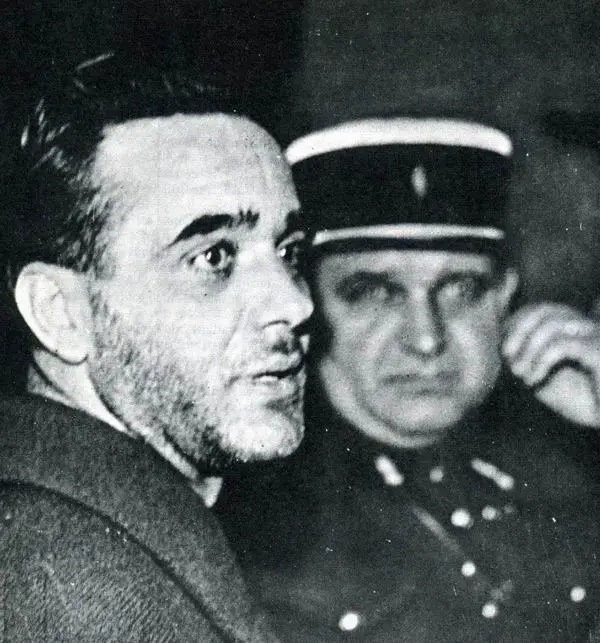
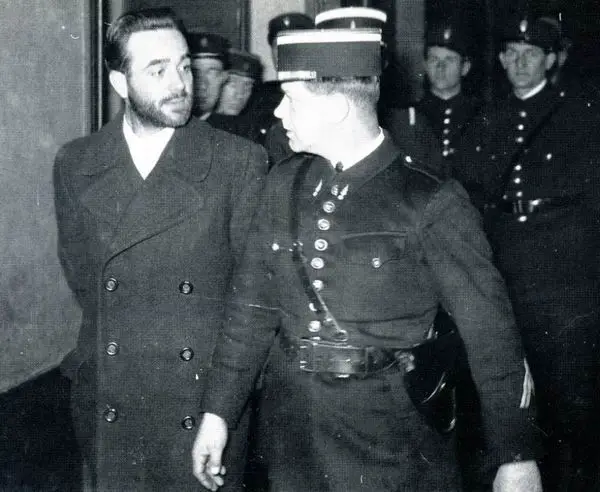
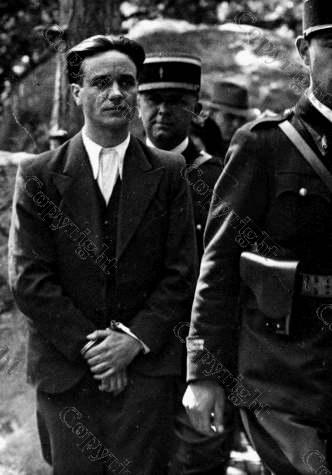
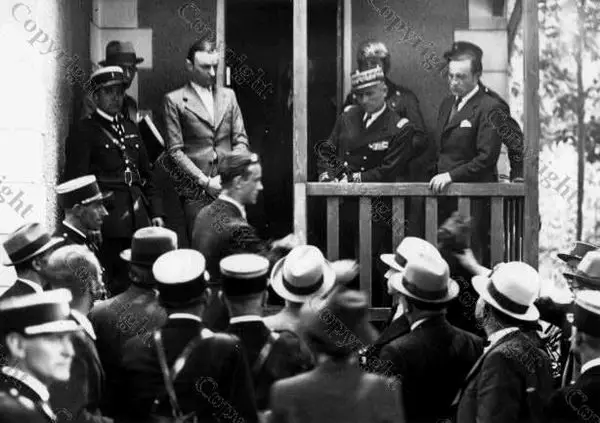
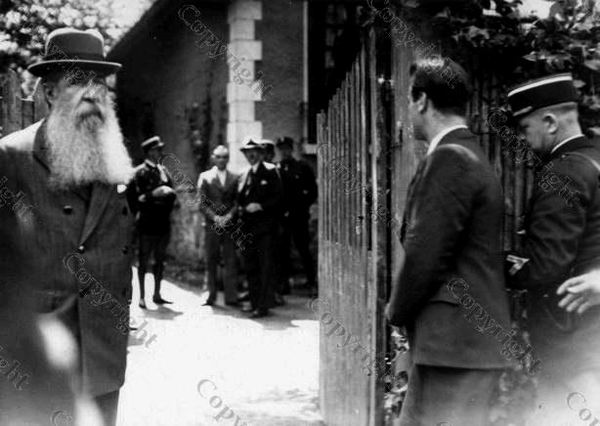
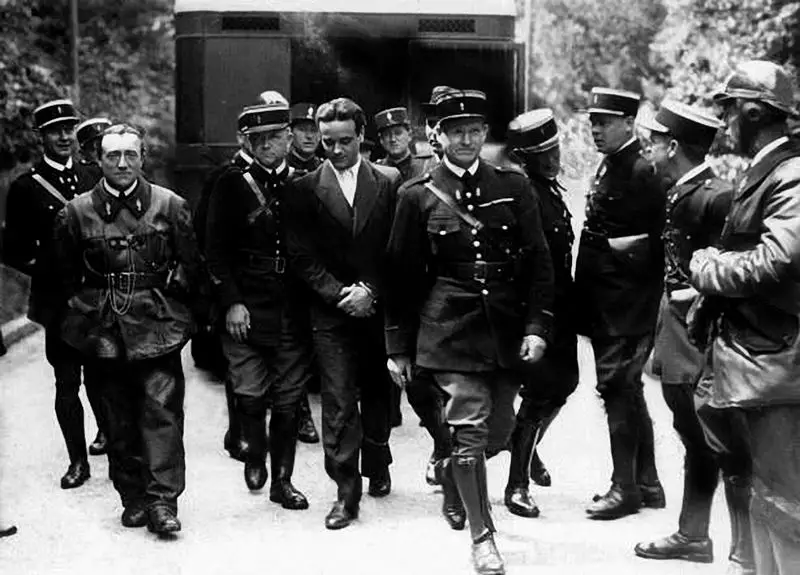
The Sûreté tracked Weidmann to his Saint-Cloud villa following the discovery of a business card at the office of victim Raymond Lesobre. On December 8, 1937, inspectors Poignant and Bourguin confronted Weidmann at the villa. Weidmann opened fire, wounding Poignant, but was eventually subdued by the officers after a violent struggle.
4. Legal Proceedings and Outcome
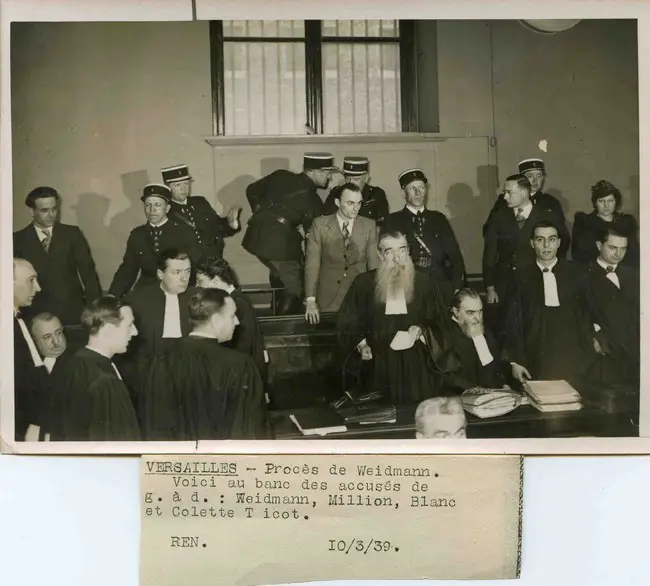
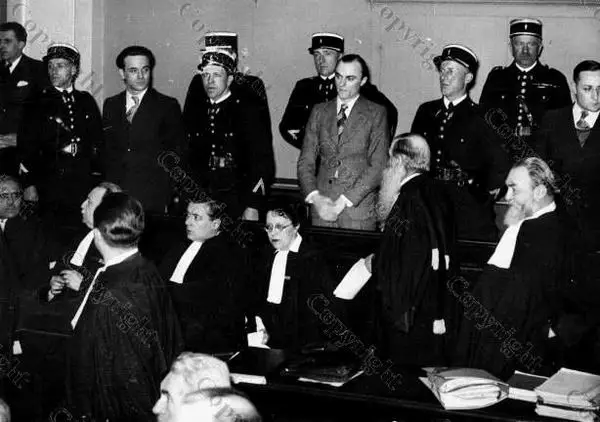
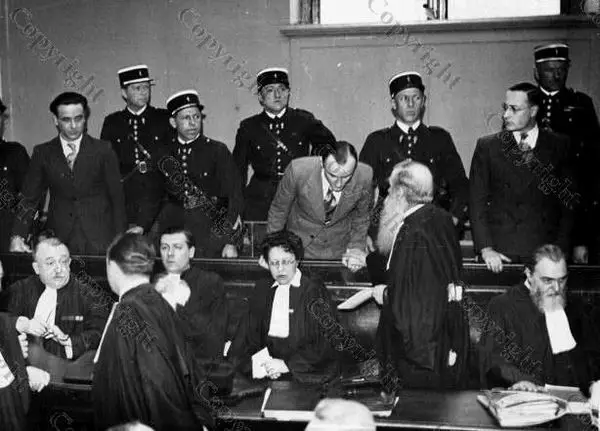
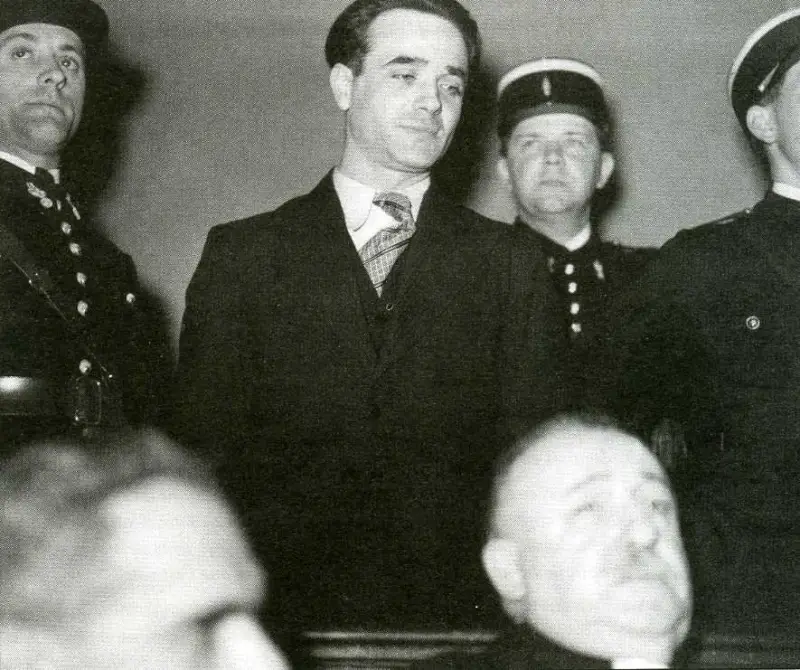
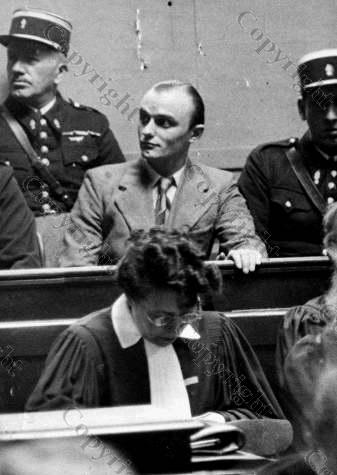
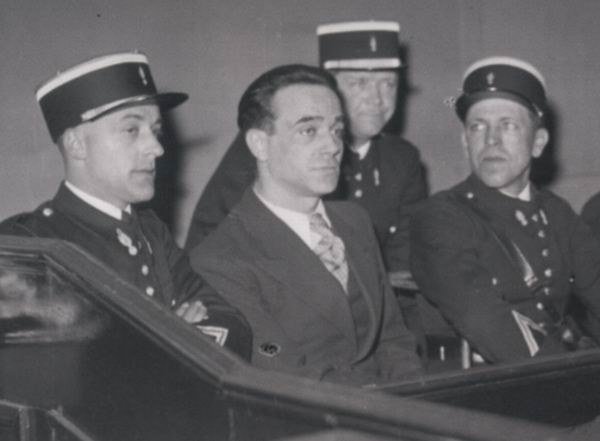
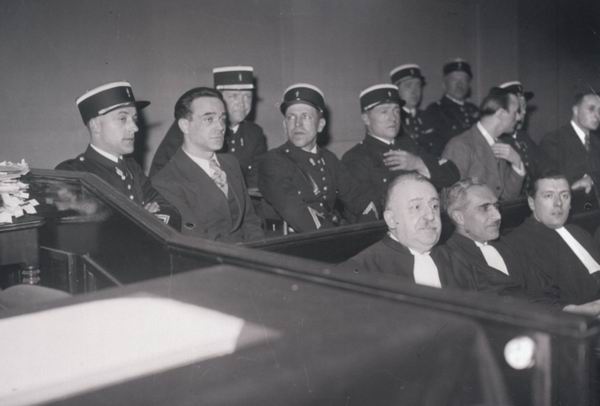
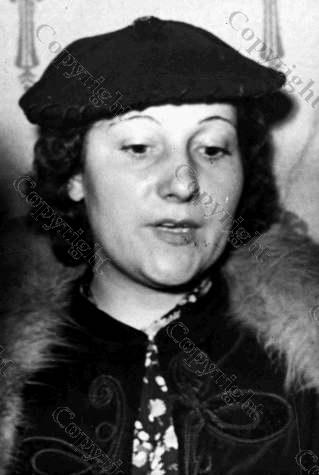
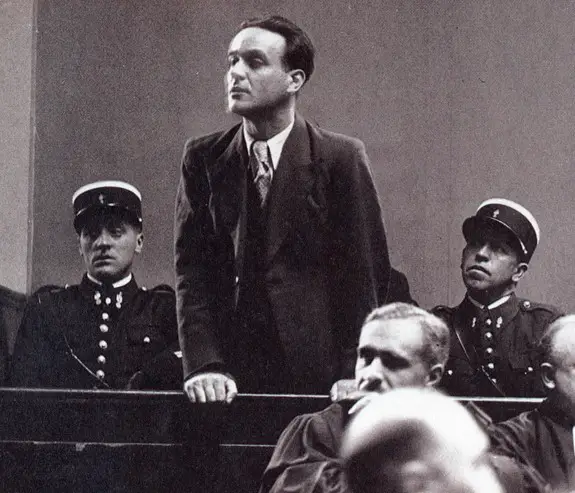
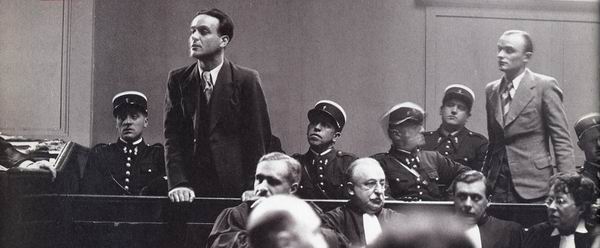
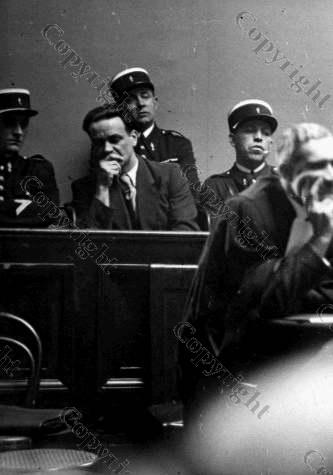
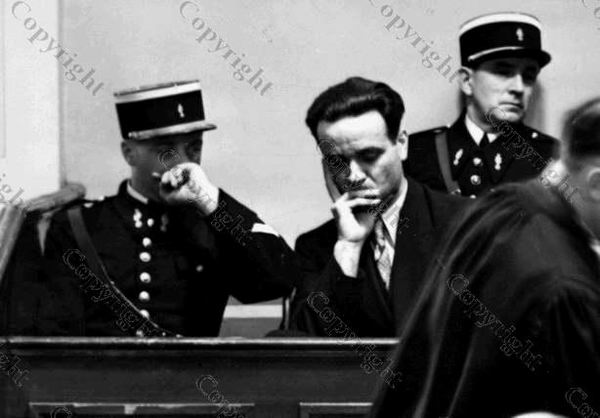
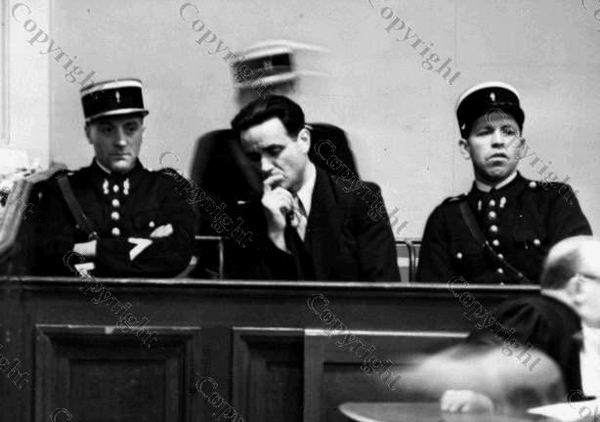
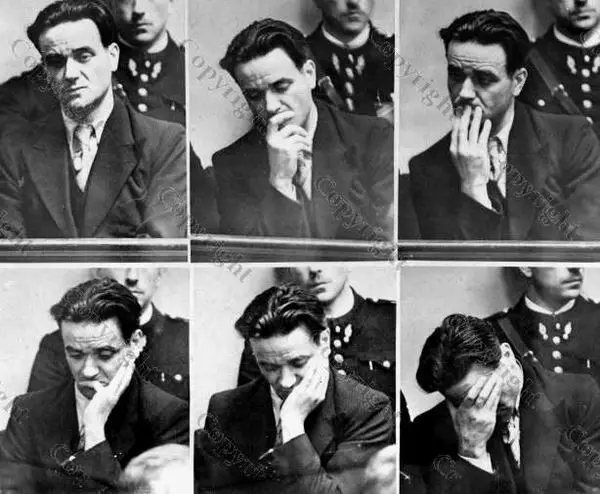
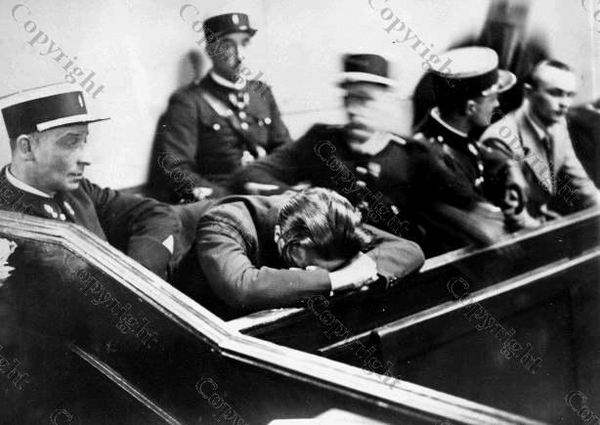
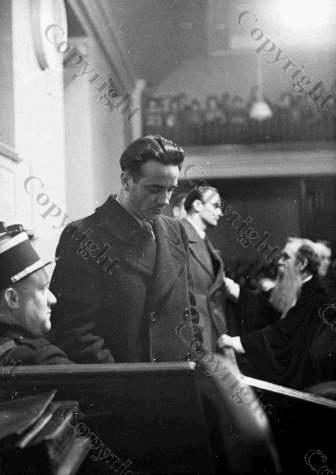
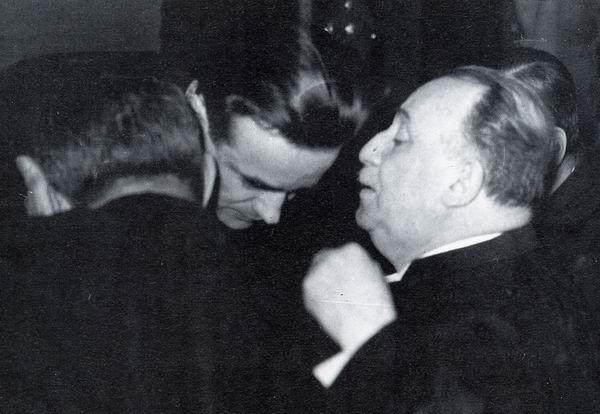
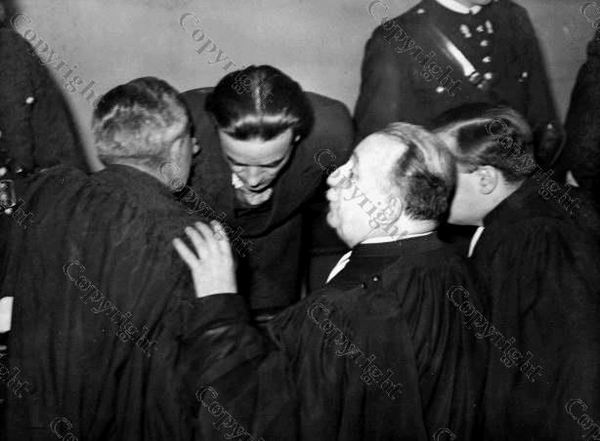
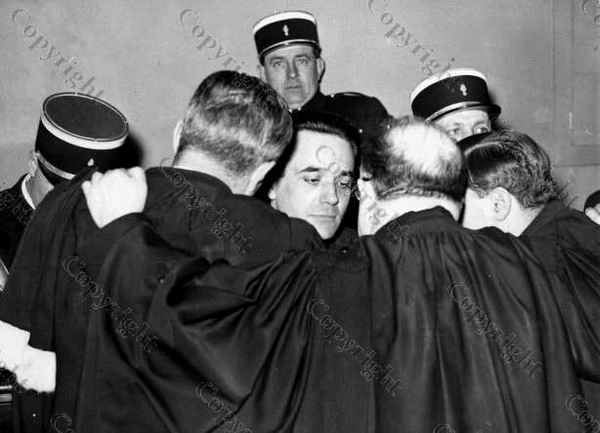
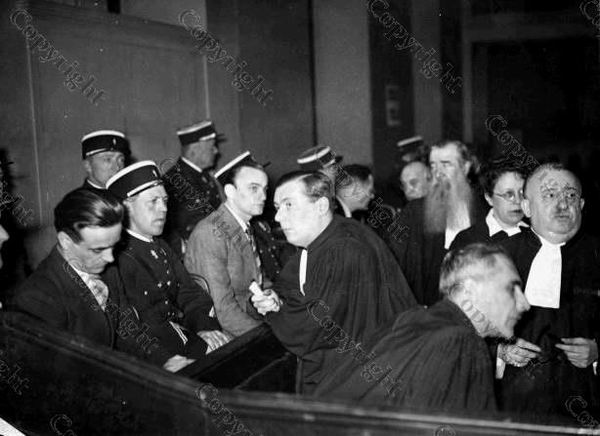
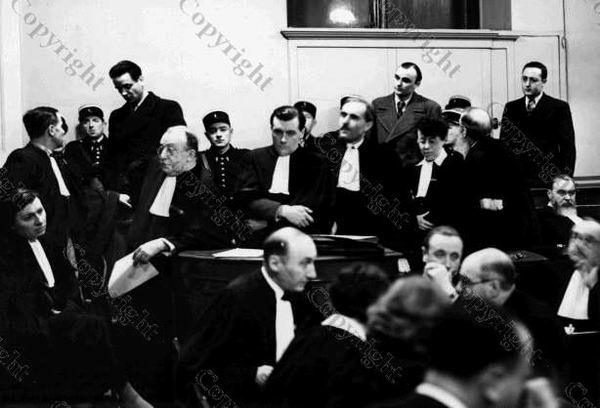
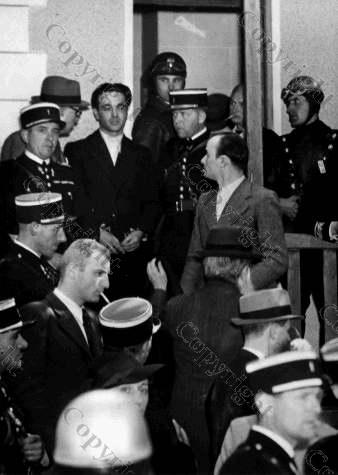
Weidmann confessed to all murders during interrogation. The trial in March 1939 at Versailles drew massive public attention. Weidmann and Roger Million were sentenced to death, though Million's sentence was later commuted to life imprisonment. Jean Blanc received a 20-month sentence, and Collette Tricot was acquitted.
5. Execution and Legacy
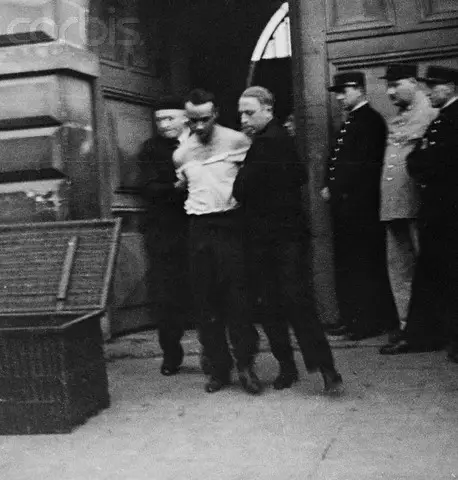
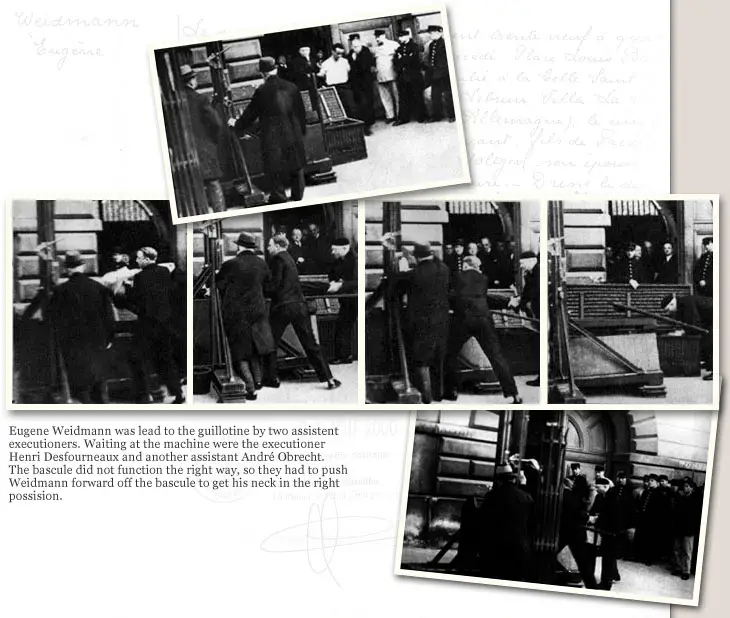
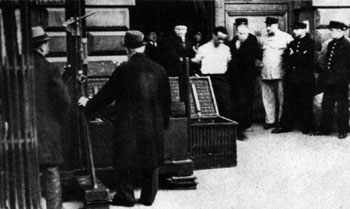
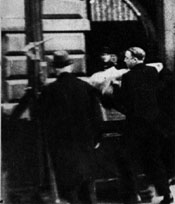
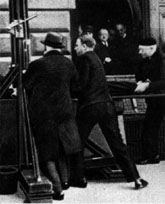
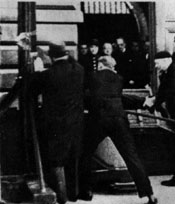
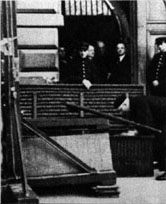
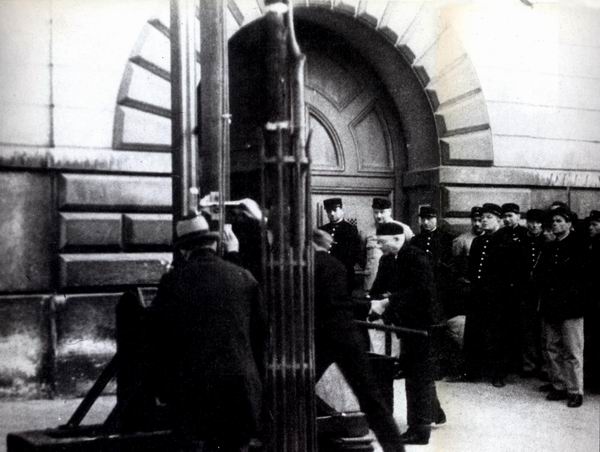
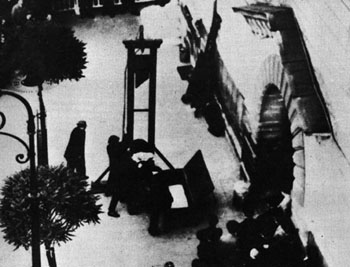
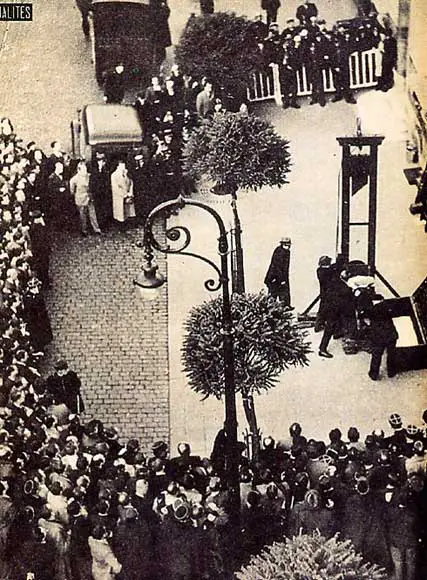
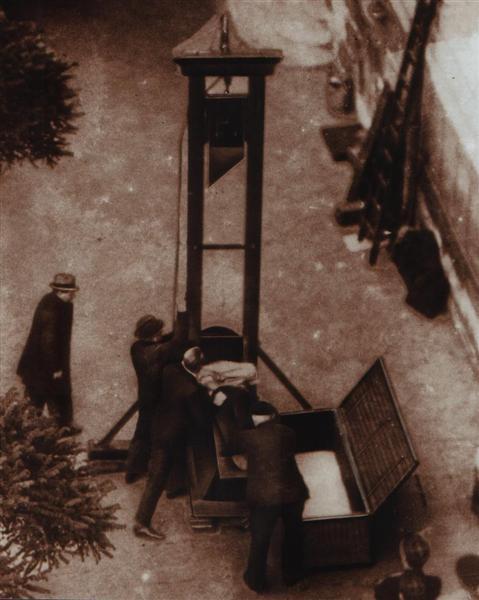
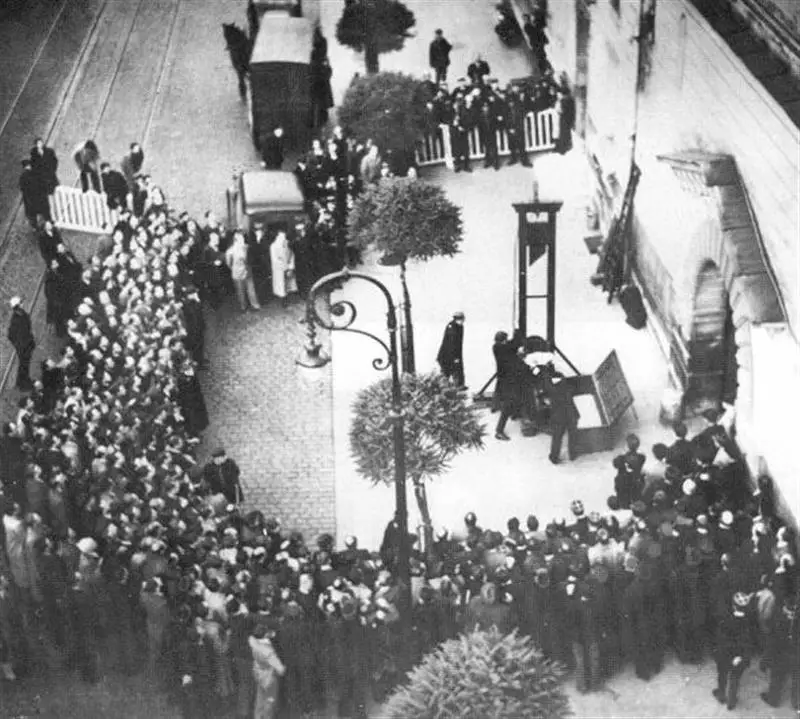
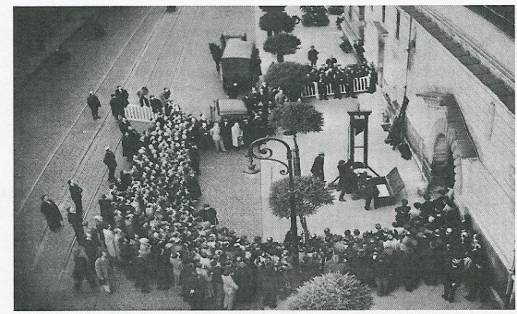
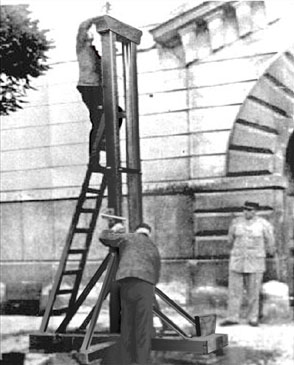
On June 17, 1939, Weidmann was guillotined outside Saint-Pierre prison in Versailles. The event was the final public execution in French history. The chaotic and macabre behavior of the spectators, which included attempts to souvenir the blood, led President Albert Lebrun to immediately ban all future public executions.