Forensic & Criminological Matrix
| Parameter | Forensic Detail |
|---|---|
| Forensic Heading / Aliases | N/A |
| Legal Identity | Jules-Alexandre Ughetto |
| Confirmed Victims | 5 |
| Attributed / Indicted Victims | 5 |
| Active Timeline | December 8, 1928 |
| Jurisdiction / Area of Operations | Valensole, France |
| Criminological Classification | Mass murderer |
| Forensic Modus Operandi | Nighttime home invasion and execution via firearm |
| Weapon / Mechanism of Death | Firearm |
| Motive / Behavioral Dynamics | Robbery and revenge |
| Judicial Outcome | Death penalty by guillotine |
1. Background and Profile
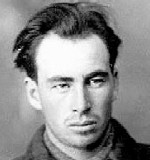
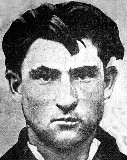
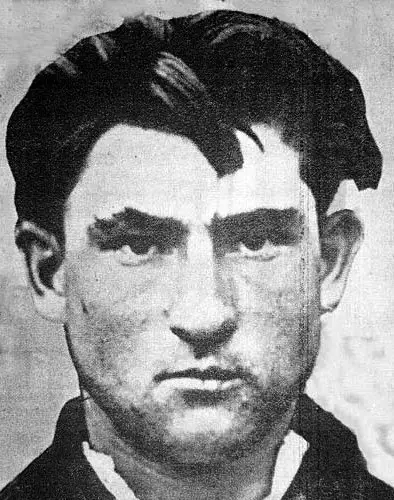
Jules-Alexandre Ughetto was born on December 6, 1910. His criminal profile emerged in the Provence region of France, where he engaged in criminal activities alongside Stephen Mucha. Despite his young age, Ughetto exhibited extreme coldness in the planning and execution of his crimes.
2. Crime Spree
On December 8, 1928, Ughetto and Mucha broke into a farmhouse in Valensole seeking shelter. During the raid, they executed the farmer Richaud, his wife, two children, and a servant in cold blood. The method used was gunfire, resulting in the total annihilation of the family present at the scene.
3. Investigation and Arrest
The crime shocked the local population, who demanded immediate justice. The investigation was intense due to the violent nature of the event. During the trial in Digne, security was heightened, with forty mounted police and seventy foot officers guarding the court to prevent potential lynchings by the enraged public.
4. Legal Proceedings and Outcome
The trial became a significant media event. In a display of Spartan resolve, Ughetto's father demanded the death penalty for his own son before the jury. The prosecutor noted that Stephen Mucha, being five days under sixteen at the time of the murders, was ineligible for the death penalty and was sentenced to twenty years in prison. Ughetto was sentenced to death.
5. Final Disposition
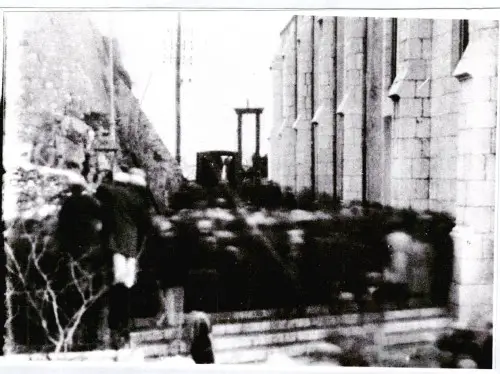
Jules-Alexandre Ughetto was executed by guillotine on January 24, 1930, in Digne-les-Bains. His case remains a notable example of the severity of the French judicial system during that era regarding high-profile violent crimes.