Forensic & Criminological Matrix
| Parameter | Forensic Detail |
|---|---|
| Forensic Heading / Aliases | The Haven Family Killer |
| Legal Identity | Charles Bannon |
| Confirmed Victims | 6 |
| Attributed / Indicted Victims | 6 |
| Active Timeline | 1930 |
| Jurisdiction / Area of Operations | Schafer, North Dakota |
| Criminological Classification | Mass Murderer |
| Forensic Modus Operandi | Summary execution and body concealment |
| Weapon / Mechanism of Death | Firearm and blunt force |
| Motive / Behavioral Dynamics | Financial gain and witness elimination |
| Judicial Outcome | Extrajudicial execution (lynching) |
1. Background and Profile
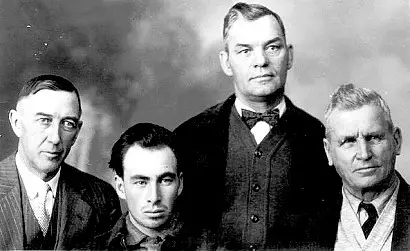
Charles Bannon was a transient individual whose criminal actions in rural North Dakota resulted in a significant historical case of vigilante justice.
2. Criminal Career and Modus Operandi
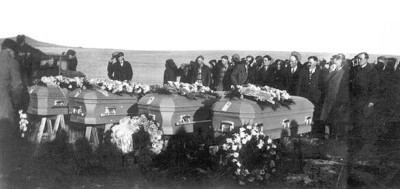
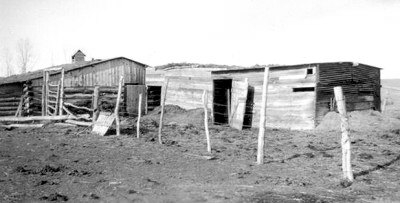
In 1930, Bannon murdered all six members of the Haven family. The crime was motivated by robbery, with Bannon systematically eliminating the entire family to prevent identification and reporting.
3. Investigation and Arrest
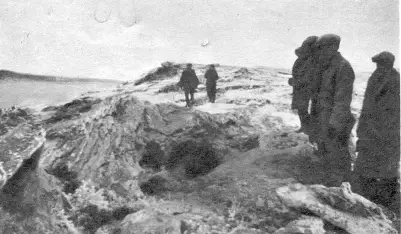
Following the discovery of the victims, local law enforcement quickly identified Bannon as the primary suspect. He was apprehended and held in the Schafer jail pending trial.
4. Legal Proceedings and Outcome
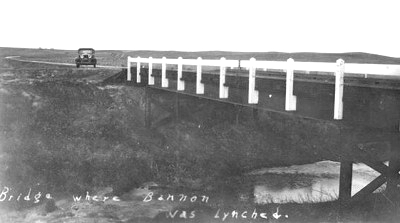
Before a formal trial could conclude, the local community took the law into their own hands. On January 29, 1931, Bannon was abducted from the jail and lynched from a bridge, marking the final instance of lynching in North Dakota history.