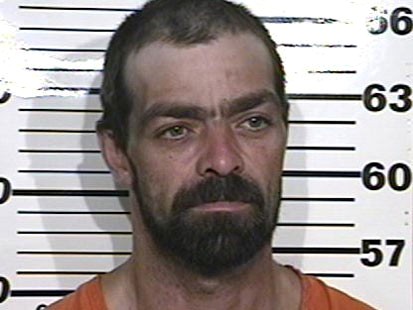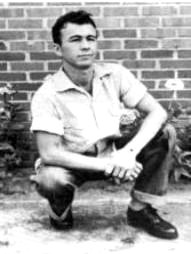





Forensic & Criminological Matrix
| Parameter | Forensic Detail |
|---|---|
| Forensic Heading / Aliases | Pee Wee, The Meanest Man in America |
| Legal Identity | Donald Henry Gaskins Jr. |
| Confirmed Victims | 10 (Judicially established convictions) |
| Attributed / Indicted Victims | 100 to over 200 (Self-confessed in autobiography Final Truth) |
| Active Timeline | 1953 – 1982 |
| Jurisdiction / Area of Operations | Florence County, Prospect, Sumter, South Carolina coastal highways, and Central Correctional Institution (Columbia, SC) |
| Criminological Classification | Hedonic/Sadistic Serial Killer, Inmate Assassin, and Murderer-for-Hire |
| Forensic Modus Operandi | Highway abductions, sadomasochistic sexual assault, bludgeoning, throat-slitting, shallow grave burials, and inmate cell explosive rigging |
| Weapon / Mechanism of Death | Hatchet, knives, poison, firearms, blunt force trauma, strangulation, and dynamite explosive device |
| Motive / Behavioral Dynamics | Primary psychopathy, sexual sadism, murder-for-hire financial gain, revenge, and power control |
| Judicial Outcome | Convicted of 10 counts of capital murder; executed via electric chair on September 6, 1991, in South Carolina |
1. Background and Profile
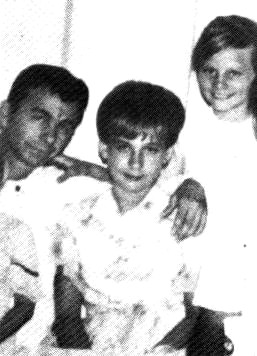
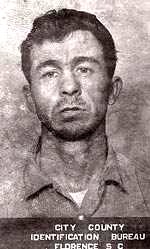
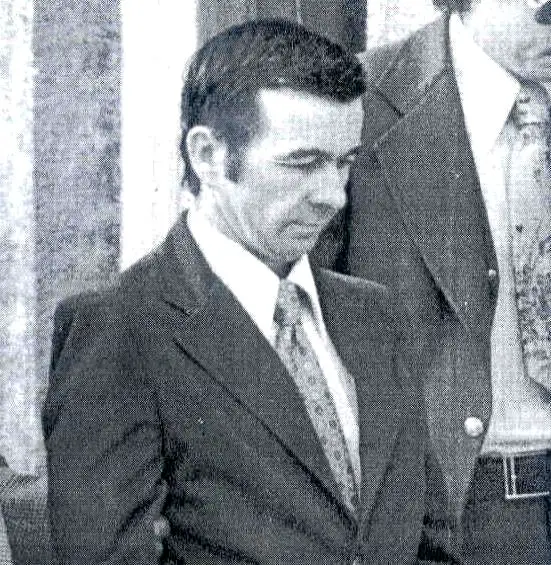
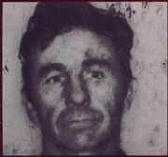
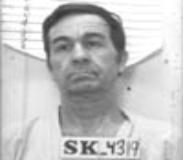
Donald Henry Gaskins Jr. was born on March 13, 1933, in Florence County, South Carolina. Raised in severe poverty and an abusive family environment, Gaskins experienced early emotional neglect and physical trauma. Due to his unusually short stature—standing 5 feet 4 inches tall and weighing under 120 pounds—he acquired the nickname "Pee Wee."
Gaskins exhibited severe antisocial behaviors early in life. At age thirteen, he committed a brutal assault by striking a woman in the head with a hatchet. This incident led to his institutionalization in reformatories and juvenile detention centers. In adult correctional facilities, his small frame made him a frequent target for physical and sexual violence from older inmates.
To establish defense mechanisms within the penal system, Gaskins adopted extreme lethal retaliation. During a prison sentence in the 1950s for assault and statutory rape, Gaskins ambushed and fatally stabbed a prominent inmate while the man was using the toilet. This act established a dangerous reputation that insulated him from further inmate aggression throughout his incarceration.
2. Criminal Career and Modus Operandi
Following his parole in 1969, Gaskins initiated an extensive serial murder spree across the American South. He operated an illegal auto-fencing and salvage business across properties in the Carolinas, using these remote locations as execution sites and burial grounds.
Criminologically, Gaskins categorized his homicides into two operational modes:
- "Coastal Kills": Thrill-driven homicides executed roughly every six weeks along South Carolina's coastal highways. Gaskins targeted hitchhikers, young women, and stranded travelers, subjecting them to abduction, sexual torture, and mutilation before killing them and concealing their bodies in waterways or shallow graves.
- "Serious Murders": Target-specific killings committed against acquaintances, family members, or business associates for personal revenge, financial benefit, or witness elimination.
His confirmed victims included his niece Janice Kirby (15) and her friend Patricia Ann Alsobrook (15), whom he bludgeoned to death in Sumter in 1970 following a dispute. In September 1975, Gaskins abducted and murdered 13-year-old Kim Gehlken. His victimology spanned men, women, teenagers, and at least one infant, utilizing methods ranging from stabbing and strangulation to blunt force trauma.
3. Police Investigation and Forensic Hunt
The law enforcement investigation into Gaskins intensified in late 1975 following the disappearance of Kim Gehlken. A criminal associate, Walter Neeley, provided critical testimony to law enforcement, revealing Gaskins' involvement in multiple unsolved disappearances and pinpointing burial sites on Gaskins' land.
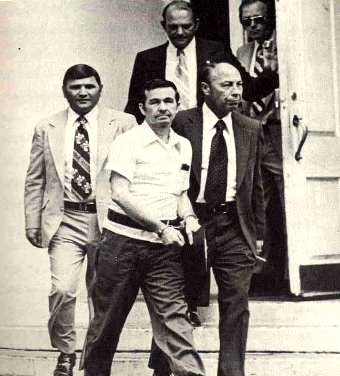
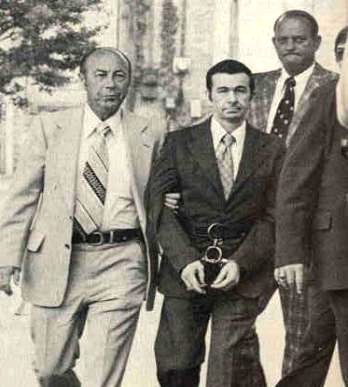
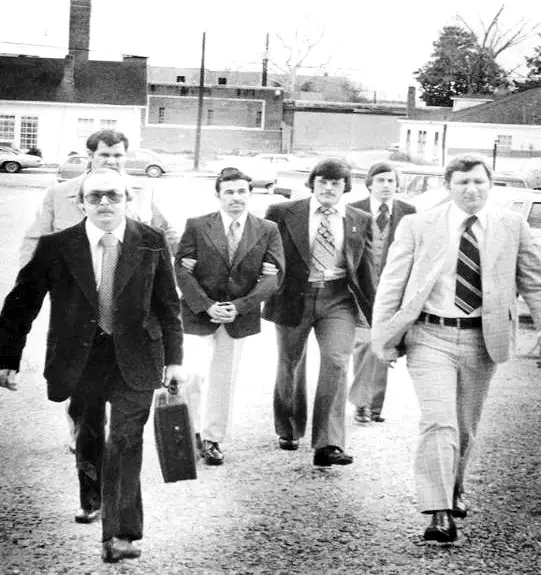
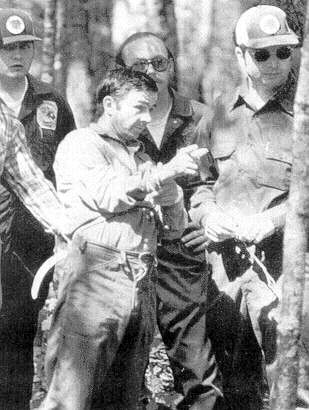
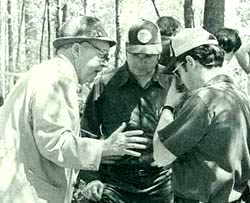
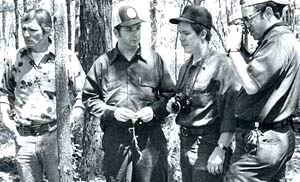
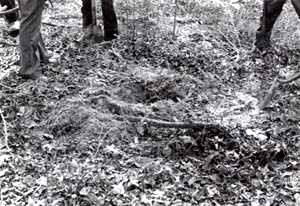
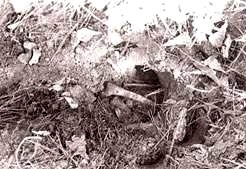
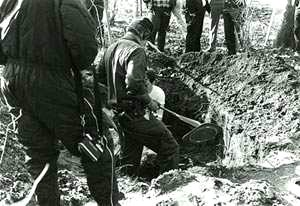
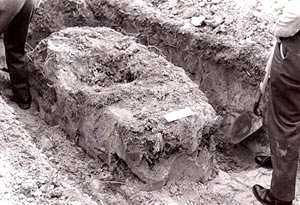
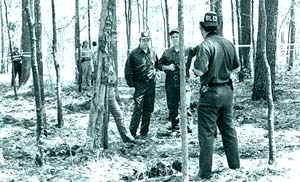
On December 4, 1975, state investigators from the South Carolina Law Enforcement Division (SLED) and local sheriffs excavated Gaskins' property in Prospect, South Carolina. Forensic teams recovered eight bodies buried in shallow graves, including the remains of Gehlken and several individuals reported missing over the preceding years.
Autopsies revealed extensive traumatic lesions, cranial fractures, and cervical lacerations consistent with bludgeoning and sharp-force violence. Gaskins was taken into custody and charged with multiple counts of murder.
4. Detention and Judicial Proceedings
In 1976, Gaskins was convicted of eight counts of murder and sentenced to death. However, following legal challenges to South Carolina's capital punishment statutes in the wake of U.S. Supreme Court rulings, his death sentences were commuted to ten consecutive life terms in prison.
Gaskins was incarcerated at the Central Correctional Institution (CCI) in Columbia, South Carolina. In 1982, while held in maximum security, Gaskins engaged in a murder-for-hire plot. Tony Cimo—whose parents, Bill and Myrtie Moon, had been murdered during an armed robbery by death row inmate Rudolph Tyner—hired Gaskins through an intermediary (Jack Martin) to execute Tyner inside the prison.
After failed attempts to poison Tyner's food supply, Gaskins constructed a improvised explosive device (IED) concealed inside a plastic cup modified as a radio speaker. Assisted by inmate runner James Arthur Brown, Gaskins delivered the device to Tyner's adjoining cell, claiming it was a wired intercom system. When Tyner held the speaker to his ear and plugged the electrical cord into the wall outlet, the dynamite detonated, causing fatal cranial injuries. The stunt earned Gaskins national notoriety as "The Meanest Man in America."
Gaskins was tried for capital murder as an accessory and principal in the contract bombing of Rudolph Tyner. The Richland County Court of General Sessions found him guilty, applying statutory aggravating factors of prior murder convictions and murder-for-hire, and sentenced him to death.
5. Psychiatric Assessment and Execution
Psychiatric evaluations conducted during Gaskins' incarcerations diagnosed him with severe Antisocial Personality Disorder, primary psychopathy, and structured sexual sadism. He demonstrated complete absence of remorse and a grandiose rationalization of his crimes.
In his posthumous autobiography Final Truth (co-authored with journalist Wilton Earle), Gaskins claimed to possess a "special mind" that granted him "permission to kill." He confessed to over 110 homicides and alleged a career total exceeding 200 victims, though law enforcement authorities formally verified 10 murder convictions.
Following federal habeas corpus appeals affirming his conviction (Gaskins v. McKellar, 916 F.2d 941; Gaskins v. Evatt, 943 F.2d 49), his death warrant was finalized. On September 6, 1991, at 1:10 a.m., Donald Henry Gaskins Jr. was executed via electric chair at Broad River Correctional Institution in Columbia, South Carolina. Hours prior to his execution, Gaskins attempted suicide by slashing his wrists with a razor blade hidden in his cell, requiring emergency medical treatment before being transferred to the execution chamber.