

Forensic & Criminological Matrix
| Parameter | Forensic Detail |
|---|---|
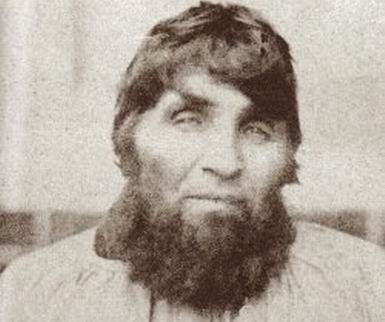
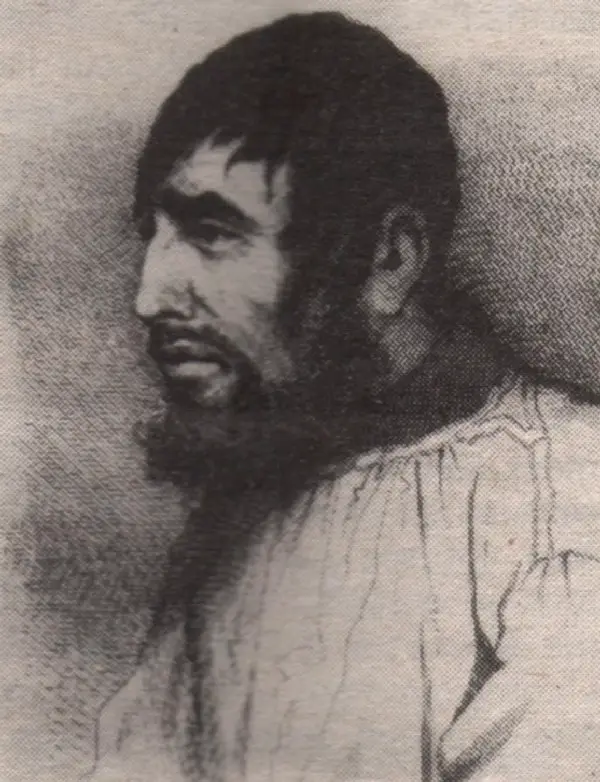
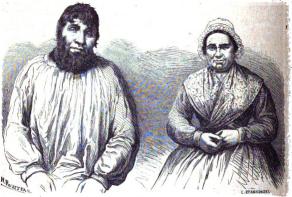
| Full Legal Name | Martin Dumollard. |
| Historic Moniker | The Maidservant Killer (L'assassin des bonnes) / The Ogre of Dagneux. |
| Criminological Milestone | Widely recognized as France's first modern predatory serial killer. |
| Criminological Typology | Utilitarian predatory serial killer / Itinerant ambush strangler. |
| Active Period | 1853 – 1861. |
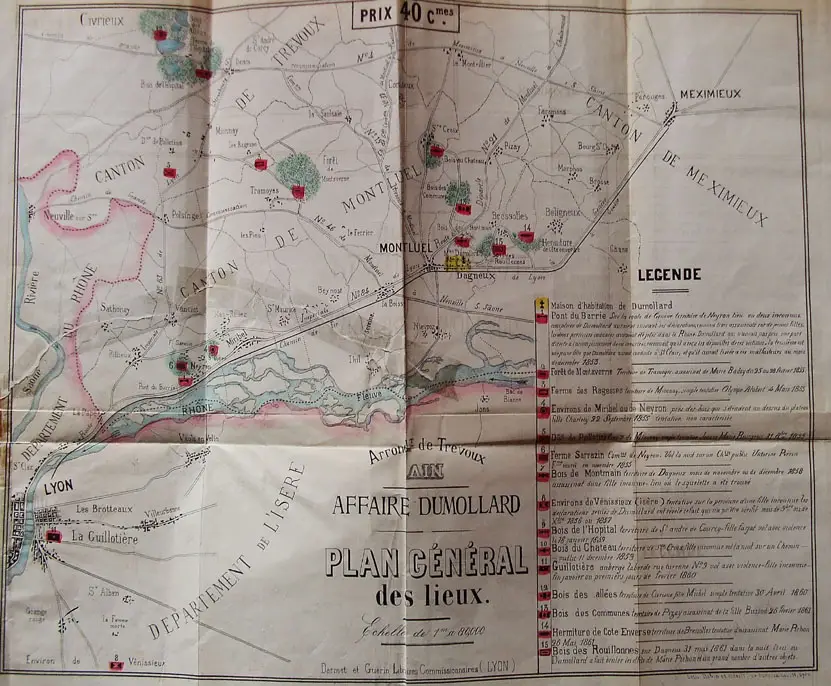
| Jurisdictions | Train stations and public markets of Lyon (Rhône) and isolated rural forests of Dagneux, Tramoyes, and Montluel (Ain Department), France. |
| Confirmed Victims | 6 verified murders proven in court; multiple documented surviving assault victims, and an estimated 12 or more missing maidservants across the Rhône valley. |
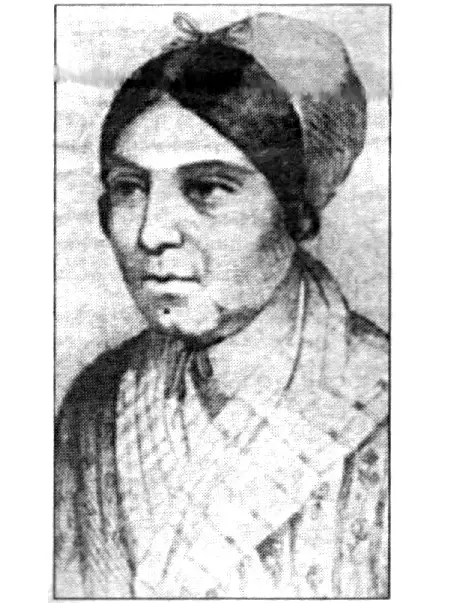
| Accomplice | His wife, Marie-Anne Cottichard (receiver, alterer, and reseller of victims' stolen clothing). |
| Modus Operandi | Approaching naive young peasant girls at railway hubs, posing as a wealthy country retainer offering lucrative maidservant positions; escorting them on local trains into desolate rural woodlands after dusk; ambush ligature strangulation from behind with a cord or blunt cranial striking; stripping corpses of cash and luggage. |
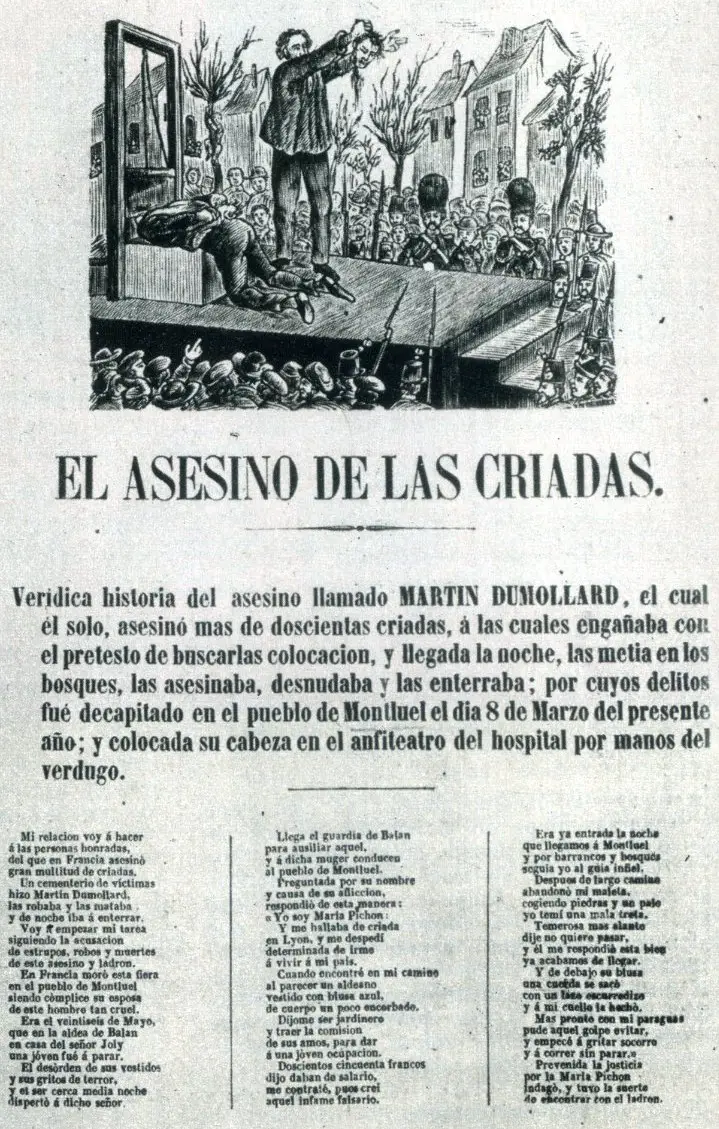
| Judicial Penalty | Capital execution by guillotine. Executed publicly at Montluel on March 8, 1862. His wife received 20 years of penal servitude. |
Background and Socio-Industrial Context
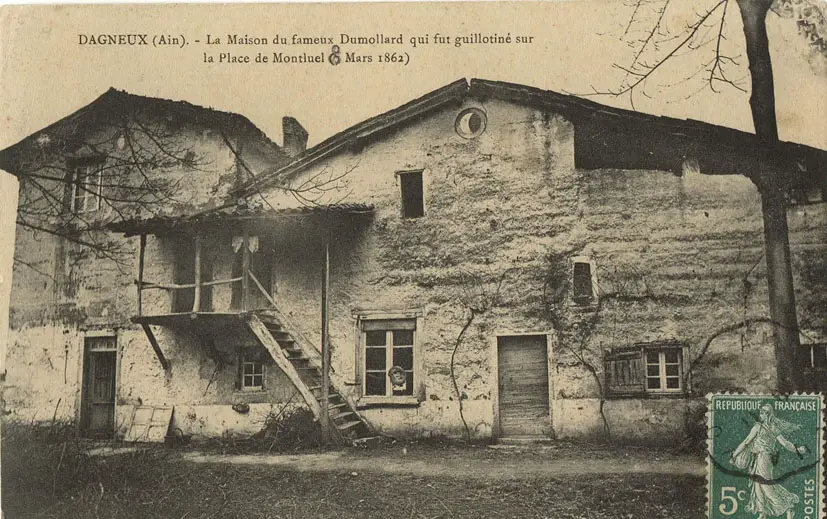
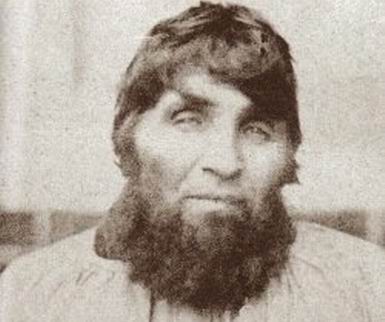
Martin Dumollard was born in Tramoyes on April 21, 1810. His youth was shadowed by severe social marginalization: his father, an Austrian-Hungarian military deserter, had been executed abroad during Martin's infancy. A taciturn, stocky day-laborer, Dumollard married Marie-Anne Cottichard in 1840, establishing a secluded homestead in Dagneux.
During the mid-19th century, the rapid industrialization of Lyon attracted thousands of naive, impoverished young countrywomen from neighboring rural departments seeking employment as domestic maids in wealthy urban households. Dumollard recognized that these young women were exceptionally vulnerable targets: isolated from family, eager for work, and traveling with all their worldly possessions packed in small trunks.
The Prowling Grounds and Forest Ambush (1853–1861)
For over eight years, Dumollard frequented Lyon's Perrache train station and central thoroughfares. Approaching recently arrived servant girls, he presented himself as a trusted majordomo representing a wealthy aristocratic countryside estate, offering high wages exceeding 300 francs annually.
Overjoyed, the young women boarded local commuter trains with him toward Montluel. After disembarking at nightfall, Dumollard led them along dark paths across the marshes and groves of the Dombes plateau. Once secluded, he ambushed the victims from behind, slipping a knotted cord around their necks and strangling them while fracturing their skulls with a cudgel.
He looted their purses and baggage, dumping the bodies in shallow drainage ditches. He carried the trunks of dresses, skirts, petticoats, and shoes to his cottage, where his wife Marie-Anne unpicked identification monograms and resold the garments at provincial markets.
The Escape of Marie Pichon and the Charnel Cache
On May 26, 1861, Dumollard lured a 21-year-old domestic servant named Marie Pichon into the woods near Dagneux. As he tightened a noose around her neck, Pichon fought back fiercely, broke free, and fled through the dark to a farmhouse.
Local gendarmes easily recognized the suspect from Pichon's description of his harelip and heavy corduroy coat. Dumollard was arrested on June 3, 1861.
A forensic search of his Dagneux cottage stunned authorities: hidden inside wardrobes, chests, and floorboards were more than 1,250 female garments, including dresses, petticoats, shawls, and 60 pairs of women's shoes belonging to dozens of disappeared servants.
Trial, Guillotine, and Phrenological Legacy
The January 1862 trial at Bourg-en-Bresse was a sensational national event, with families from across France traveling to inspect the displayed clothing. Although Dumollard attempted to deflect blame onto mysterious Lyon conspirators, prosecutors proved his sole predatory responsibility.
On February 1, 1862, Martin Dumollard was sentenced to death. His wife Marie-Anne was sentenced to twenty years hard labor, dying in custody in 1875.
On the freezing morning of March 8, 1862, Dumollard was publicly guillotined in the town square of Montluel before thousands of spectators. His severed skull was retained for scientific cranial study and remains preserved at the Testut-Latarjet Museum of Anatomy in Lyon.