



Forensic & Criminological Matrix
| Parameter | Forensic Detail |
|---|---|
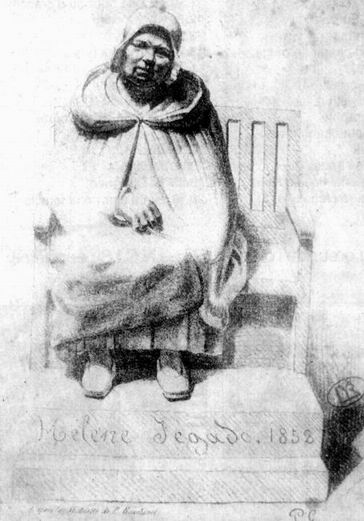
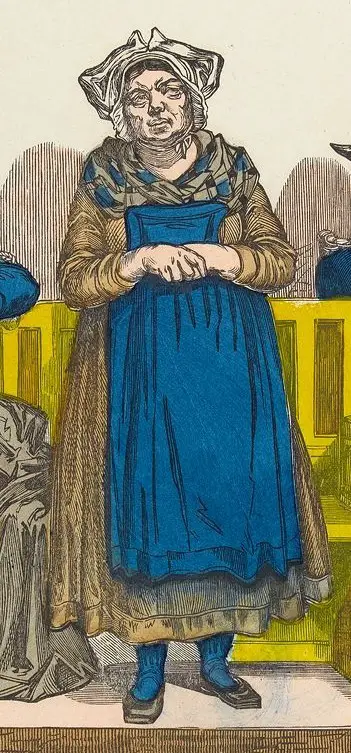
| Forensic Heading / Aliases | The Poisoner of Brittany |
| Legal Identity | Hélène Jégado |
| Confirmed Victims | 3 (suspected up to 36) |
| Active Timeline | 1833 - 1851 |
| Jurisdiction / Area of Operations | Brittany and Paris, France |
| Criminological Classification | Domestic Serial Killer / Poisoner |
| Forensic Modus Operandi | Introduction of arsenic into soups, broths, and prepared meals while employed as a cook and maid |
| Weapon / Mechanism of Death | Arsenic trioxide (ingested poison) |
| Motive / Behavioral Dynamics | Pathological compulsion, kleptomania, and gratification derived from attending victims' funerals |
| Judicial Outcome | Sentenced to death by guillotine (executed February 26, 1852) |
1. Background and Profile
Born in Brittany, France, in 1803, Hélène Jégado grew up in modest rural circumstances. She integrated into society as a domestic servant and cook in various bourgeois households and religious institutions. Unbeknownst to her employers, Jégado harbored a morbid fascination with death, mourning rituals, and funerals, which served as the psychological underpinning for her extended criminal career.
2. Crime Spree and Modus Operandi
Jégado's modus operandi relied on her position of trust as a domestic cook. She systematically laced soups, stews, and desserts with arsenic trioxide—a readily accessible compound in rural and domestic settings during the 19th century. Her criminal timeline spans two distinct phases: an initial wave between 1833 and 1841 in Brittany, followed by a hiatus, and a final murderous spree in 1851 in and around Paris.
3. Investigation and Forensic Pursuit
For years, Jégado operated undetected because the symptoms of chronic and acute arsenic poisoning closely resembled prevalent gastrointestinal illnesses of the era. Suspicion finally crystallized in 1851 following a series of sudden deaths within a professor's household in Rennes. Forensic authorities ordered exhumations, leading to the chemical detection of lethal doses of arsenic in multiple exhumed remains.
4. Legal Proceedings and Outcome
Jégado was arrested in July 1851. Her trial before the Assize Court of Ille-et-Vilaine in early 1852 exposed a trail of unexplained deaths spanning nearly two decades. Despite her persistent denials, toxicological analysis and witness testimonies cemented her guilt.
5. Psychiatric Assessment and Execution
Found guilty on multiple counts of premeditated murder by poisoning, Hélène Jégado was condemned to death. She was publicly executed by guillotine in Rennes on February 26, 1852. Her case remains one of the most significant historical examples of domestic serial murder and toxicological investigation in France.