



Forensic & Criminological Matrix
| Parameter | Forensic Detail |
|---|---|
| Forensic Heading / Aliases | The Monster |
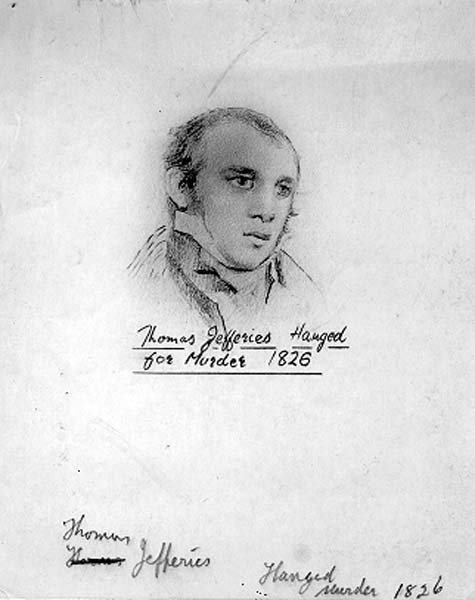
| Legal Identity | Thomas Jeffrey |
| Confirmed Victims | 5 |
| Attributed / Indicted Victims | 5 |
| Active Timeline | 1825-1826 |
| Jurisdiction / Area of Operations | Launceston, Van Diemen's Land (Tasmania) |
| Criminological Classification | Bushranger / Serial Killer |
| Forensic Modus Operandi | Armed robbery, kidnapping, and violent execution |
| Weapon / Mechanism of Death | Firearm (musket) |
| Motive / Behavioral Dynamics | Psychopathy, dehumanization, cannibalism |
| Judicial Outcome | Death sentence by hanging |
1. Background and Profile
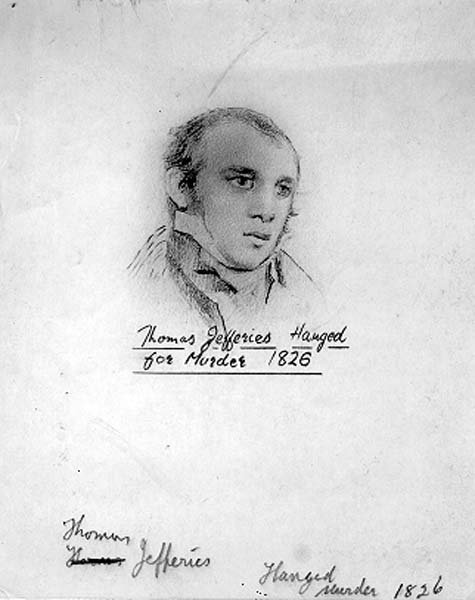
Thomas Jeffrey, historically recorded as Mark Jefferies, was a British convict transported to Van Diemen's Land. His criminal profile is marked by extreme violence following his escape from the Launceston watch-house in December 1825. He became infamous for his total lack of empathy and acts of cannibalism.
2. Criminal Career and Modus Operandi
Jeffrey led a gang of bushrangers that terrorized rural settlements. His modus operandi involved raiding settler huts, kidnapping women and children, and committing cold-blooded murder. His most heinous act was the murder of a five-month-old infant. Furthermore, he was documented to have killed a fellow gang member while he slept to consume his flesh, an act that shocked colonial society.
3. Investigation and Arrest
Following the attack on the Tibbs residence, a massive manhunt was launched. Mrs. Tibbs, who survived the ordeal, provided key testimony regarding Jeffrey's cruelty. He was known to call himself 'Captain' and was identified by his distinctive attire, including a long black coat and kangaroo skin cap. He was captured in January 1826.
4. Legal Proceedings and Outcome
Jeffrey was tried in Hobart before Chief Justice Pedder. The trial was characterized by the harrowing testimony of survivors. He was found guilty of multiple murders, including the killing of constable Magnus Bakie. He was sentenced to death in May 1826.
5. Behavioral Dynamics and Execution
While in prison, Jeffrey claimed to have found religion under the guidance of Reverend Bedford. However, his history of extreme violence and cannibalism points to severe psychopathy. He was executed by hanging on May 4, 1826, publicly attributing his downfall to the vice of drunkenness.