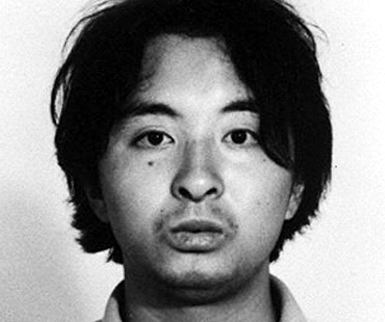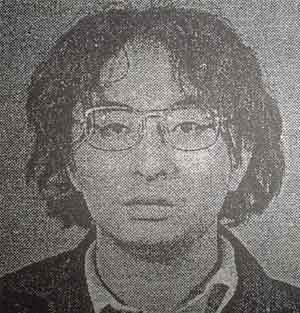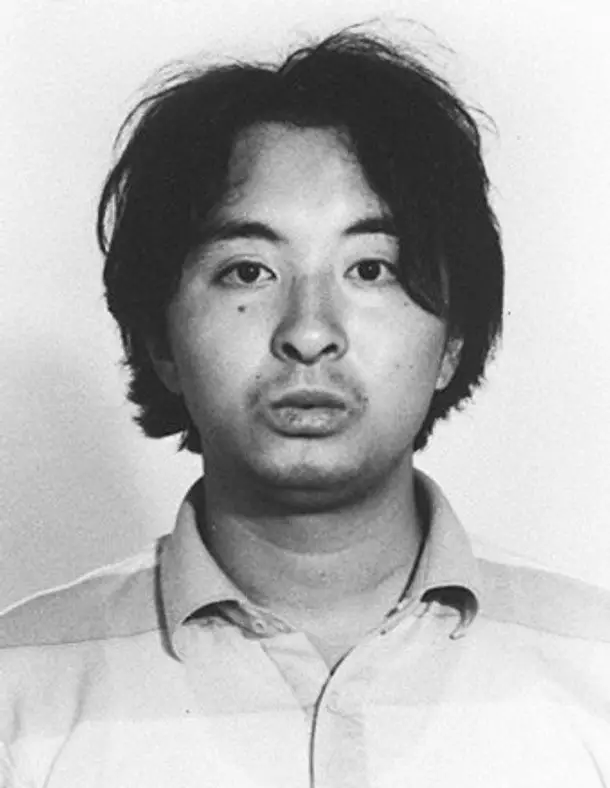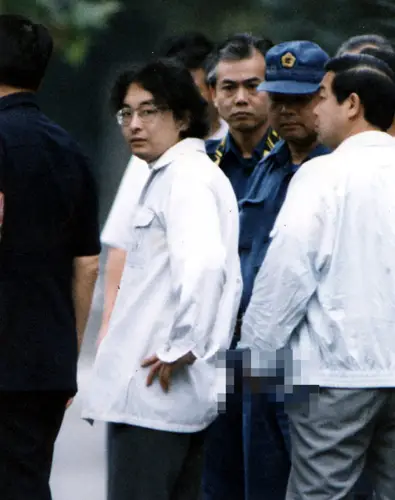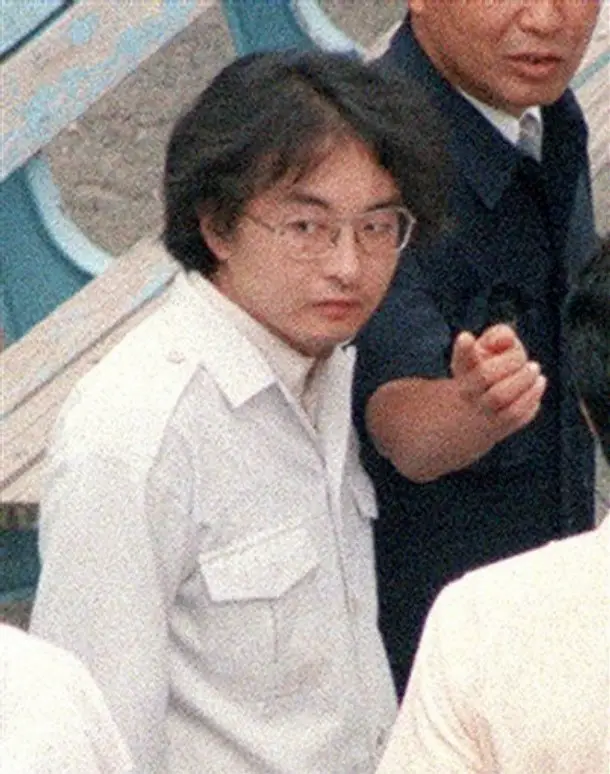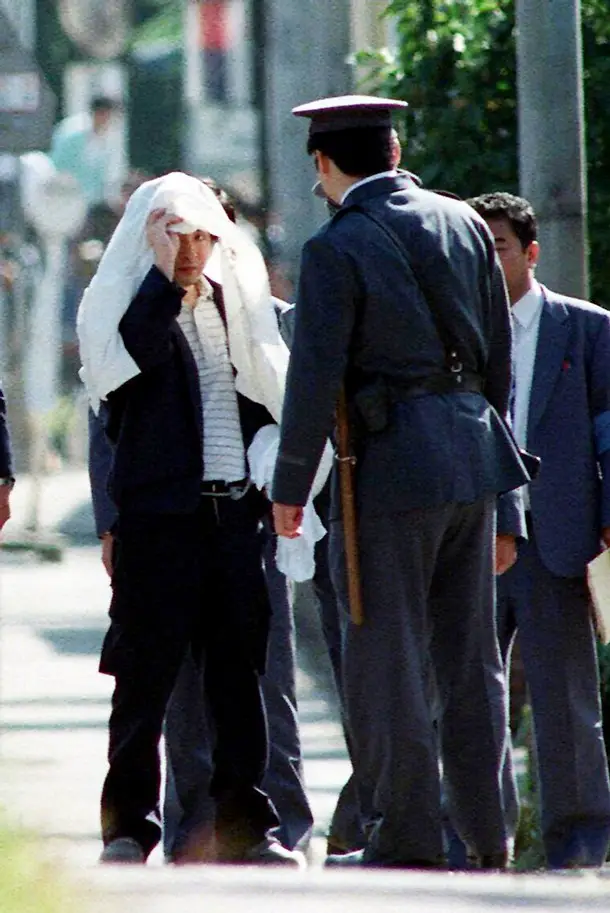


Forensic & Criminological Matrix
| Parameter | Forensic Detail |
|---|---|
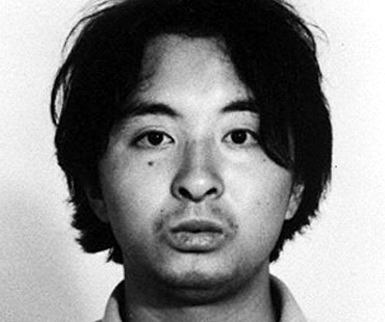
| Full Legal Name | Tsutomu Miyazaki (宮﨑 勤) |
| Criminological Monikers | The Otaku Murderer, Dracula, The Saitama Child Killer, Little Satan |
| Nationality | Japanese |
| Date of Birth | August 21, 1962, Itsukaichi (now Akiruno), Tokyo, Japan |
| Date of Execution | June 17, 2008 (aged 45), Tokyo Detention House, Katsushika, Tokyo, Japan |
| Execution Method | Judicial hanging pursuant to Japanese penal statutory law |
| Active Homicide Period | August 1988 – June 1989 |
| Strike Jurisdictions | Saitama Prefecture and western suburban Tokyo |
| Confirmed Fatal Victims | 4 female juveniles (aged 4 to 7 years) |
| Victims' Identities | Mari Konno (4), Masami Yoshizawa (7), Erika Namba (4), Ayako Nomoto (5) |
| Physical Pathology | Congenital bilateral radioulnar synostosis (fused wrist bones precluding upward palm rotation) |
| Forensic Signatures | Asphyxiation, prolonged post-mortem necrophilia, cannibalism, VHS video documentation, anonymous taunting letters |
| Criminological Legacy | Sparked a nationwide moral panic regarding the otaku subculture; 5,763 VHS tapes seized from bedroom |
Physical Deformity and Compulsive Psychological Isolation
Tsutomu Miyazaki was born prematurely in Itsukaichi, Tokyo, into a prosperous local newspaper publishing family. He was born with a severe congenital physical anomaly: bilateral radioulnar synostosis, a skeletal malformation that permanently fused his forearm bones, preventing him from supinating his wrists or turning his palms upward.
This disability rendered him the subject of relentless childhood torment and ostracization. Disdained by his authoritarian father, who considered his son's physical deformity a familial disgrace, Miyazaki found exclusive emotional sanctuary with his paternal grandfather. When his grandfather died in May 1988, Miyazaki suffered a catastrophic psychiatric breakdown, clandestinely exhuming his grandfather's cremated bone fragments and ingesting them in a magical thinking ritual to internalize his spirit.
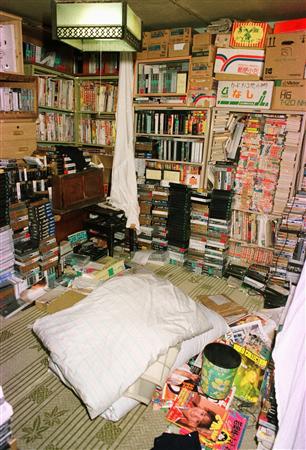
Withdrawn inside his bedroom, he developed a compulsive addiction to manga, anime, and extreme slasher/gore cinema, amassing an astonishing archive of over 5,700 VHS tapes that walled off his living space from floor to ceiling, incubating predatory sadistic urges targeting vulnerable young girls.
The Tokyo and Saitama Child Murders (1988–1989)
Between August 1988 and June 1989, operating from his white Nissan Langley sedan, Miyazaki executed four child abductions and homicides:
- Mari Konno (aged 4): Abducted on August 22, 1988, in Iruma, Saitama. Miyazaki drove her to a secluded forest, suffocated her, engaged in post-mortem necrophilia, and abandoned the body.
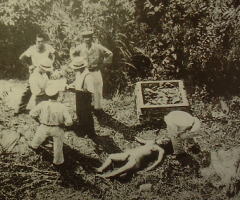
- Masami Yoshizawa (aged 7): Abducted on October 3, 1988, in Hannō, Saitama. After manual strangulation, he sexually assaulted the corpse and concealed her remains in nearby brush.
- Erika Namba (aged 4): Kidnapped on December 9, 1988, in Kawagoe. Suffocated inside his vehicle, her corpse was discarded in a residential complex parking structure.
- Ayako Nomoto (aged 5): Snatched on June 6, 1989, in Koto, Tokyo. Miyazaki murdered her, dismembered her body inside his residential bathroom, cooked and consumed flesh from her hands, ingested her blood, and buried her severed head in Itsukaichi.
Psychological Warfare and the "Yuko Imada" Missives
Miyazaki unleashed calculated psychological terror upon the victims' families. In February 1989, he left a cardboard parcel on the doorstep of Mari Konno's parents. Inside, the horrified family discovered their daughter's cremated skeletal remains, shattered teeth, photographs of her undergarments, and an anonymous postcard detailing the cremation and dispersal of her ashes.
Subsequently, Miyazaki mailed taunting manifestos to major Japanese newspapers under the female pseudonym "Yuko Imada", claiming responsibility for the slayings, mocking police incompetence, and offering bizarre criminological analyses of the crimes.
Apprehension in Hachiōji and the "Otaku Lair" Raid
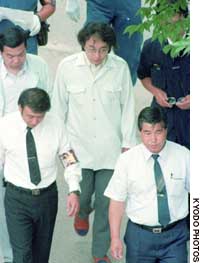
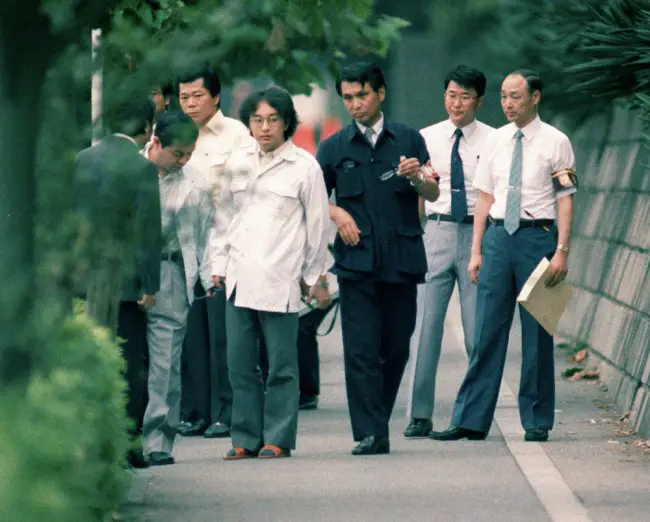
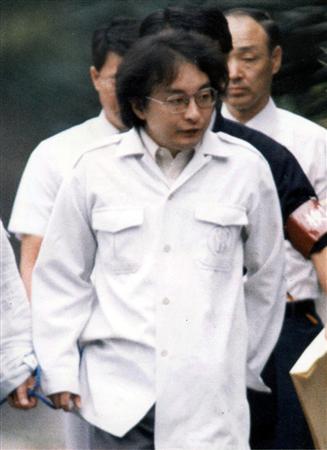
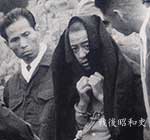
On July 23, 1989, Miyazaki's murderous career ended. In a municipal park in Hachiōji, Tokyo, he lured two young sisters and attempted to photograph one nude. The girls' father returned unexpectedly, confronted the predator, and tackled him after a physical struggle, holding him until police arrived.
When Tokyo Metropolitan Police detectives executed a search warrant upon Miyazaki's bedroom in Itsukaichi, they were confronted by a chilling tableau: 5,763 VHS tapes stacked in dense columns obscuring the windows. Among anime and B-grade horror films, forensic examiners discovered home video recordings produced by Miyazaki, containing explicit footage documenting the torture, mutilation, and necrophilic desecration of the murdered girls.
Trial, Capital Sentence, and Execution
The subsequent trial was among the most extensively analyzed in Japanese legal history. Three separate forensic psychiatric panels evaluated Miyazaki, producing divergent diagnoses ranging from paranoid schizophrenia to extreme paraphilic sadism and dissociative personality disorder.
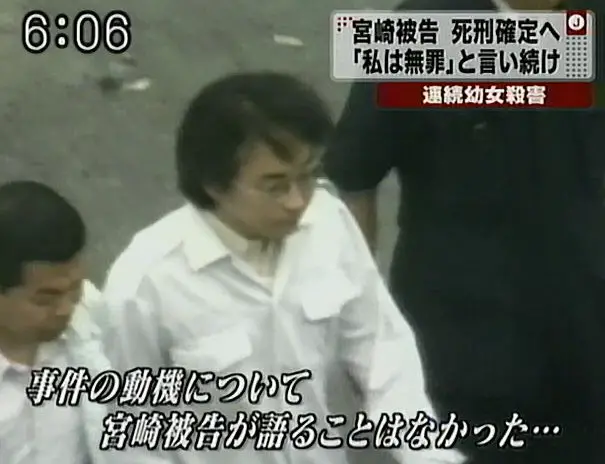
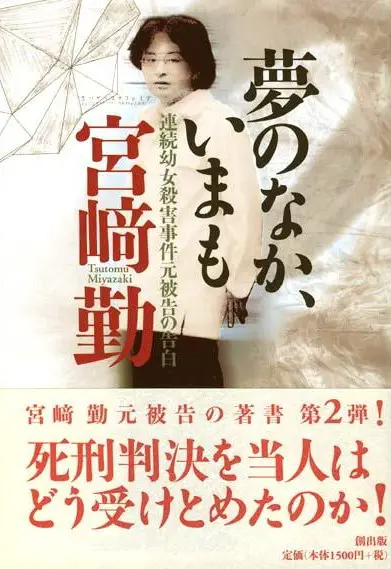
In 1997, the Tokyo District Court ruled that despite severe personality pathology, Miyazaki retained criminal capacity and understood the moral culpability of his actions, sentencing him to death by hanging. The Supreme Court of Japan affirmed the capital conviction in 2006.
On June 17, 2008, following the execution warrant signed by Justice Minister Kunio Hatoyama, Tsutomu Miyazaki was executed by hanging at the Tokyo Detention House at the age of 45. The case transformed Japanese forensic psychiatry and initiated profound sociological reassessments of youth isolation, digital escapism, and violent media consumption.