Forensic & Criminological Matrix
| Parameter | Forensic Detail |
|---|---|
| Forensic Heading / Aliases | Earl Russell Behringer |
| Legal Identity | Earl Russell Behringer |
| Confirmed Victims | 2 |
| Active Timeline | 1990s |
| Jurisdiction / Area of Operations | Texas, United States |
| Criminological Classification | Robbery-Homicide Perpetrator |
| Forensic Modus Operandi | Multiple homicide during armed robbery |
| Weapon / Mechanism of Death | Firearm |
| Motive / Behavioral Dynamics | Financial gain / Violent crime |
| Judicial Outcome | Death sentence, executed by lethal injection on June 11, 1997 |
1. Background and Profile
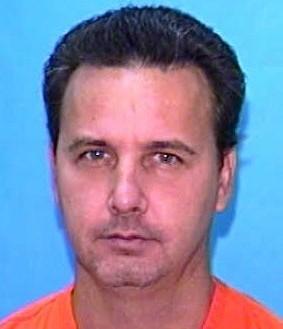
Earl Russell Behringer was born around 1964 in the United States. His criminal trajectory culminated in capital murder charges within the state of Texas, resulting in his placement on death row.
2. Crime Spree and Modus Operandi
Behringer engaged in violent felony offenses, specifically armed robberies that escalated into the murders of two individuals associated with the Hancock family. Throughout post-conviction proceedings, defense strategies attempted to implicate co-defendants such as Scott Rouse as the primary triggerman, though these arguments failed to alter the judicial verdicts.
3. Investigation and Forensic Pursuit
Law enforcement and prosecutorial bodies in Texas established Behringer's direct involvement through physical evidence and witness testimony, securing a robust case that satisfied the state's capital murder requirements.
4. Legal Proceedings and Outcome
Behringer's trial led to a sentence of death. His legal team pursued extensive appellate avenues, including federal habeas corpus petitions and Rule 60(b) motions claiming actual innocence based on belated affidavits from fellow inmates like Jerry Hogue. The United States Court of Appeals for the Fifth Circuit systematically rejected these appeals, upholding the District Court's rulings.
5. Psychiatric Evaluation and Execution
Deemed legally sane and fully responsible for his actions, Behringer faced his capital sentence without psychiatric exoneration. He was executed by lethal injection at the Huntsville Unit in Texas on June 11, 1997, leaving a final public statement expressing acceptance of his fate.