



Forensic & Criminological Matrix
| Parameter | Forensic Detail |
|---|---|
| Forensic Heading / Aliases | The I-95 Killer |
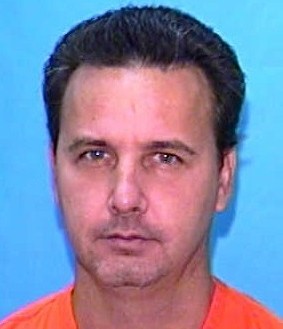
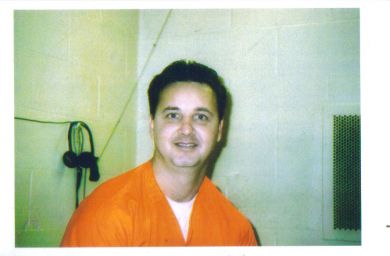
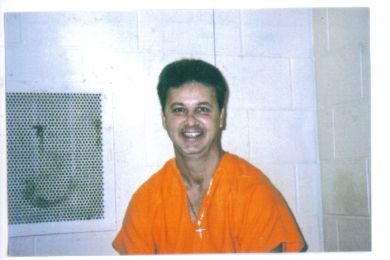
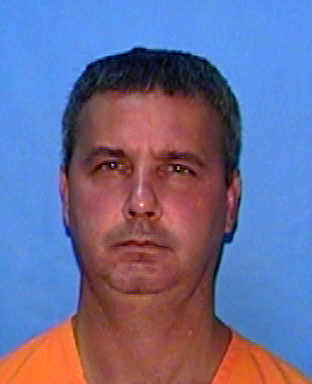
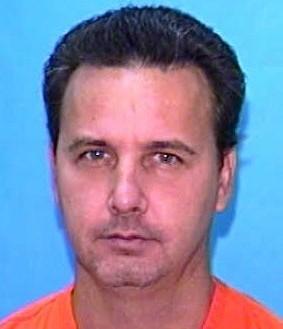
| Legal Identity | Gary Ray Bowles |
| Confirmed Victims | 6 |
| Attributed / Indicted Victims | 6 |
| Active Timeline | March 1994 - November 1994 |
| Jurisdiction / Area of Operations | Florida, Georgia, and Maryland (United States) |
| Criminological Classification | Itinerant Serial Killer |
| Forensic Modus Operandi | Exploiting transient living arrangements with homosexual men, severe blunt force trauma or strangulation, followed by property and vehicle theft |
| Weapon / Mechanism of Death | Concrete blocks, ligatures, firearms, and manual/mechanical strangulation |
| Motive / Behavioral Dynamics | Financial gain, deep-seated misanthropic rage, and psychopathy linked to severe childhood trauma |
| Judicial Outcome | Sentenced to death; executed by lethal injection on August 22, 2019 |
1. Background and Profile
Gary Ray Bowles was born on January 25, 1962, in Clifton Forge, Virginia. His upbringing was characterized by severe trauma and instability; his biological father died six months prior to his birth, and his mother married multiple times. Bowles endured prolonged physical abuse from his second stepfather, a violent alcoholic. At age 13, Bowles fought back violently, inflicting severe injuries on his abuser, and subsequently fled the home when his mother chose to remain in the abusive household. His adolescent and early adult years were defined by chronic homelessness and survival prostitution along the eastern seaboard of the United States.
2. Crime Spree and Modus Operandi
Between March and November 1994, Bowles engaged in a violent multi-state murder spree along the Interstate 95 corridor. His signature methodology involved targeting homosexual men who offered him temporary shelter or with whom he engaged in commercial sex work. Once inside the victims' residences, Bowles launched surprise, lethal assaults. He utilized heavy objects such as concrete blocks, firearms, or strangulation ligatures to dispatch his victims, subsequently plundering their credit cards, cash, and vehicles to aid his flight. His confirmed victims included John Hardy Roberts, Walter Jamelle "Jay" Hinton, and four other men across Florida, Georgia, and Maryland.
3. Investigation and Manhunt
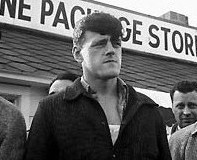
As the body count rose across state jurisdictions, local police departments and federal agencies established cooperative investigative task forces. Forensic evidence, including latent fingerprints, physical traces, and probation records recovered at crime scenes, quickly pointed to Bowles. Due to his evasion and violent trajectory, the Federal Bureau of Investigation (FBI) added him to its Ten Most Wanted Fugitives list. The manhunt concluded on October 22, 1994, when Bowles was apprehended in connection with the murder of Walter Hinton.
4. Legal Proceedings and Outcome
Following his capture, Bowles confessed to all six murders. Tried in the Florida court system, he was convicted of first-degree murder and sentenced to death. The legal process encountered significant appellate challenges; in 1998, the Florida Supreme Court vacated his original death sentence due to evidentiary errors concerning prejudicial testimony about his alleged bias against homosexual men, remanding the case for a new penalty phase. In May 1999, a new sentencing jury unanimously recommended the death penalty, which was formally reimposed and subsequently upheld through multiple state and federal appellate reviews.
5. Psychiatric Assessment and Execution
Forensic psychiatric evaluations highlighted severe social alienation, emotional detachment, and explosive behavioral triggers rooted in childhood victimization and displaced rage against male authority figures and intimate contacts. After exhausting all state post-conviction motions and federal habeas corpus appeals, Gary Ray Bowles was executed by lethal injection at Florida State Prison in Raiford on August 22, 2019.