Forensic & Criminological Matrix
| Parameter | Forensic Detail |
|---|---|
| Forensic Heading / Aliases | N/A |
| Legal Identity | Joseph Albert Guay |
| Confirmed Victims | 23 |
| Attributed / Indicted Victims | 23 |
| Active Timeline | 1949 |
| Jurisdiction / Area of Operations | Quebec, Canada |
| Criminological Classification | Mass Murderer / Aerial Terrorism |
| Forensic Modus Operandi | Sabotage with improvised explosive device |
| Weapon / Mechanism of Death | Time-bomb |
| Motive / Behavioral Dynamics | Financial gain and elimination of spouse |
| Judicial Outcome | Death penalty by hanging |
1. Background and Profile
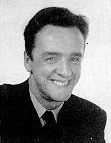
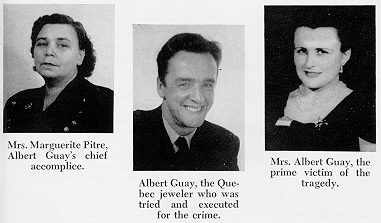
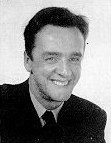
Born in 1917 in Quebec, Joseph Albert Guay was the youngest of five children. He was characterized by a manipulative and narcissistic personality. A former watchmaker and jeweler, he possessed technical skills acquired during his employment at Canadian Arsenals Limited during WWII. His marriage to Rita Morel suffered due to his extramarital affairs and financial instability.
2. Crime Spree
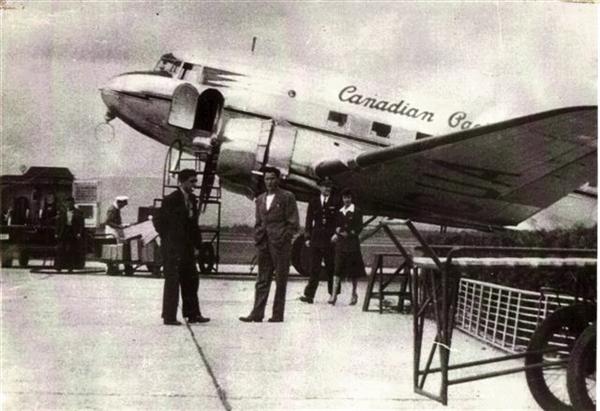
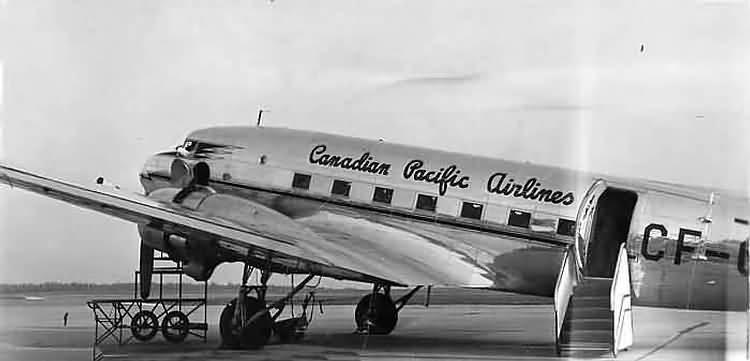
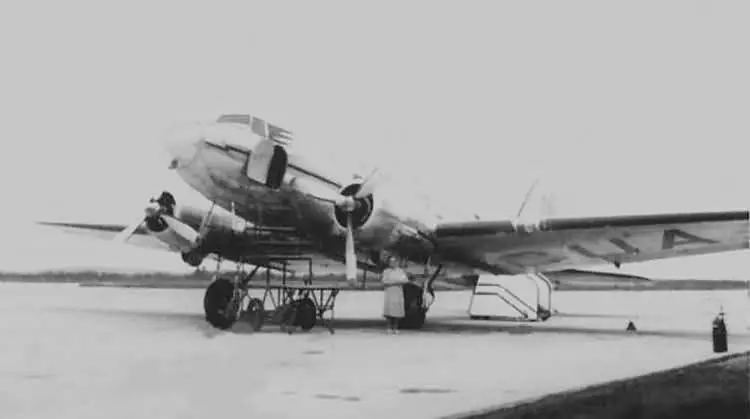
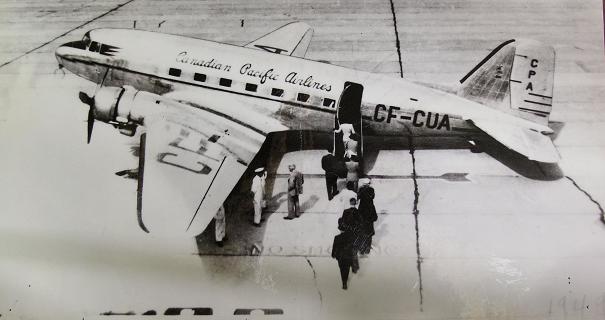
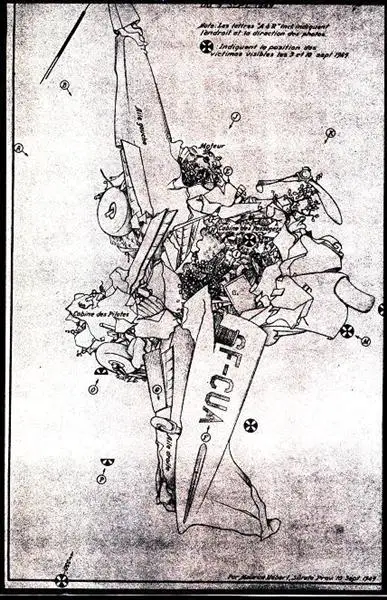
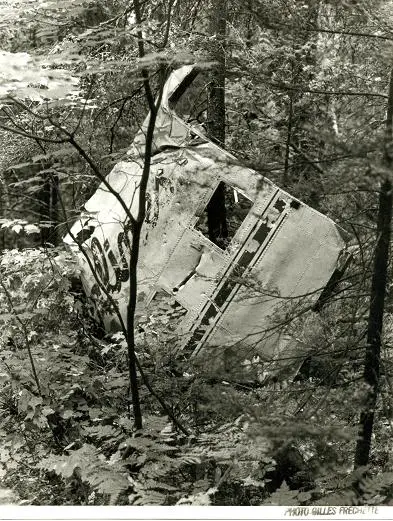
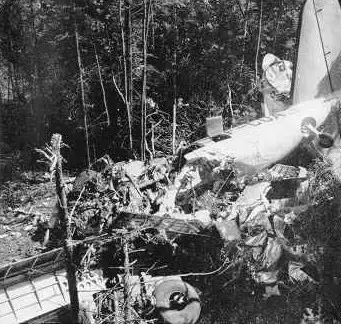
Driven by debt and a desire to be with his mistress, Marie-Ange Robitaille, Guay plotted to kill his wife. He purchased a $10,000 life insurance policy on her and coerced her into taking a flight to Baie-Comeau. With the help of Généreux Ruest (who built the bomb) and Marguerite Pitre (who delivered it), he successfully planted the device. On September 9, 1949, the plane exploded, killing all 23 people on board.
3. Investigation and Arrest
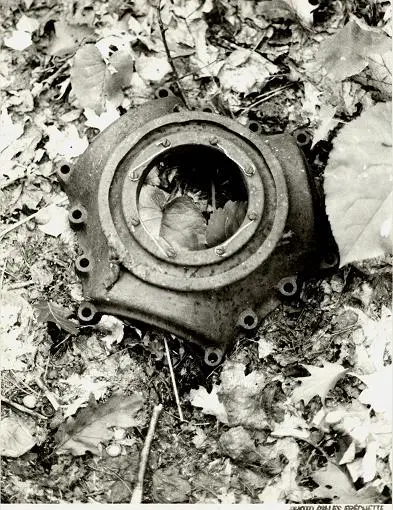
Forensic experts at the Montreal Laboratory of Forensic Medicine used emission spectrography to analyze explosive residues, proving the existence of a bomb. The investigation successfully traced the package back to Pitre, who confessed after a suicide attempt.
4. Legal Proceedings and Outcome
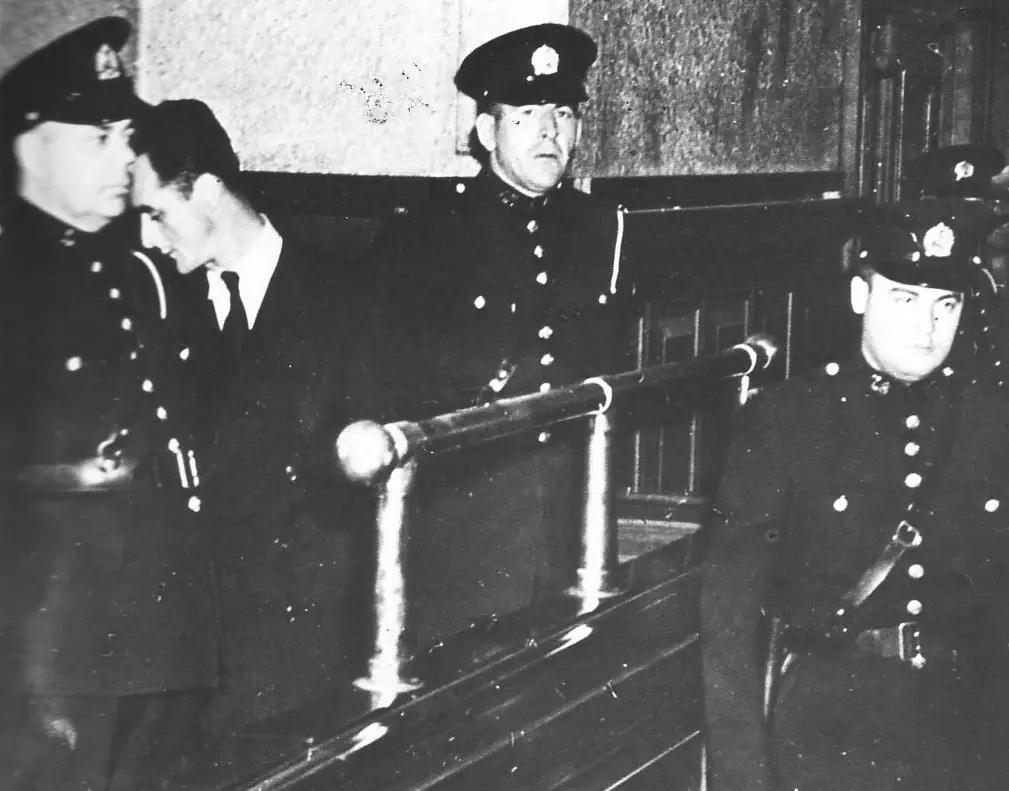
Guay, Ruest, and Pitre were all convicted of the murders. Guay was executed by hanging on January 12, 1951. His case remains a landmark in Canadian forensic history.