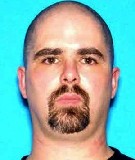
Forensic & Criminological Matrix
| Parameter | Forensic Detail |
|---|---|
| Forensic Heading / Aliases | Mr. D |
| Legal Identity | Denis Lortie |
| Confirmed Victims | 3 |
| Attributed / Indicted Victims | 3 |
| Active Timeline | May 7-8, 1984 |
| Jurisdiction / Area of Operations | Quebec City, Canada |
| Criminological Classification | Mass Murderer |
| Forensic Modus Operandi | Armed incursion into a government building |
| Weapon / Mechanism of Death | Two submachine guns |
| Motive / Behavioral Dynamics | Political grievance and paranoid schizophrenia |
| Judicial Outcome | Convicted of second-degree murder (1987), paroled (1995) |
1. Background and Profile
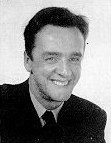
Denis Lortie was a corporal in the Canadian Forces, serving as a supply technician at the CFS Carp military base. Forensic psychiatric evaluations, notably by Dr. Pierre Mailloux, diagnosed Lortie with paranoid schizophrenia. He exhibited signs of a psychotic episode, claiming to be acting on divine instructions to dismantle the Quebec government.
2. Crime Spree
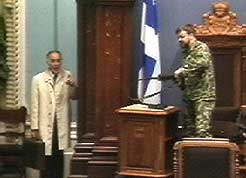
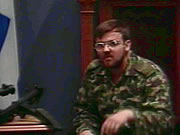
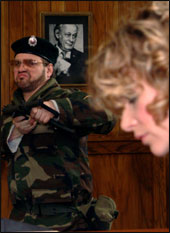
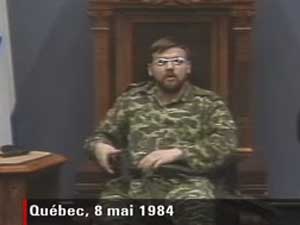
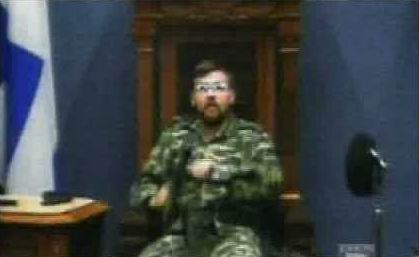
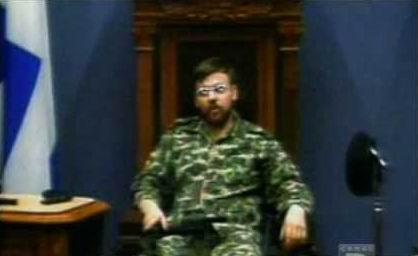
On May 7, 1984, Lortie left his post under false pretenses. The following morning, he delivered a manifesto tape to a local radio station before storming the Quebec National Assembly. Armed with two submachine guns, he opened fire, killing three employees: Georges Boyer, Camille Lepage, and Roger Lefrançois. He wounded thirteen others while searching for members of the Parti Québécois.
3. Investigation and Arrest
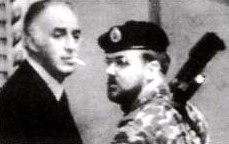
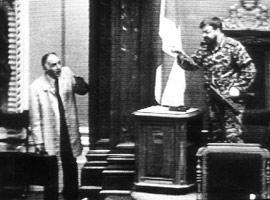
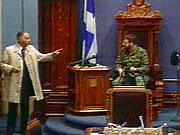
The situation was de-escalated by the Assembly's Sergeant-at-Arms, René Jalbert. Using his military background, Jalbert engaged Lortie in a four-hour negotiation, eventually convincing him to surrender to military police. Jalbert's actions were later recognized with the Cross of Valour.
4. Legal Proceedings and Outcome
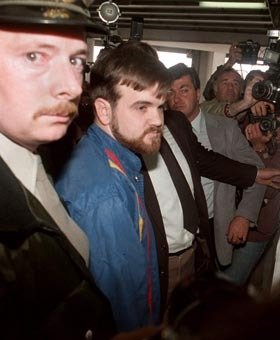
Lortie was initially convicted of first-degree murder in 1985, but a retrial was ordered due to procedural errors. In 1987, he pleaded guilty to second-degree murder. He was sentenced to life imprisonment and was granted parole in December 1995.
5. Psychiatric Assessment and Aftermath
The case remains a significant study in the intersection of political extremism and untreated mental illness. Lortie has lived in Quebec since his release, working in the construction industry.