




Forensic & Criminological Matrix
| Parameter | Forensic Detail |
|---|---|
| Forensic Heading / Aliases | Mom |
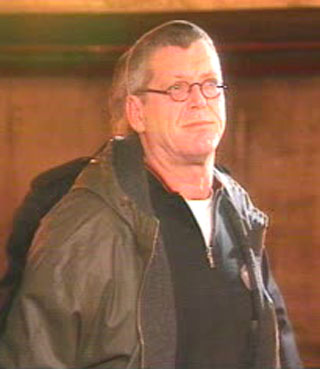
| Legal Identity | Maurice Boucher |
| Confirmed Victims | 2 |
| Attributed / Indicted Victims | 2 |
| Active Timeline | 1994 - 2002 |
| Jurisdiction / Area of Operations | Montreal, Quebec, Canada |
| Criminological Classification | Organized crime leader / Mastermind murderer |
| Forensic Modus Operandi | Issuing direct orders to subordinate enforcers for targeted executions of penal officers and rival gang members |
| Weapon / Mechanism of Death | Firearms (targeted shootings) |
| Motive / Behavioral Dynamics | Territorial control, drug trafficking, and destabilization of the judicial system |
| Judicial Outcome | Convicted of first-degree murder in 2002; sentenced to life imprisonment without parole; died in custody in 2022 |
1. Background and Profile
Maurice Boucher, widely known by his moniker "Mom," was born in 1953. He rose through the ranks of Canadian street violence and organized crime to become the powerful president of the Quebec Nomads chapter of the Hells Angels Motorcycle Club. Boucher established a dominant presence over drug distribution networks in the province of Quebec.
2. Crime Spree
Boucher spearheaded the Montreal Hells Angels faction during the bloody Quebec Biker War (1994–2002) against the rival Rock Machine gang. His criminal methodology involved absolute autocratic command, issuing directives to subordinates to carry out contract-style executions aimed at eliminating rivals and intimidating law enforcement and correctional personnel to disrupt the state's judicial apparatus.
3. Investigation and Law Enforcement Pursuit
Canadian law enforcement agencies conducted complex multi-jurisdictional investigations to pierce the operational secrecy of the Hells Angels. Through intelligence operations, wiretaps, and critical testimony from informants within the criminal milieu, investigators successfully linked Boucher to the assassination orders targeting prison officers Pierre Rondeau and Diane Lavigne.
4. Legal Proceedings and Outcome
Following exhaustive judicial proceedings, Boucher was brought to trial and convicted in 2002 on two counts of first-degree murder for ordering the deaths of the correctional officers. He received a mandatory life sentence with no eligibility for parole for twenty-five years.
5. Psychological Assessment and Final Outcome
Criminological evaluations identified Boucher as exhibiting high-psychopathy traits characterized by calculated aggression, absolute lack of remorse, and strong hierarchical control over criminal syndicates. He served his sentence in maximum-security facilities until his death from natural causes on July 10, 2022, at the Regional Reception Centre in Sainte-Anne-des-Plaines, Quebec.