




Forensic & Criminological Matrix
| Parameter | Forensic Detail |
|---|---|
| Forensic Heading / Aliases | The HIV Killer |
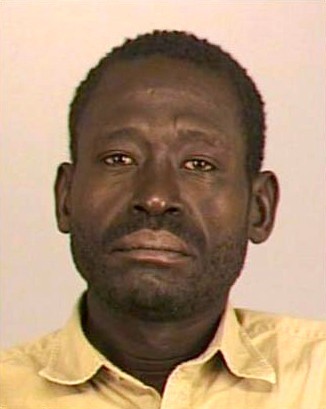
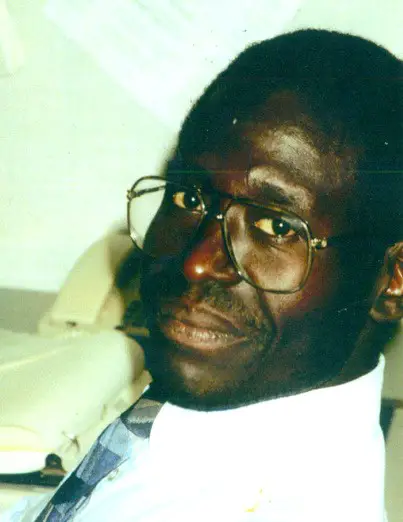
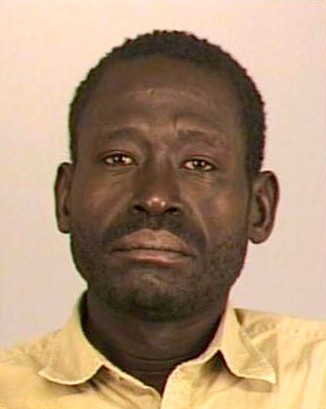
| Legal Identity | Johnson Aziga |
| Confirmed Victims | 2 fatalities, 11 total complainants |
| Active Timeline | 1996 - 2003 |
| Jurisdiction / Area of Operations | Hamilton, Ontario, Canada |
| Criminological Classification | Pathogen-based murderer / Sexual predator |
| Forensic Modus Operandi | Deceptive non-disclosure of HIV status to facilitate unprotected intercourse |
| Weapon / Mechanism of Death | Human Immunodeficiency Virus (HIV) leading to AIDS-related complications |
| Motive / Behavioral Dynamics | Sexual gratification, criminal negligence, and narcissistic disregard for life |
| Judicial Outcome | Life imprisonment; designated as a 'Dangerous Offender' |
1. Background and Profile
Johnson Aziga was a Ugandan-born Canadian citizen and a highly educated professional, serving as a statistician for the Ontario Ministry of the Attorney General. Following his HIV diagnosis in 1996, he was issued clear directives by public health officials regarding his legal obligation to disclose his status to sexual partners. Despite his intellectual capacity and the explicit warnings, Aziga engaged in a series of high-risk sexual encounters, systematically withholding his medical condition to ensure sexual access and avoid social stigma.
2. Crime Spree
Aziga's criminal pattern involved targeting women through social venues and professional circles. He would often use protection initially to build trust, only to later persuade his partners to engage in unprotected sex by falsely claiming he was free of diseases. This behavior resulted in the infection of seven women. Two of these women subsequently died from AIDS-related cancers. The prosecution emphasized that Aziga's actions were not merely negligent but constituted a calculated risk that led to the deaths of his partners.
3. Investigation and Arrest
The case came to light when health authorities noticed a cluster of HIV infections linked to a single individual. Forensic epidemiology played a crucial role in matching the viral strains of the victims to Aziga. He was arrested in 2003. The legal strategy was groundbreaking, as Canadian prosecutors sought first-degree murder charges, arguing that the deaths were a foreseeable consequence of his intentional deception and repeated sexual assaults.
4. Legal Proceedings and Outcome
In April 2009, a jury found Aziga guilty of two counts of first-degree murder and multiple counts of aggravated sexual assault. The defense's attempt to portray him as a victim of mental health struggles and alcoholism was rejected. In 2011, the court granted him 'Dangerous Offender' status, a designation reserved for Canada's most volatile criminals, ensuring he could be held indefinitely. The judge noted Aziga's lack of genuine remorse and the extreme danger he posed to women in the community. He remains in federal custody.