


Forensic & Criminological Matrix
| Parameter | Forensic Detail |
|---|---|
| Full Legal Name | Marie Margarete (Grete) Beier |
| Criminal Monikers | Grete Beier, The Guillotined Heiress of Saxony |
| Born | September 15, 1885, Brand-Erbisdorf, Kingdom of Saxony, German Empire |
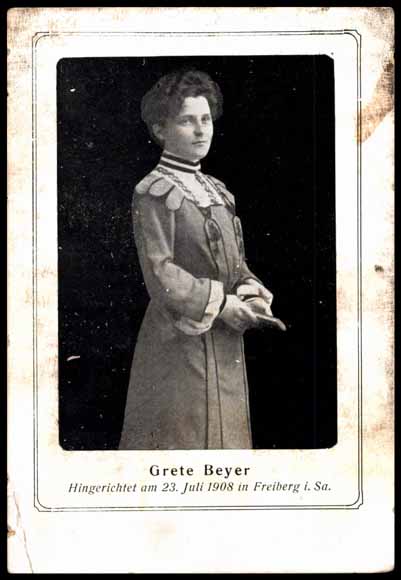
| Died | July 23, 1908 (aged 22), Regional Court Courtyard, Freiberg, Saxony, Germany |
| Manner of Death | Judicial execution by decapitation on the guillotine (Fallbeil) |
| Criminological Classification | Instrumental premeditated poisoner, fraudulent schemer, and staged-suicide assassin |
| Active Criminal Spree | Murder committed on May 13, 1907; arrested on June 26, 1907 |
| Geographical Jurisdiction | Brand-Erbisdorf and Freiberg, Saxony, German Empire |
| Confirmed Victims | 1 fatal conviction (her 33-year-old fiancé, mining engineer Kurt Pressler); unproven suspicions regarding poorhouse director Kraener |
| Modus Operandi | Covert administration of potassium cyanide laced into a cocktail, immediately followed by a contact revolver gunshot fired into the oral cavity; staging an elaborate suicide tableau supported by forged holographic wills and letters |
| Criminal Motive | Pecuniary gain, concealment of embezzlement, and resolving forced matrimonial engagements to unite with her secret lover Hans Merker |
| Legal Outcome | Executed by guillotine on July 23, 1908 (the final woman put to death in the Kingdom of Saxony) |
EXECUTIVE SUMMARY & HISTORICAL OVERVIEW
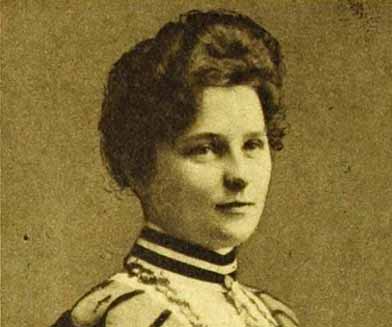
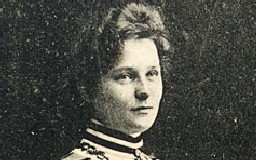
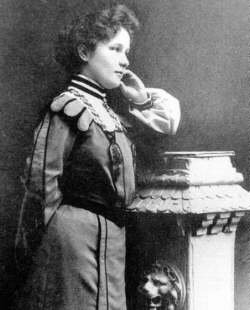
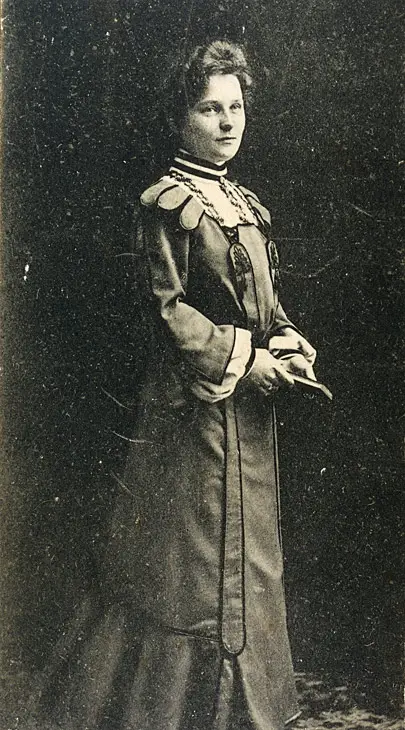
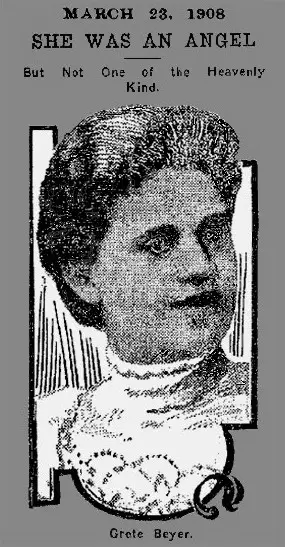
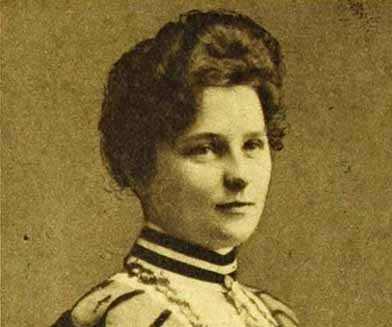
The 1908 execution of 22-year-old Marie Margarete "Grete" Beier was one of the most sensationally documented criminal trials in Wilhelmine Germany. The daughter of the prominent municipal mayor of Brand, Grete combined outward middle-class refinement with ruthless cunning.
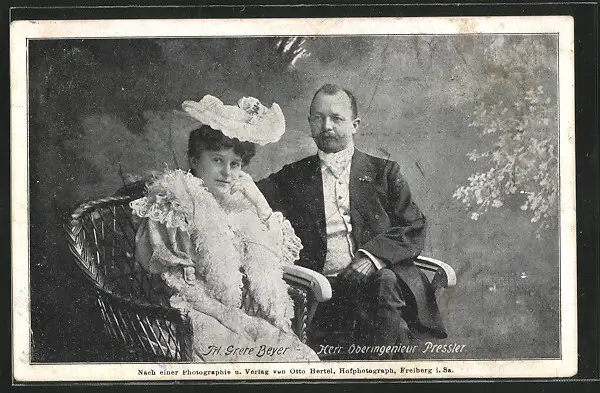
To rid herself of an arranged marriage to wealthy mining engineer Kurt Pressler while securing his fortunes for herself and her clandestine lover, she orchestrated a dual-method killing combining lethal chemical toxicity with a point-blank firearm blast, meticulously staged to mimic a despair-driven suicide. Her conviction and subsequent decapitation on the guillotine marked the last time capital punishment was carried out on a female subject in the Kingdom of Saxony.
EARLY LIFE AND CLANDESTINE ROMANCE
Grete Beier was born into Saxony's regional bourgeois elite in September 1885. Her father, Ernst Beier, served as chief magistrate and mayor of Brand, holding immense civic authority and demanding strict filial obedience.
During her late adolescence, Grete fell deeply in love with a local commercial apprentice, Hans Merker. Her father vehemently opposed the union due to Merker's lack of social standing and assets, forcibly arranging her betrothal to Heinrich Kurt Pressler, a prosperous 33-year-old civil and mining engineer.
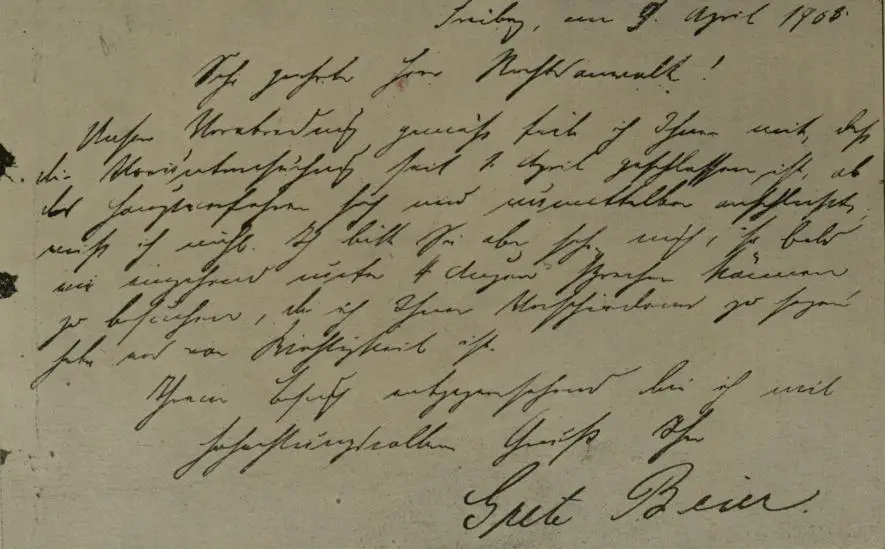
Unwilling to relinquish Merker, Grete maintained their secret affair while running up extensive debts and forging promissory notes. Facing impending exposure as the wedding date approached, she resolved to murder her fiancé in a manner that would both eliminate the arranged marriage and leave his fortune in her possession.
THE EXECUTION OF THE CRIME AND STAGED SUICIDE
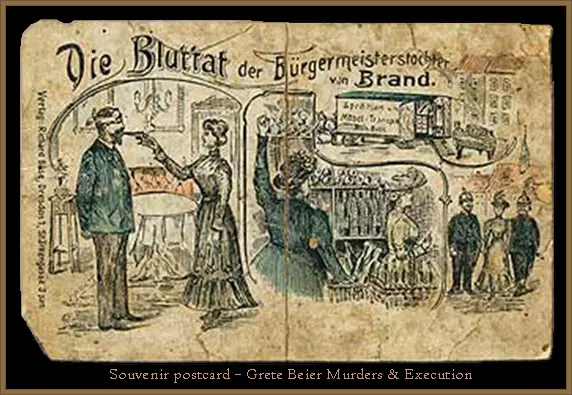
On the evening of May 13, 1907, Grete visited Pressler's residence. Exploiting their intimate rapport, she prepared a beverage for him infused with a fatal dose of potassium cyanide. As Pressler collapsed into convulsions, Grete, determined to ensure immediate fatality and create a convincing alternative narrative, produced Pressler's own revolver, placed the barrel into his open mouth, and fired.
Grete methodically organized the crime scene:
- Positioning the firearm beside his right hand to suggest self-inflicted discharge.
- Placing a forged will on his desk naming her sole beneficiary of his estate.
- Leaving a fabricated suicide note alleging that Pressler was taking his own life out of unbearable guilt over a secret relationship with a woman in Italy who threatened to expose him.
The deception initially succeeded; attending physicians and local constabulary initially ruled the death a tragic suicide.
INVESTIGATION, DOWNFALL, AND CONFESSION
The scheme unraveled weeks later following an unrelated investigation into Hans Merker for commercial fraud. A search of Merker's lodgings turned up correspondence from Grete containing incriminating statements regarding Pressler's death and financial assets.
Grete was arrested on June 26, 1907. Confronted with handwriting analyses exposing the will as a forgery and chemical traces found in her possession, she broke down and signed a full confession, clinging to the belief that her youth and confession would secure royal clemency.
The scandal devastated her family: her father died suddenly from a stroke amid public disgrace and municipal investigations, while her mother was briefly detained.
TRIAL AND CAPITAL CONVICTION
At the Freiberg District Court, public prosecutor Dr. Mannl demanded the death penalty for premeditated murder and forgery. Throughout the intense two-day trial, Grete exhibited unnatural composure that chilled observers in the courtroom.
The jury returned a unanimous guilty verdict without mitigating circumstances, and the court passed sentence of death. King Frederick Augustus III of Saxony formally declined to exercise royal clemency on July 18, 1908.
EXECUTION AT FREIBERG PRISON (JULY 23, 1908)
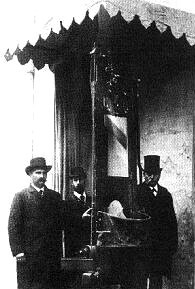
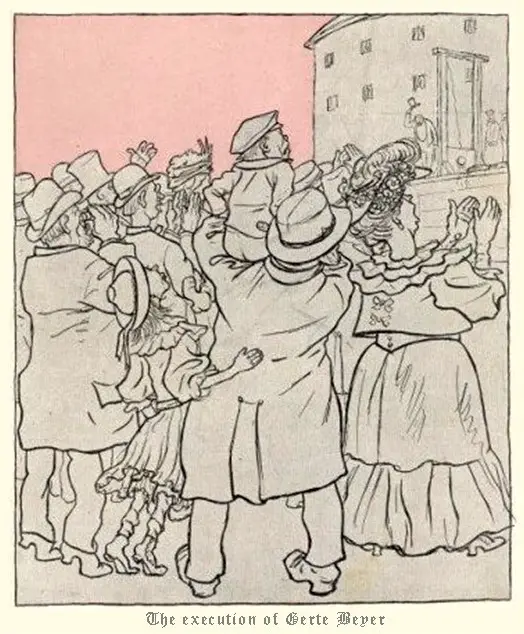
At 6:30 a.m. on July 23, 1908, the execution took place in the courtyard of Freiberg Regional Court before 200 robed officials, jurists, and military witnesses.
Dressed in a tailored black gown with a lowered collar, Grete walked steadily across the courtyard accompanied by her attorney and prison pastor. Led up the steps of the scaffold, she was strapped to the vertical tilting board (Kippbrett). As the board swung horizontal and she looked down into the collection bucket, she cried out in anguish: "Father, into Your hands I lay my soul — Father!"
The neck ring slammed shut, and state executioner Moritz Brand released the heavy guillotine blade, severing her head instantly. The entire proceeding lasted less than three minutes. Grete Beier's body was transferred in a floral hearse and interred quietly in Dresden beside her father.