


Forensic & Criminological Matrix
| Parameter | Forensic Detail |
|---|---|
| Forensic Heading / Aliases | Augusta Fullam / Augusta Fairfield |
| Legal Identity | Augusta Fairfield Fullam (Daughter of a Bengal river pilot) |
| Confirmed Victims | 2 (Edward McKean Fullam and Louisa Amelia Clark) |
| Active Timeline | 1911 - 1912 |
| Jurisdiction / Area of Operations | Agra, Uttar Pradesh, British India |
| Criminological Classification | Serial/conspiratorial murderess and parricide by proxy |
| Forensic Modus Operandi | Chronic arsenic poisoning disguised as tonic powders, followed by contract killing via hired assassins using sabers |
| Weapon / Mechanism of Death | Arsenic, gelsemine, cocaine, and severe blunt-force slash wounds from swords |
| Motive / Behavioral Dynamics | Marital elimination to legitimize an adulterous relationship between co-conspirators |
| Judicial Outcome | Sentenced to death in 1913, commuted to penal servitude for life due to pregnancy; died in prison in 1914 |
1. Background and Psychopathy
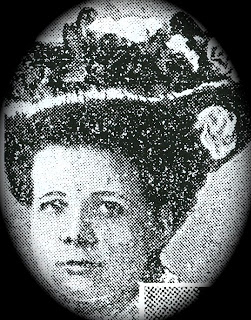
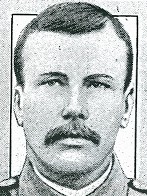
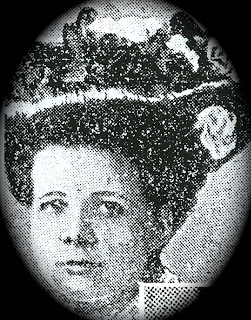
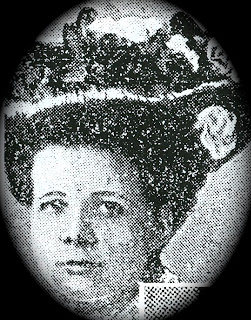
Augusta Fairfield Fullam was born around 1875 within the British Raj in India, the daughter of a Bengal river pilot. As an Edwardian colonial housewife, she married Edward McKean Fullam, a 44-year-old civilian employee. Over time, Augusta engaged in a passionate and destructive affair with Lieutenant Henry Lovell William Clark, a Eurasian surgeon born in 1868. This illicit liaison rapidly transformed into a meticulous and calculating criminal conspiracy aimed at eliminating their respective spouses to formalize their union.
2. Crime Spree
The criminal enterprise unfolded in two distinct phases of toxicity and violence. Initially, Augusta and Henry plotted the systematic extermination of Edward Fullam through the daily administration of arsenic hidden in tonic powders and beverages. Edward endured months of agonizing illness before Lieutenant Clark intervened directly to deliver a fatal dose, subsequently falsifying the death certificate to list heart failure as the cause.
The second phase required the murder of Lieutenant Clark's wife, Louisa Amelia Clark. Proven more resilient to toxins, the co-conspirators turned to the criminal underworld of the Agra bazaars to recruit a band of mercenaries ("badmashes"). The assassins breached Louisa's residence and smashed her skull with sabers while Clark fabricated an alibi elsewhere.
3. Crime Spree and Forensic Investigation
Agra police immediately suspected the pair due to the open secret of their affair, yet tangible forensic proof remained elusive until Inspector Smith searched Augusta's quarters. Hidden beneath a bed, the inspector recovered a trunk containing 370 highly incriminating love letters. The correspondence documented explicit discussions regarding the acquisition and administration of arsenic powders.
4. Arrest and Judicial Proceedings
Following the seizure of the documentary evidence, Augusta Fullam and Henry Clark were jointly tried at the Allahabad High Court in 1913. The sensational trial captivated colonial society across India and Great Britain. Both defendants were convicted of murder. Lieutenant Clark was hanged on March 26, 1913. However, Augusta's death sentence was commuted to life imprisonment with hard labor because she was pregnant with Clark's child at the time of the verdict.
5. Psychiatric Assessment and Outcome
Augusta gave birth to a healthy son while incarcerated. Nevertheless, her physical constitution deteriorated rapidly under the harsh penal conditions. Augusta Fullam died of heatstroke at Naini Prison on May 28, 1914, at the age of 38, having served only 15 months of her commuted sentence. The recruited assassins faced separate judicial proceedings, resulting in three executions by hanging.