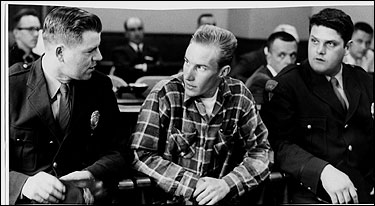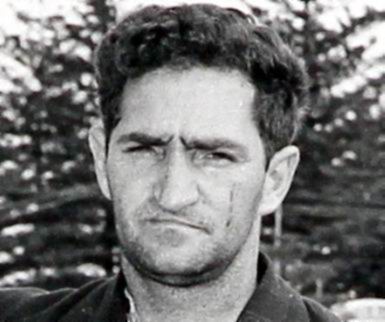






Eric Edgar Cooke ("The Nedlands Monster"): The Phantom Night Caller, 8 Murders, and Western Australia's Final Hanging
Executive Summary
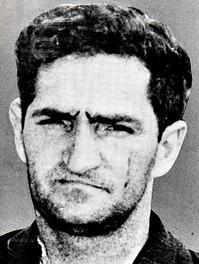
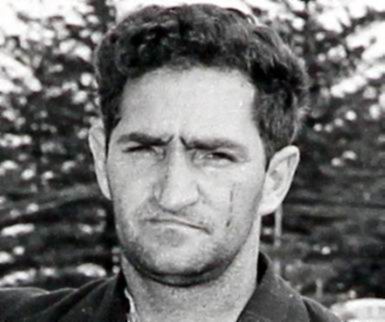
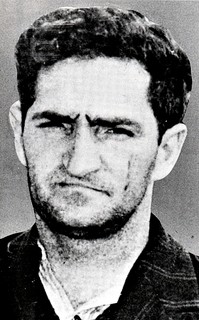
Eric Edgar Cooke (February 25, 1931 – October 26, 1964), widely infamous across Australia as "The Nedlands Monster" and "The Night Caller", was an Australian serial killer and spree murderer whose four-year campaign of random violence terrorized the city of Perth, Western Australia, between 1959 and 1963. Responsible for at least eight verified homicides and fourteen attempted murders resulting in catastrophic injuries, Cooke shattered prevailing criminological typologies: he did not confine himself to a single demographic of victims, a consistent signature, or a specific weapon, alternating unpredictably between intentional vehicular hit-and-runs, midnight home invasions with butcher knives, and sniper-style point-blank shootings with small-caliber rifles.
Born with a severe cleft lip and palate into a domestic environment dominated by an abusive, alcoholic father, Cooke endured severe childhood head trauma, institutional reformatory stays, and unyielding social ostracization. Between 1959 and 1963, his stealthy, unpatterned incursions into affluent and working-class Perth suburbs incited unprecedented public paranoia: residents purchased guard dogs, bolted doors, and kept shotguns beside their beds.
His apprehension in September 1963 and subsequent hanging on October 26, 1964 — the last judicial execution carried out in Western Australia — triggered a landmark judicial crisis. On the gallows, Cooke confessed to two murders for which two innocent men, John Button and Darryl Beamish, had already been wrongfully convicted and imprisoned. Decades later, forensic reconstructions and appeal hearings fully exonerated both men, solidifying Cooke's legacy as a pivotal figure in British Commonwealth legal reform.
Forensic Profile Datasheet
| Parameter | Forensic Detail |
|---|---|
| Legal Identity | Eric Edgar Cooke |
| Public Moniker | Eric Edgar Cooke |
| Criminological Aliases | "The Nedlands Monster", "The Night Caller" |
| Date of Birth | February 25, 1931 (Victoria Park, Perth, Western Australia) |
| Date of Death | October 26, 1964 (Fremantle Prison; aged 33) |
| Vital & Legal Status | Executed by hanging (Executed); final person executed in Western Australia |
| Criminological Classification | Multi-modus Serial and Spree Killer |
| Confirmed Fatal Victims | 8 homicides verified by physical evidence |
| Documented Surviving Victims | 14 attempted murders (vehicular hit-and-runs, gunshots, and stabbings) |
| Weapons of Choice | .22 caliber rimfire rifles, .410 gauge shotgun, carving knives, and stolen motor vehicles |
| Primary Motive | Opportunistic homicidal compulsion, pathological social grievance, and sadistic assertion of control |
| Geographic Theater | Suburban Perth: Nedlands, Cottesloe, Dalkeith, Floreat Park, and South Perth |
| Investigative Agency | Western Australia Police Force |
| Final Sentence | Death by hanging (upheld on appeal by the High Court of Australia) |
| Penal Institution | Fremantle Prison (Fremantle Prison, Fremantle, Western Australia) |
Early Life, Craniofacial Deformity, and Neurological Trauma
Eric Edgar Cooke was born in Victoria Park, a working-class suburb of Perth. He was born with a pronounced bilateral cleft lip and cleft palate. At three months of age, rudimentary reconstructive surgery repaired the cleft, but left prominent facial scarring, a nasal, guttural speech impediment, and structural hearing deficits.
His father, Thomas Cooke, a shell-shocked veteran of the Australian Imperial Force in the First World War, subjected the family to unrelenting domestic violence. Young Eric was routinely beaten unconscious with leather straps and heavy tool handles, frequently forced to sleep beneath the house floorboards. At school, his physical deformity and slurred speech provoked relentless mockery from classmates and teachers alike, who treated him as intellectually impaired.
Suffering multiple severe concussions from parental assaults and childhood accidents, Cooke exhibited chronic pyromania, voyeurism, and recurrent petty larceny from early adolescence. Between the ages of sixteen and twenty-one, he served several reformatory and prison terms for burglary, vehicle theft, and arson, harboring deep-seated hostility toward society.
The Modus Operandi: Unpredictable and Multiform Terror
What made Eric Edgar Cooke uniquely terrifying to criminologists was his refusal to adhere to a singular modus operandi:
- Vehicular Hit-and-Runs (1959–1960): Cooke stole high-performance sedans, cruising darkened streets in search of lone female pedestrians or cyclists, accelerating from behind to run them down before abandoning the stolen vehicles. In 1959, he struck down Nel Ericson and Rosemary Anderson in Floreat Park.
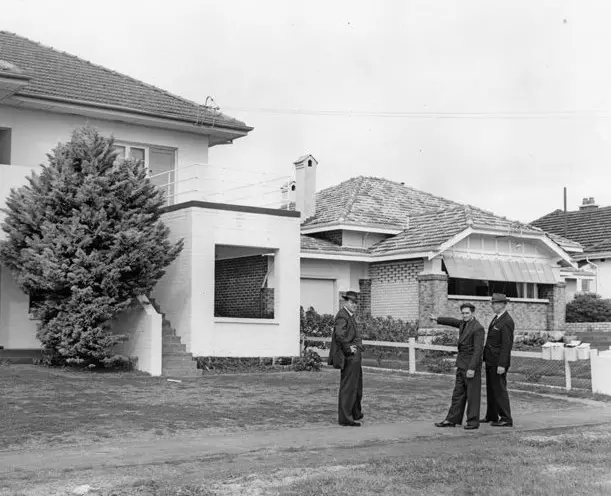
- Home Invasions and Stabbings: In December 1960, Cooke broke into the Cottesloe residence of Jillian Brewer (22), stabbing her multiple times through the throat and chest with a boning knife.
- Australia Day Rampage (January 27, 1963): Cooke drove through Nedlands armed with a .22 caliber rifle, shooting Nicholas Roland through the head as he sat in a parked car, killing George Walmsley on his front verandah, and shooting two young motorists at close range.
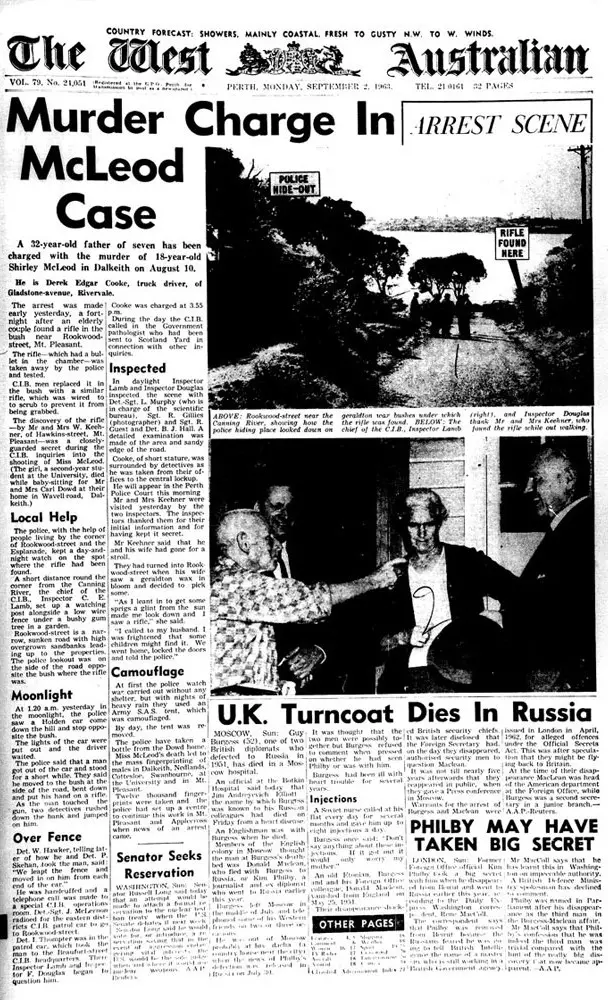
- The Dalkeith Night Call: He ambushed eighteen-year-old babysitter Shirley McLeod in an upscale home, executing her instantly with a rifle shot to the forehead before ransacking the kitchen.
Because the attacks varied between automobiles, knives, and firearms, the Western Australia Police operated under the assumption that several unconnected criminals were active simultaneously.
Manhunt, Capture, and Confession
In 1963, Western Australian authorities launched the largest criminal investigation in the state's history, finger-printing over 30,000 adult males and test-firing more than 60,000 registered .22 caliber rifles.
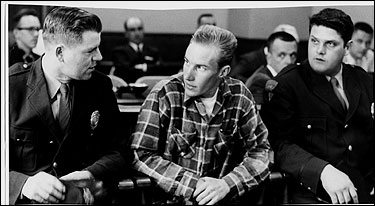
In August 1963, a resident discovered a hidden .22 rifle concealed inside a bush in Mount Pleasant. Ballistics confirmed it was the weapon used in multiple slayings. Forensic detectives staked out the perimeter around the clock. When Cooke returned to retrieve the weapon on the night of September 1, 1963, officers tackled and arrested him.
In custody, Cooke provided astonishingly exhaustive confessions, disclosing details only the perpetrator could know regarding twenty-two distinct violent episodes across metropolitan Perth.
Execution and Posthumous Exonerations
Cooke's defense entered a plea of insanity, presenting evidence of organic brain dysfunction and schizophrenia. However, State Supreme Court juries ruled him legally sane and sentenced him to death.
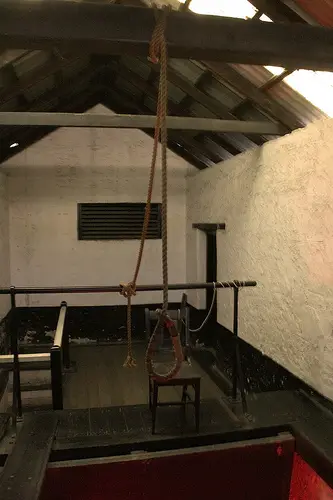
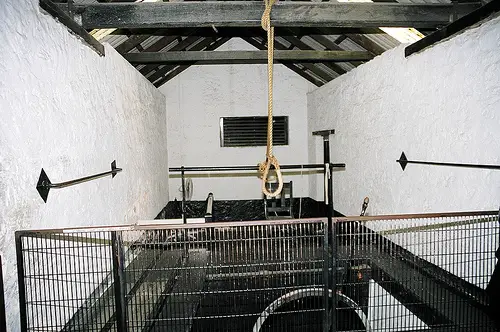
On October 26, 1964, Eric Edgar Cooke was hanged at Fremantle Prison. Before the hood was placed over his head, he swore before the prison chaplain that he alone had murdered Jillian Brewer and Rosemary Anderson, maintaining that Darryl Beamish and John Button were innocent men.
Decades later, investigative re-evaluations and appellate reviews proved Cooke was telling the absolute truth:
- In 2002, the Court of Criminal Appeal quashed John Button's vehicular manslaughter conviction.
- In 2005, the court overturned Darryl Beamish's murder conviction.
Both men were granted official state apologies and multi-million dollar compensation payouts, making Cooke's deathbed confession the catalyst for overturning the two most notorious miscarriages of justice in Australian legal history.