





Forensic & Criminological Matrix
| Parameter | Forensic Detail |
|---|---|
| Forensic Heading / Aliases | None |
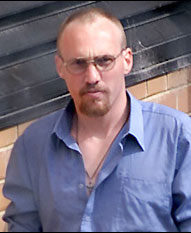
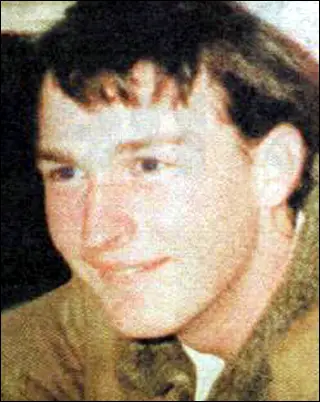
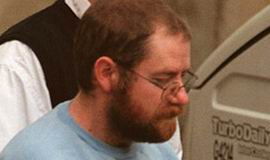
| Legal Identity | Robert Joe Wagner |
| Confirmed Victims | 10 |
| Attributed / Indicted Victims | 10 |
| Active Timeline | 1992 - 1999 |
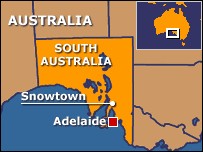
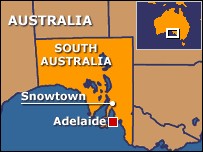
| Jurisdiction / Area of Operations | Adelaide and Snowtown, South Australia |
| Criminological Classification | Serial Killer (Co-perpetrator) |
| Forensic Modus Operandi | Systematic torture, strangulation, acid-based body preservation |
| Weapon / Mechanism of Death | Strangulation, firearms, torture implements (pliers, clamps) |
| Motive / Behavioral Dynamics | Ideological hatred, sadism, victim control |
| Judicial Outcome | Ten consecutive life sentences without parole |
1. Background and Profile
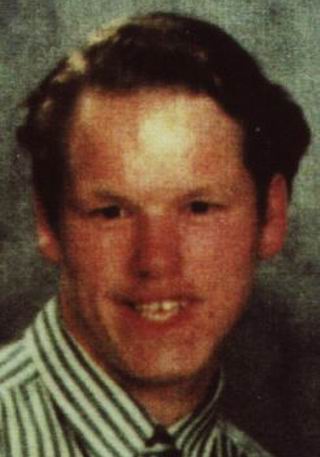
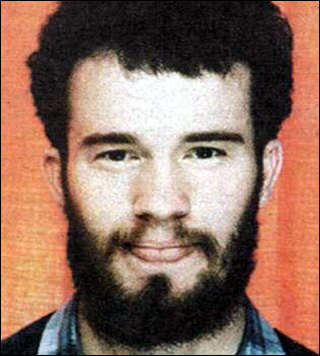
Robert Joe Wagner was born on November 28, 1971, in Parramatta, New South Wales. His criminal trajectory was cemented after forming a close association with John Justin Bunting in Salisbury North in 1991. Wagner functioned as a primary executor within a criminal cell defined by extreme violence and a total lack of empathy.
2. Crime Spree and Modus Operandi
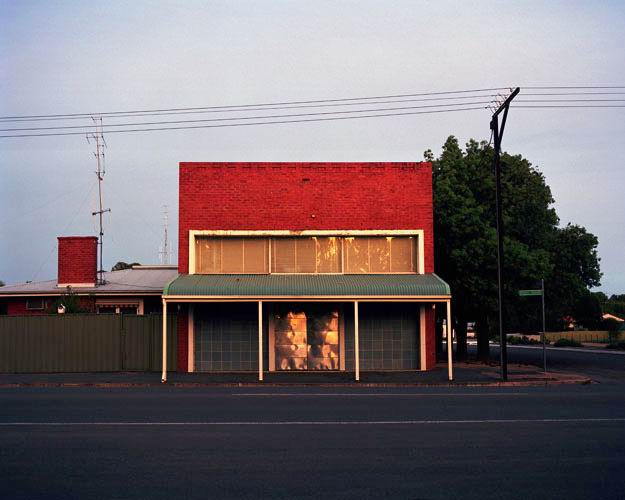
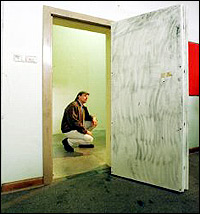
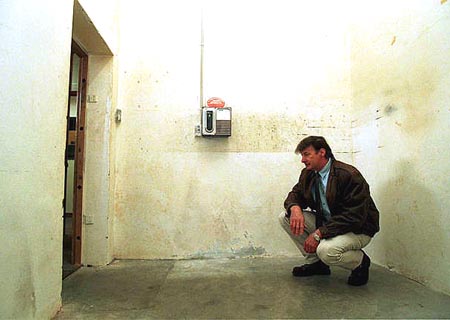
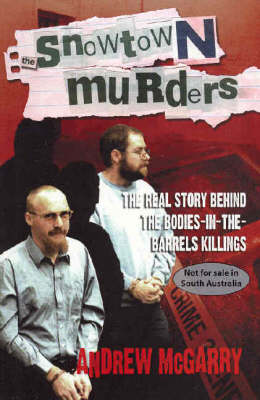
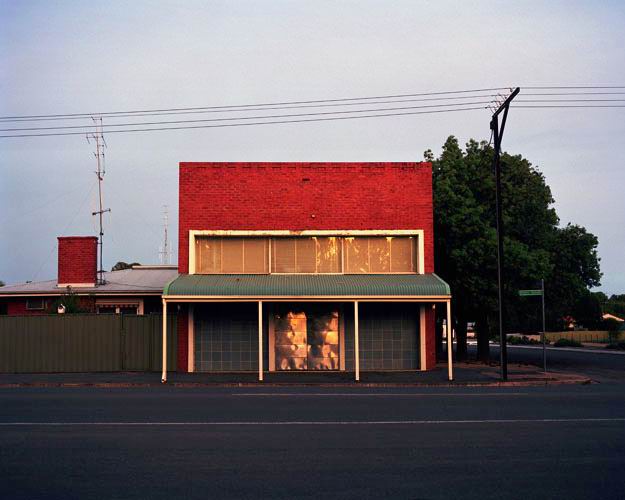
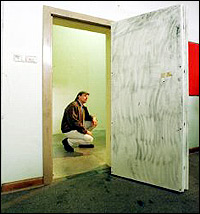
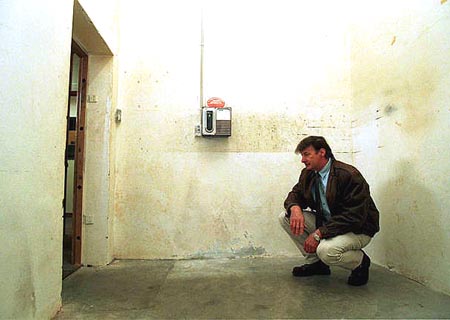
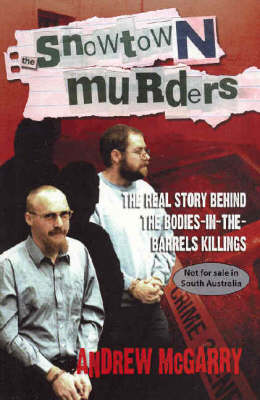
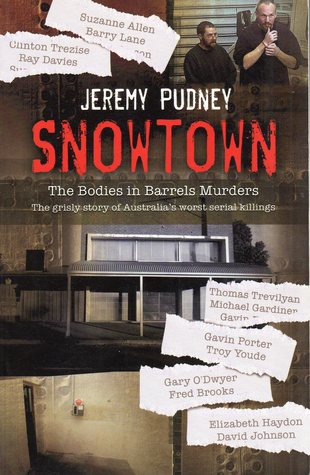
The crimes, known as the 'Bodies in Barrels' murders, spanned from 1992 to 1999. Victims were selected based on Bunting's arbitrary prejudices, including perceived pedophilia, obesity, or sexual orientation. Victims were subjected to prolonged torture using household tools before being killed. Remains were treated with hydrochloric acid and stored in barrels, eventually moved to a disused bank vault in Snowtown.
3. Investigation and Arrest
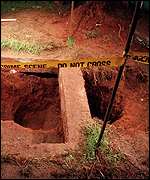
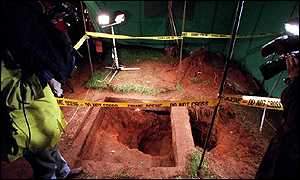
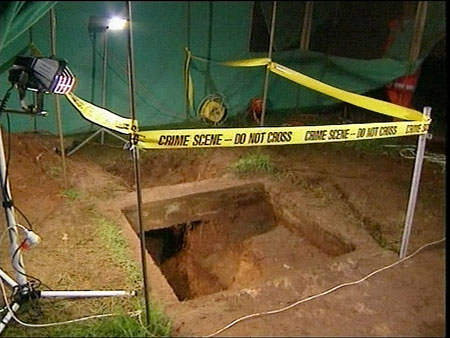
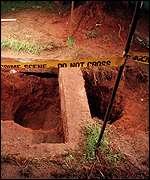
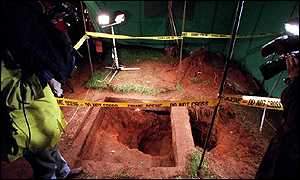
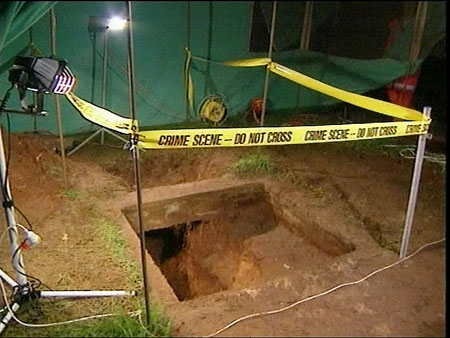
The investigation gained momentum following the disappearance of Elizabeth Haydon. Police surveillance of Mark Haydon's residence provided critical evidence. The discovery of the barrels in the Snowtown bank on May 20, 1999, led to the dismantling of the group. The crime scene was described by investigators as a 'nightmare' scenario.
4. Legal Proceedings and Outcome
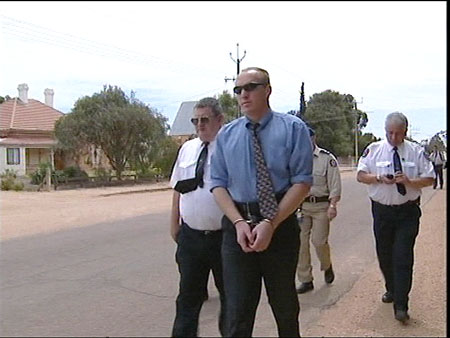
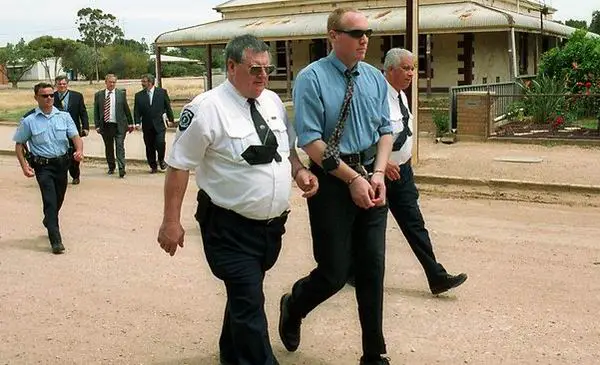
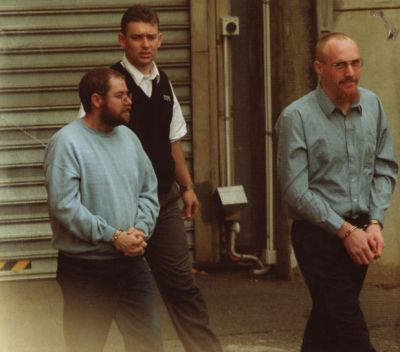
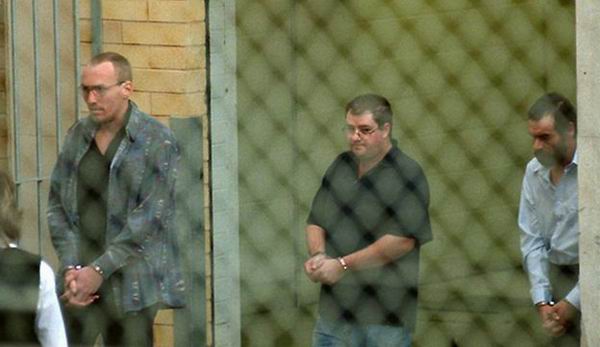
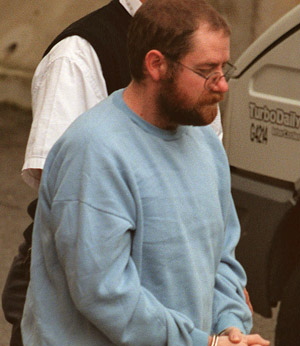
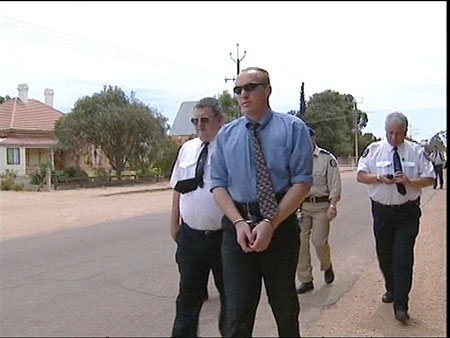
Wagner was arrested on May 20, 1999. Following a lengthy trial, he was convicted of ten counts of murder. On September 8, 2003, the Supreme Court of South Australia sentenced him to ten consecutive life sentences without the possibility of parole.
5. Psychiatric Assessment and Conclusion
Justice Brian Martin concluded that Wagner and his co-defendants were 'incapable of rehabilitation' and were 'in the business of killing for pleasure.' Wagner remains incarcerated serving his life sentences.