



Forensic & Criminological Matrix
| Parameter | Forensic Detail |
|---|---|
| Forensic Heading / Aliases | The Windsor Murderer, Druin, Williams, Jack the Ripper of the Southern Seas |
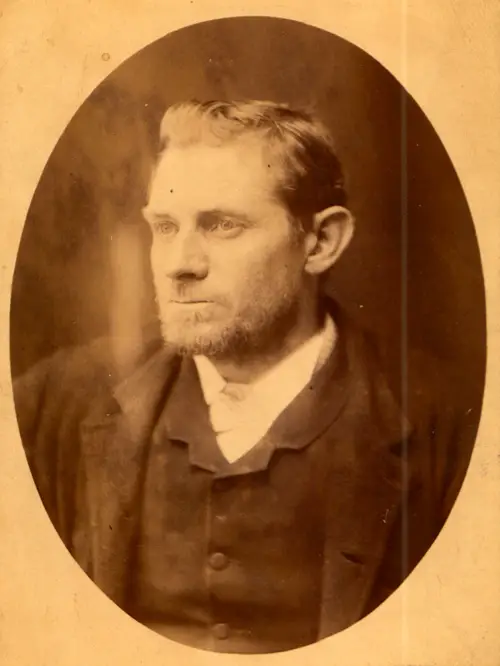
| Legal Identity | Frederick Bailey Deeming |
| Confirmed Victims | 6 |
| Attributed / Indicted Victims | 6 |
| Active Timeline | 1891-1892 |
| Jurisdiction / Area of Operations | United Kingdom, Australia, South Africa |
| Criminological Classification | Serial Killer / Familicide |
| Forensic Modus Operandi | Strangulation/Throat slitting and cement concealment |
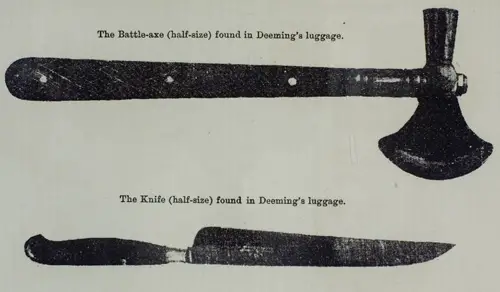
| Weapon / Mechanism of Death | Physical force, bladed weapon, cement |
| Motive / Behavioral Dynamics | Psychopathy, fraud, witness elimination |
| Judicial Outcome | Death sentence by hanging |
1. Background and Profile
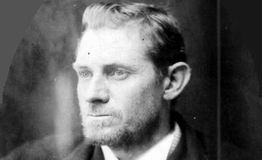
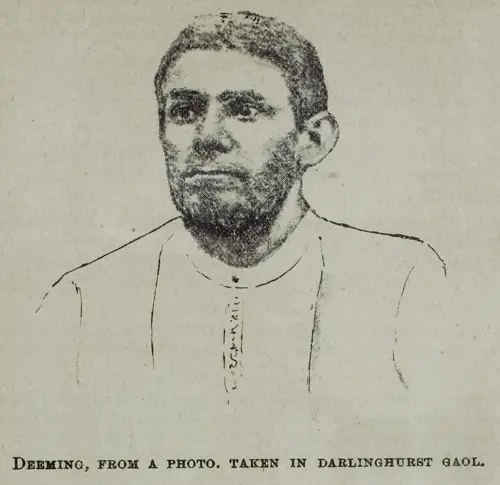
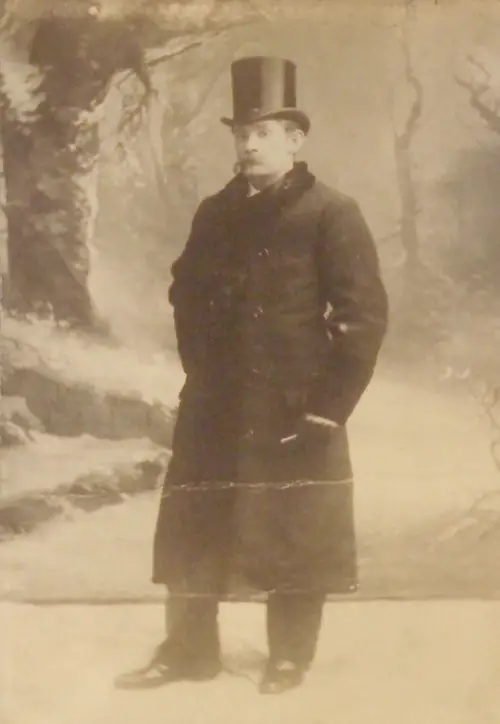
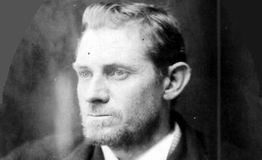
Born in Ashby-de-la-Zouch, Leicestershire (or possibly Birkenhead), England, in 1853, Frederick Bailey Deeming was a career criminal who spent his life engaging in fraud and bigamy. He ran away to sea at 16, serving as a merchant seaman before working as a gasfitter. His maritime career provided him with the mobility required to evade authorities across multiple continents, including stints in South Africa and South America. He married Marie James, with whom he fathered four children, while maintaining a lifestyle of constant deception and identity theft. His psychological profile suggested a high-functioning sociopath with a narcissistic need for reinvention.
2. Criminal Career and Modus Operandi
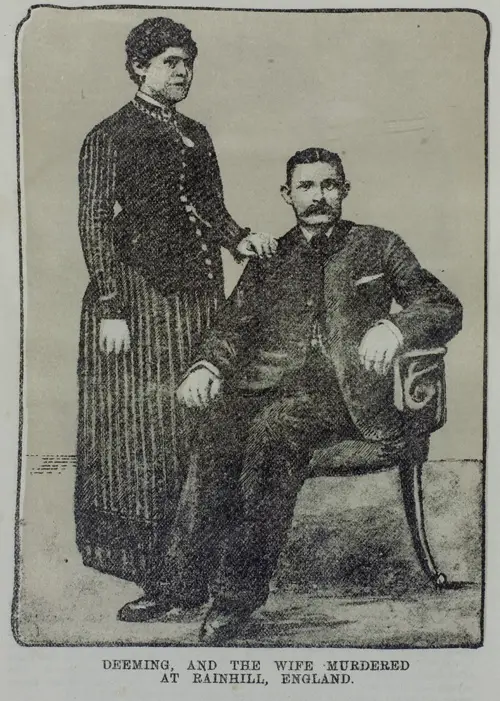
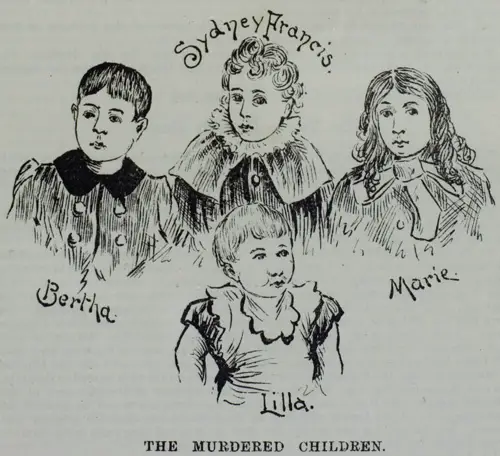
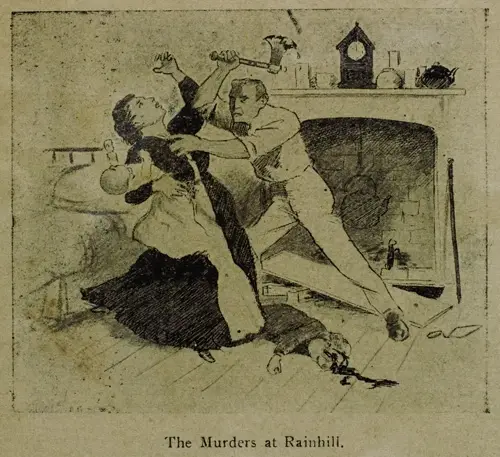
Deeming's criminal spree culminated in the murder of his first wife, Marie James, and their four children—Bertha, Mary, Sidney, and Leala—in Rainhill, England, in July 1891. Forensic examinations later showed that two children were strangled and two had their throats slit, indicating a methodical approach to the killings. He buried them beneath the floorboards of Dinham Villa, encased in a thick layer of cement.
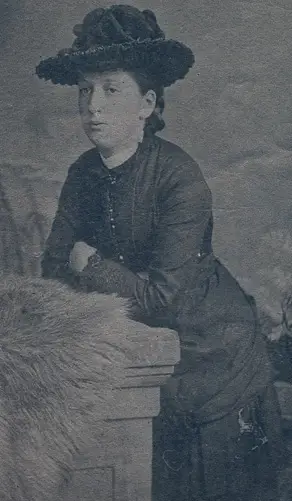
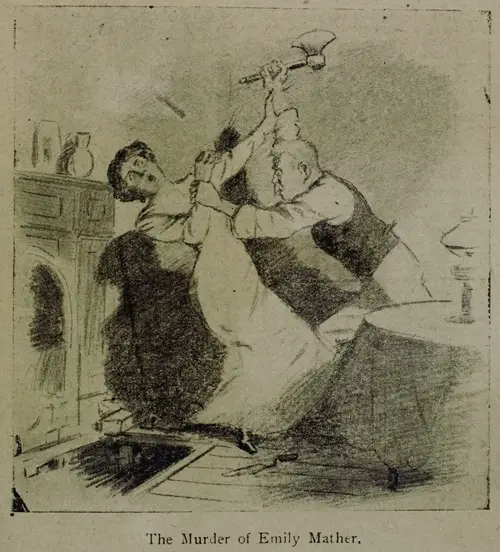
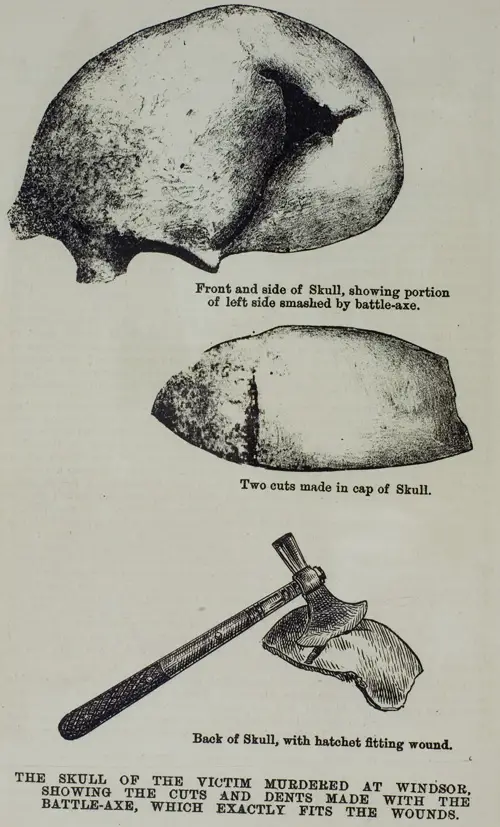
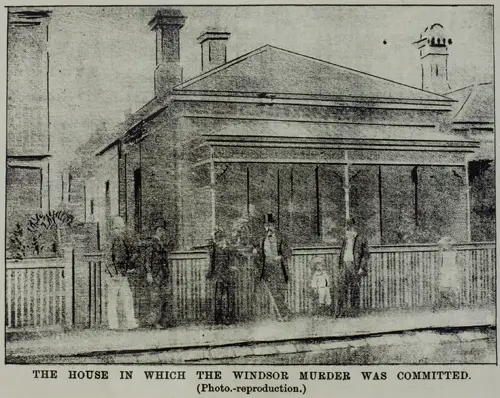
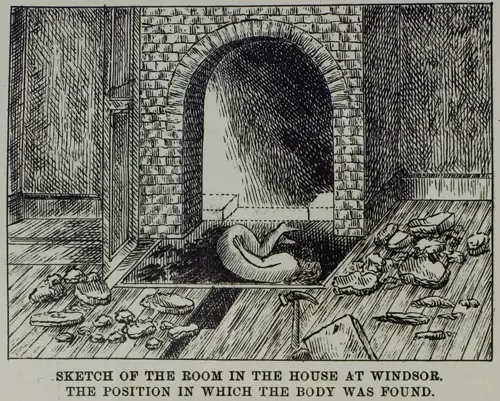
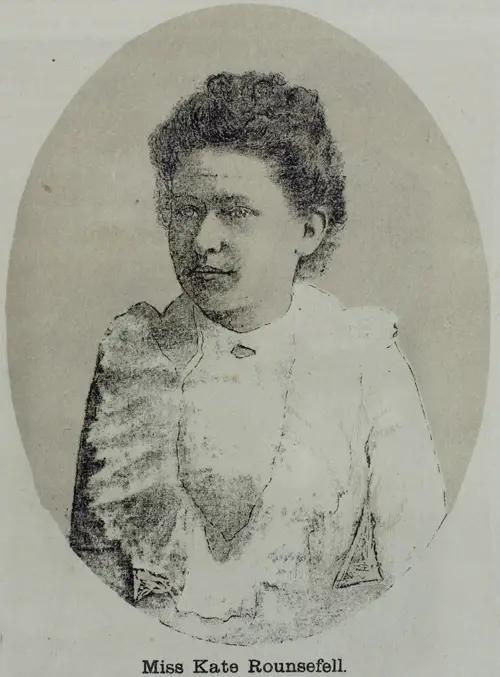
After marrying Emily Mather on September 22, 1891, he relocated to Melbourne aboard the Kaiser Wilhem II. In December 1891, he murdered Emily at their home at 57 Andrew Street, Windsor, using the same method of concealment under the hearthstone. This repetitive use of cement as a forensic countermeasure allowed him to maintain the facade of a grieving or traveling husband while he prepared his next escape.
3. Investigation and Arrest
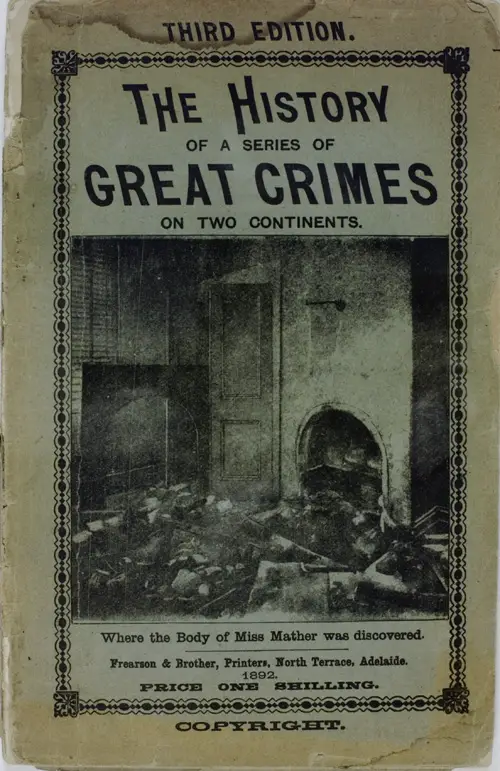
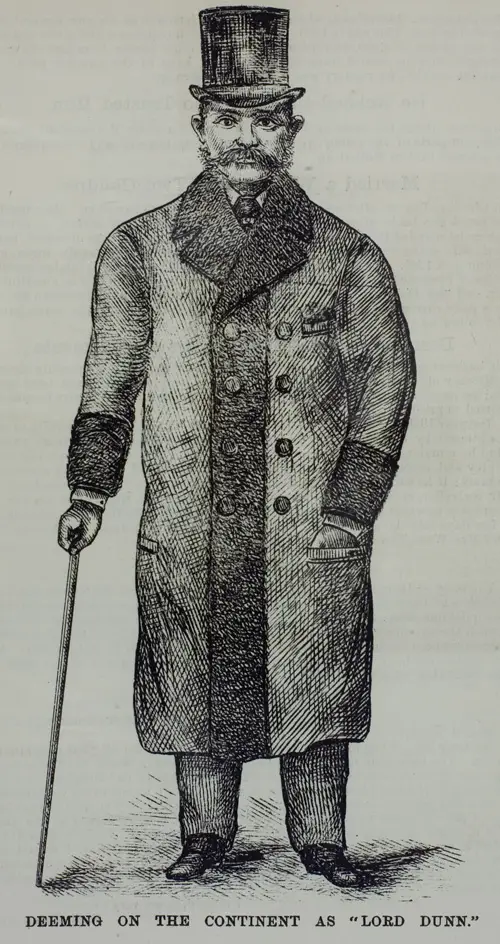
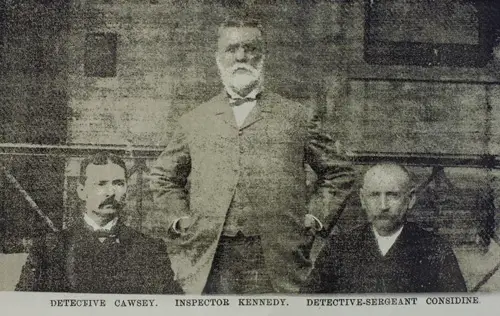
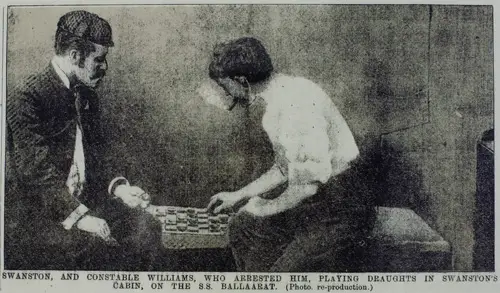
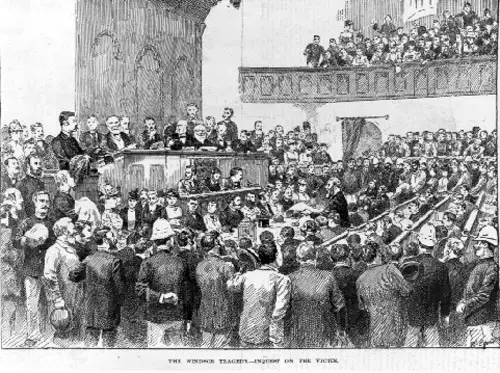
The discovery of Emily Mather's body on March 3, 1892, triggered by a tenant's complaint regarding a foul smell from the chimney, launched a massive police manhunt. Investigators identified his pattern of using aliases, such as 'Druin', and forged testimonials. The discovery of the Rainhill victims in England, found under similar circumstances, further intensified the search and linked the crimes internationally. He was eventually located in Southern Cross, Western Australia, where he was arrested on March 11, 1892, while using the surname 'Williams' and claiming to be Baron Swanston.
4. Legal Proceedings and Outcome
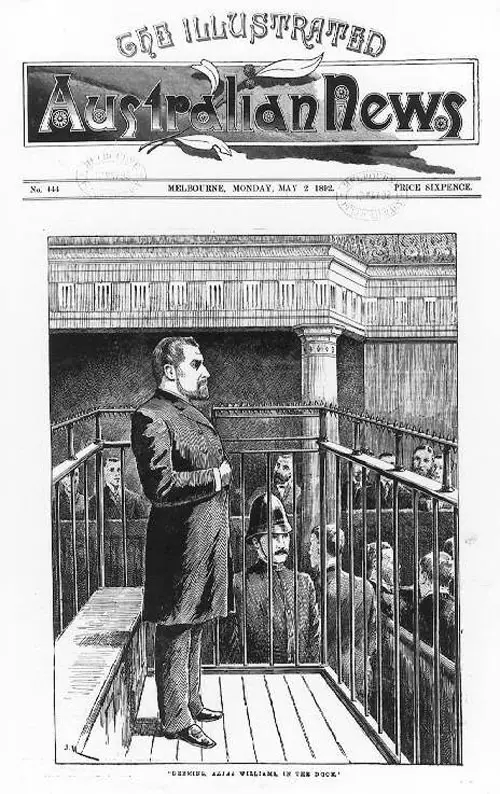
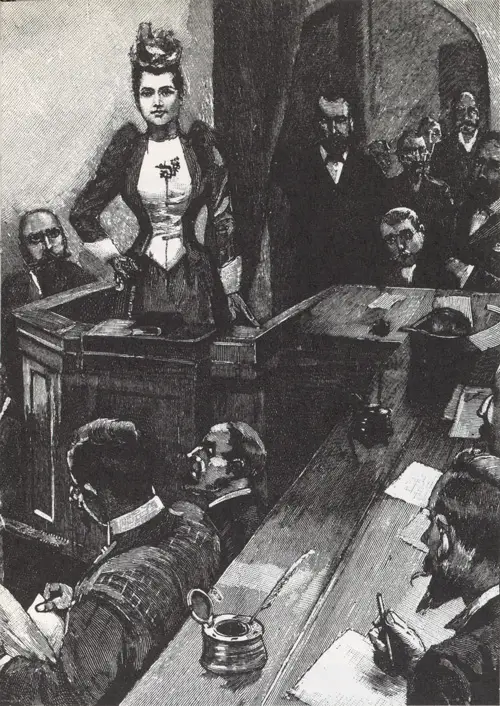
Deeming's trial in Melbourne in April 1892 was a landmark case. He was defended by Alfred Deakin, a brilliant lawyer who would later become Australia's second Prime Minister. Deakin attempted to plead insanity, citing Deeming's claims of being visited by the ghost of his mother. However, the prosecution successfully argued that his elaborate efforts to hide the bodies and his calculated use of aliases proved legal sanity. The evidence was overwhelming. The prosecution highlighted his history of fraud in Johannesburg and Cape Town, as well as a 1887 conviction for fraudulent bankruptcy in Australia. He was found guilty and sentenced to death.
5. Forensic Conclusion
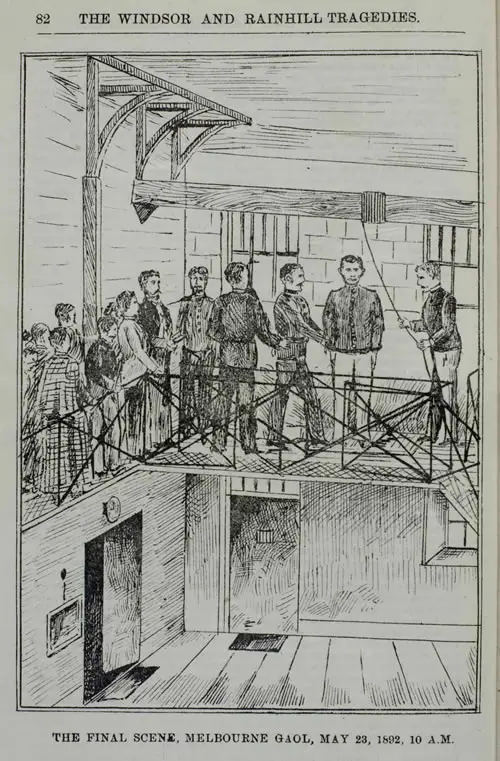
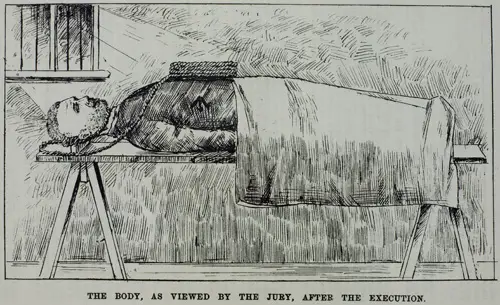
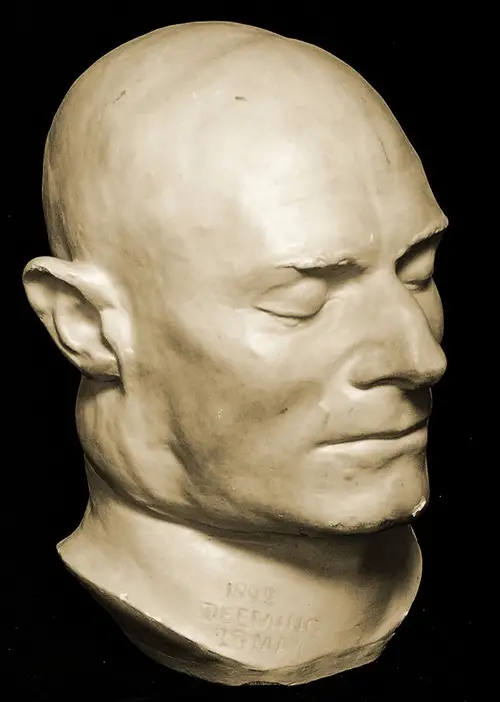
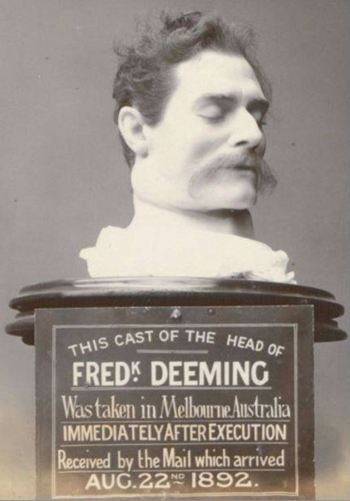
Frederick Deeming was hanged on May 23, 1892, at Melbourne Gaol. His case remains a subject of criminological interest, particularly regarding the 'Jack the Ripper' theories. Dubbed 'Jack the Ripper of the Southern Seas' by the press, his movements and violent tendencies aligned with the Whitechapel timeline, although South African court records provided an alibi for the 1888 murders. His death mask is still displayed at Scotland Yard's Black Museum, serving as a primary artifact of 19th-century forensic history.