



Forensic & Criminological Matrix
| Parameter | Forensic Detail |
|---|---|
| Forensic Heading / Aliases | The Brownout Strangler, The Singing Strangler |
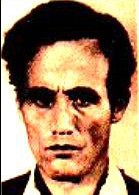
| Legal Identity | Edward Joseph Leonski |
| Confirmed Victims | 3 |
| Attributed / Indicted Victims | 3 |
| Active Timeline | May 1942 |
| Jurisdiction / Area of Operations | Melbourne, Australia |
| Criminological Classification | Serial Killer (Spree killer) |
| Forensic Modus Operandi | Manual strangulation during wartime blackouts |
| Weapon / Mechanism of Death | Manual strangulation |
| Motive / Behavioral Dynamics | Sadistic impulses, severe alcoholism |
| Judicial Outcome | Executed by hanging on November 9, 1942 |
1. Background and Profile
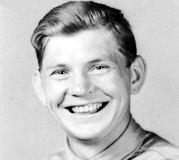
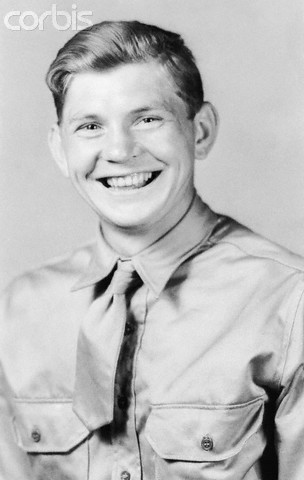
Edward Joseph Leonski was born on December 12, 1917, in Kenvil, New Jersey. Born to Russian immigrants, he was raised in a dysfunctional family environment marked by maternal mental instability and his brothers' criminal records. After enlisting in the U.S. Army in 1941, he was deployed to Australia in 1942. His psychological profile revealed significant instability, exacerbated by severe alcoholism and erratic behavior.
2. Crime Spree
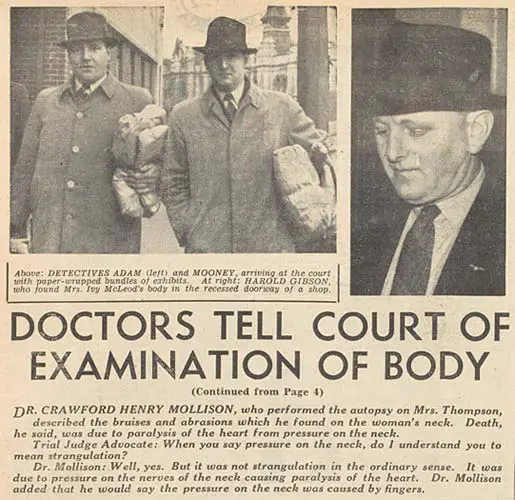
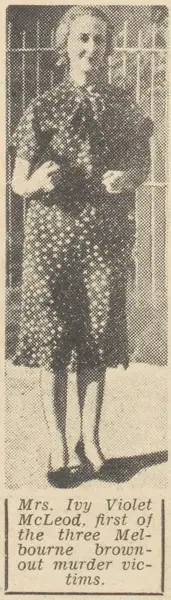
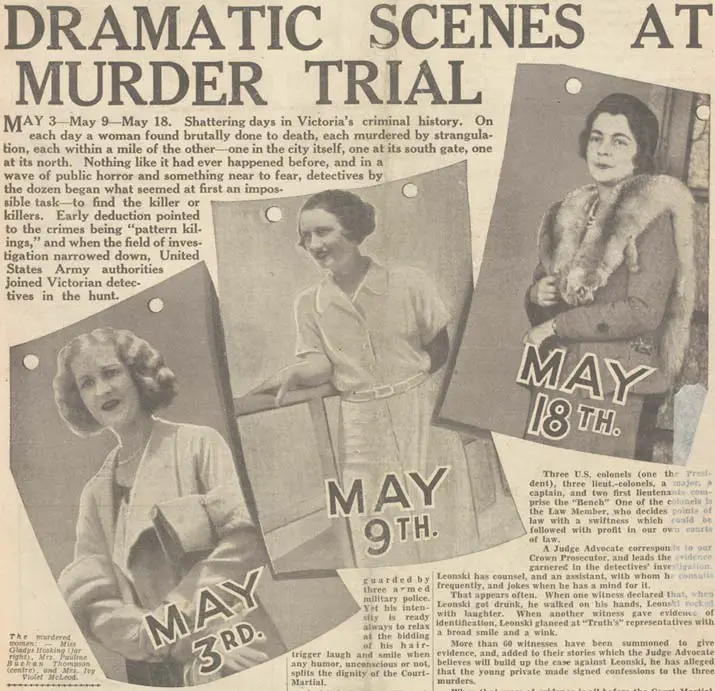
During the wartime brownouts in Melbourne, Leonski murdered three women: Ivy McLeod (May 3), Pauline Thompson (May 9), and Gladys Hosking (May 18). His modus operandi involved stalking women alone in the dark, manually strangling them, and occasionally exposing their genitals without committing sexual assault. His statement regarding one victim, 'I wanted that voice, I choked her,' suggests a pathological fixation on the female voice.
3. Investigation and Arrest
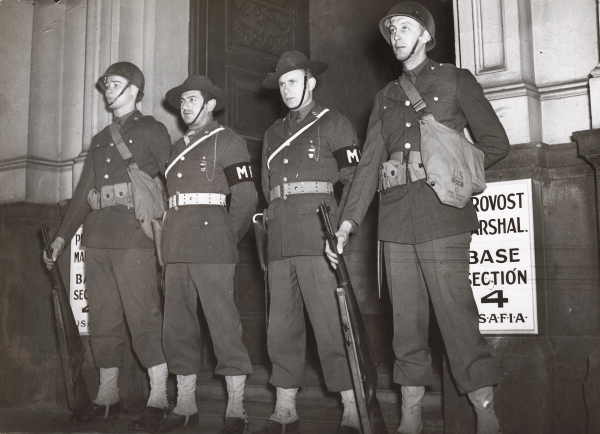
Investigation was conducted by U.S. military authorities in coordination with local police. The turning point was the testimony of a fellow soldier to whom Leonski had confessed. He was arrested on May 22, 1942, following diligent investigative work.
4. Legal Proceedings and Outcome
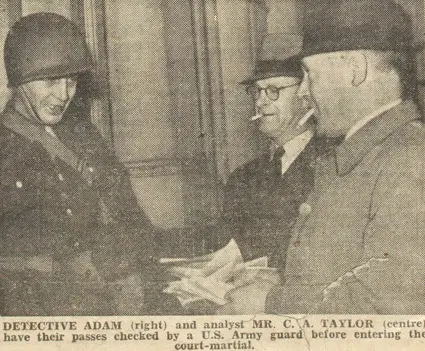
Leonski was tried by a U.S. military court-martial. Despite defense efforts to plead insanity, he was declared sane. General Douglas MacArthur personally confirmed the death sentence, a rare administrative action that set a precedent in military justice.
5. Psychiatric Assessment and Execution
While no specific clinical diagnosis was finalized during the trial, his behavior in prison—including reading literature and converting to Catholicism—contrasted sharply with his violent crimes. He was executed at Pentridge Prison on November 9, 1942.