Forensic & Criminological Matrix
| Parameter | Forensic Detail |
|---|---|
| Forensic Heading / Aliases | Snowy |
| Legal Identity | John Thomas Smith |
| Confirmed Victims | 1 |
| Attributed / Indicted Victims | 3 |
| Active Timeline | 1929-1930 |
| Jurisdiction / Area of Operations | Western Australia |
| Criminological Classification | Itinerant Serial Killer |
| Forensic Modus Operandi | Incineration and chemical destruction of remains |
| Weapon / Mechanism of Death | Shooting / Incineration and acid |
| Motive / Behavioral Dynamics | Financial gain |
| Judicial Outcome | Death penalty by hanging |
1. Background and Profile
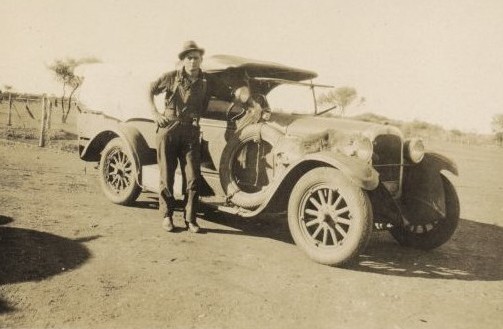
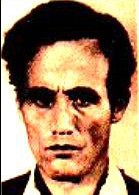
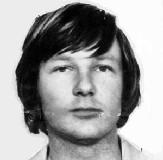
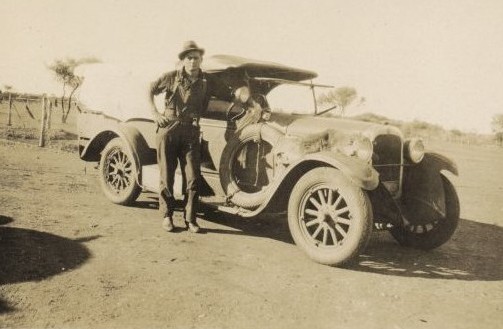
John Rowles, known as 'Snowy', was an itinerant stockman operating in the Murchison region of Western Australia. He was a fugitive from justice, having escaped from Dalwallinu prison in 1928 while serving time for burglary under his legal name, John Thomas Smith. He exhibited high levels of manipulation and predatory behavior.
2. Crime Spree
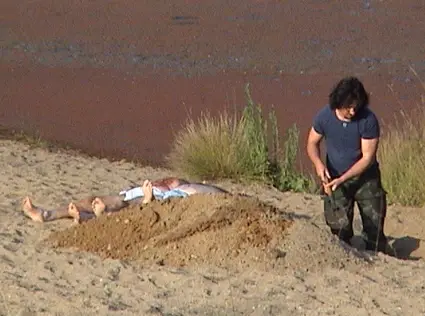
Rowles gained notoriety for utilizing a body-disposal method discussed by author Arthur Upfield for his then-unpublished novel The Sands of Windee. The method involved burning the victim, crushing the bones, and dissolving them in acid. He murdered James Ryan, George Lloyd, and Louis Carron (born Leslie George Brown) to steal their assets.
3. Investigation and Arrest
Investigations were triggered by the disappearance of Louis Carron. Police linked Rowles to the missing men through witness accounts and forensic evidence, specifically a uniquely repaired wedding ring belonging to Carron. Detective-Sergeant Manning identified Rowles as the escaped convict John Thomas Smith during the arrest.
4. Legal Proceedings and Outcome
Rowles was tried for the murder of Louis Carron. The prosecution presented evidence of his knowledge of the fictional murder method and his deceptive behavior. The jury returned a guilty verdict after two hours of deliberation. He was executed by hanging on June 13, 1931.