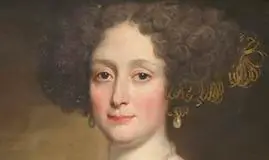




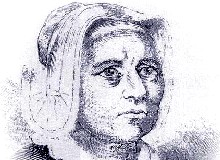
Forensic & Criminological Matrix
| Parameter | Forensic Detail |
|---|---|
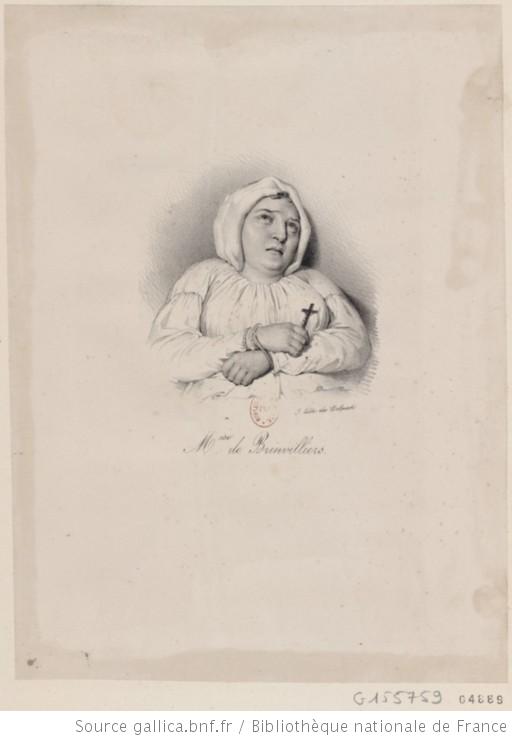
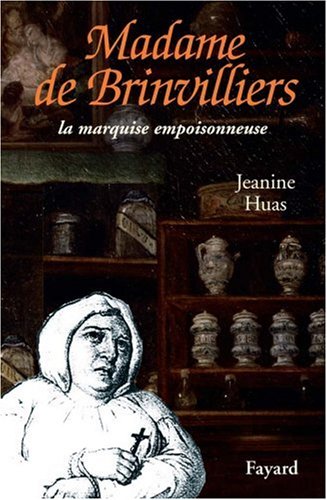
| Forensic Heading / Aliases | The Marquise de Brinvilliers, Madame de Brinvilliers |
| Legal Identity | Marie-Madeleine-Marguerite d'Aubray (Daughter of Dreux d'Aubray) |
| Confirmed Victims | 3 (suspected dozens more among hospital patients) |
| Active Timeline | 1664 - 1673 |
| Jurisdiction / Area of Operations | Paris and provinces, France |
| Criminological Classification | Profit-motivated serial killer / Poisoner |
| Forensic Modus Operandi | Surreptitious administration of toxic compounds in food and medicine; prior experimentation on charity recipients and hospital patients |
| Weapon / Mechanism of Death | Lethal chemical powders (inheritance powders) |
| Motive / Behavioral Dynamics | Illicit enrichment, familial greed, psychopathy, and toxic codependency with her accomplice-lover |
| Judicial Outcome | Sentenced to death, beheaded, and her body subsequently burned at the stake following torture (1676) |
1. Background and Psychopathy
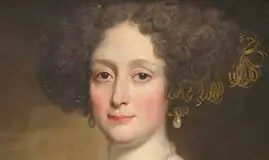
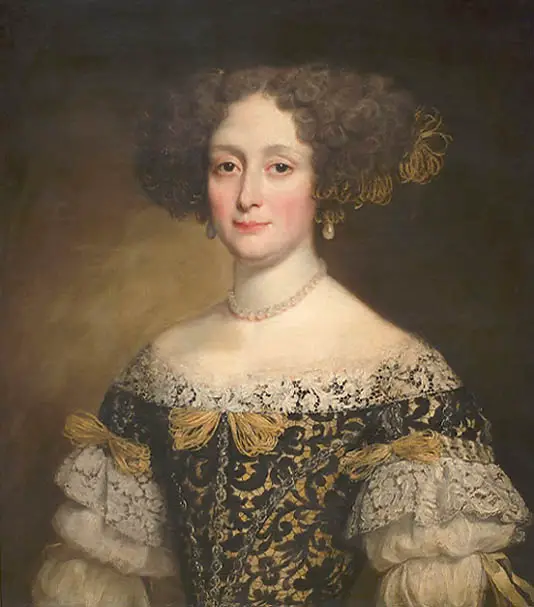
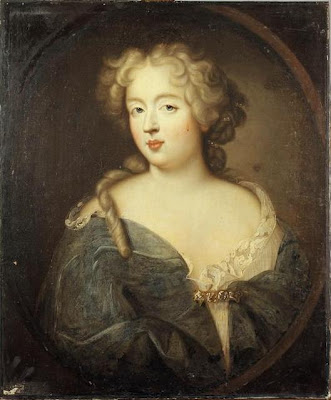
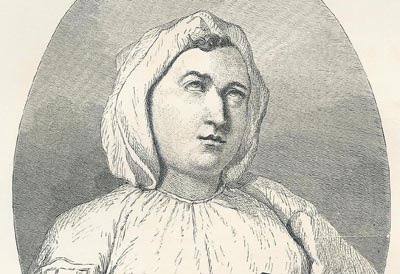
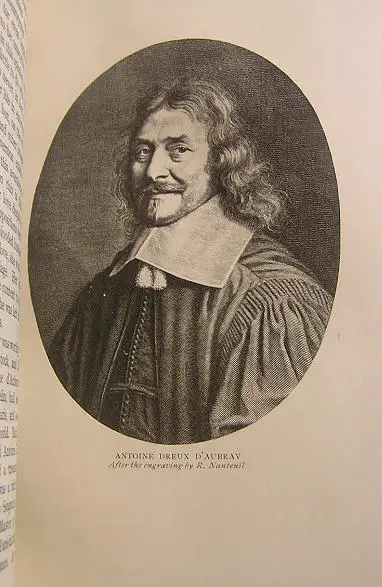
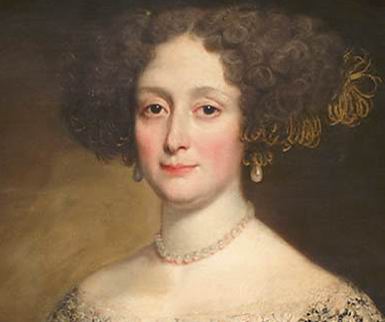
Marie-Madeleine-Marguerite d'Aubray was born in Paris on July 22, 1630, the daughter of Dreux d'Aubray, the civil lieutenant of Paris. In 1651, she married the Marquis de Brinvilliers. Despite initial contemporary descriptions presenting her as a petite, attractive woman with an air of childlike innocence, her private life quickly spiraled into scandal. In 1659, her husband introduced her to Godin de Sainte-Croix, a handsome cavalry officer with a dissolute reputation, who soon became her lover.
2. Crime Spree
Following family backlash that included Sainte-Croix's temporary imprisonment in the Bastille via a lettre de cachet secured by her father, Sainte-Croix allegedly acquired advanced knowledge of poisons from fellow inmates such as the Italian poisoner Exili. Together with his willing mistress, a systematic plot was hatched to eliminate her family members to secure their substantial fortune. To test the efficacy and subtlety of the poisons, the Marquise experimented on the poor seeking her charity and sick patients in Parisian hospitals. Between 1666 and 1670, she successfully poisoned her father, Antoine Dreux d'Aubray, and subsequently her two brothers, Antoine and François d'Aubray, aided by household valets such as La Chaussée.
3. Police Investigation and Forensic Hunt
Although post-mortem examinations hinted at unnatural causes of death, suspicion initially bypassed the perpetrators. The pivotal breakthrough occurred in 1672 with the sudden death of Godin de Sainte-Croix from natural causes. Because he left no immediate heirs, police searched his quarters and uncovered damning correspondence, documents, and chemical formulas that directly incriminated both the Marquise and La Chaussée.
4. Arrest and Judicial Proceedings
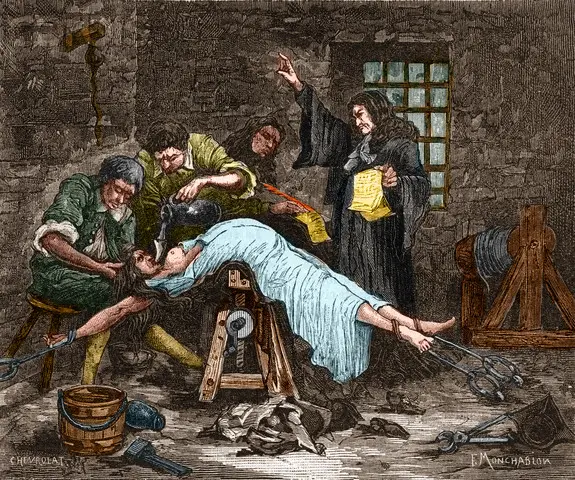
Following the evidentiary discovery, accomplice La Chaussée was arrested, tortured into a full confession, and executed on the breaking wheel in 1673. The Marquise fled France, seeking refuge successively in England, Germany, and finally within a convent in Liège. French authorities deployed an operative disguised as a priest to lure her outside sanctuary, successfully capturing her. Her attempted suicide was thwarted, and she was extradited to Paris. Subjected to the severe water cure torture, she ultimately confessed to her crimes.
5. Psychiatric Assessment and Outcome
On July 17, 1676, Marie-Madeleine-Marguerite d'Aubray was publicly beheaded in Paris, and her remains were burned at the stake with her ashes scattered. Her sensational trial and confessions exposed a vast underworld of fortune-tellers, alchemist-poisoners, and corrupt aristocrats, directly triggering the massive judicial scandal known as the Affair of the Poisons (L'affaire des poisons) during the reign of King Louis XIV.