



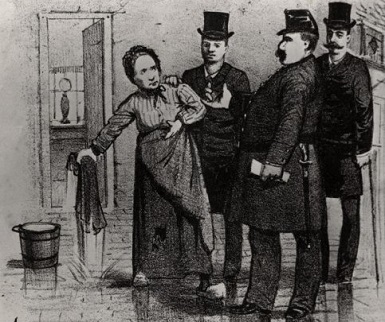
Forensic & Criminological Matrix
| Parameter | Forensic Detail |
|---|---|
| Forensic Heading / Aliases | Lucia de Berk (Lucia de B., Lucy de B.) |
| Legal Identity | Lucia de Berk |
| Confirmed Victims | 0 (Miscarriage of justice / Exonerated) |
| Active Timeline | September 2000 – September 2001 (Period of alleged incidents) |
| Jurisdiction / Area of Operations | The Hague, Netherlands (Juliana Children's Hospital, Red Cross Hospital, Leyenburg Hospital) |
| Criminological Classification | Miscarriage of Justice / False accusation of medical serial killer |
| Forensic Modus Operandi | Non-existent (Prosecution based on flawed statistical correlation and confirmation bias) |
| Weapon / Mechanism of Death | None (Unfounded allegations of poisoning and drug overdoses) |
| Motive / Behavioral Dynamics | None (Innocent; victim of forensic and statistical flaws) |
| Judicial Outcome | Initial life sentence (2003-2004); case reopened in 2008 and full exoneration by the Supreme Court in April 2010 |
1. Background and Psychopathy
Lucia de Berk was a licensed pediatric nurse practicing in various hospitals across The Hague, Netherlands. Her personal and professional profile revealed no psychiatric pathologies or criminal history. However, in late 2001, following the unexpected death of an infant at the Juliana Children's Hospital, hospital authorities and law enforcement initiated a retrospective scrutiny of her employment history, mistakenly identifying her as a healthcare serial killer.
2. Crime Spree
The initial judicial investigation theorized that De Berk had poisoned multiple pediatric and adult patients through lethal drug doses and induced cardiac arrests. Subsequent independent scientific reviews conclusively demonstrated that these crimes never took place. The alleged deaths and medical emergencies were attributable to natural causes, prescription errors unrelated to the nurse, or biased interpretations of medical records retroactively reclassified as suspicious.
3. Police Investigation and Forensic Hunt
The investigation was severely compromised by confirmation bias and the misuse of statistical models. The prosecution argued that the probability of a nurse being present at so many deaths and incidents purely by chance was 1 in 342 million. International statistical experts later proved this figure to be mathematically erroneous, stemming from incomplete data, administrative errors regarding De Berk's actual shift schedules, and selective reporting of events.
4. Arrest and Trial
Lucia de Berk was arrested on December 13, 2001. In March 2003, the court in The Hague sentenced her to life imprisonment for four murders and three attempted murders. In the June 2004 appeal, her conviction was expanded to seven murders and three attempts under the controversial doctrine of "chain-link proof," whereby subsequent suspicious incidents required substantially weaker evidence once initial convictions were secured. False witness testimonies and procedural pressures heavily influenced the appellate proceedings.
5. Psychiatric Assessment and Outcome
Although prosecutors attempted to link her to psychological disorders, the official state psychiatric observation unit found no evidence of mental illness. Due to the tireless efforts of independent analysts, investigative journalists such as Peter R. de Vries, and scientists including philosopher Ton Derksen and statistician Richard D. Gill, the case was reopened. In October 2008, the Supreme Court ordered a retrial, and in April 2010, Lucia de Berk was fully exonerated, marking one of the most notorious miscarriages of justice in Dutch legal history.