


Forensic & Criminological Matrix
| Parameter | Forensic Detail |
|---|---|
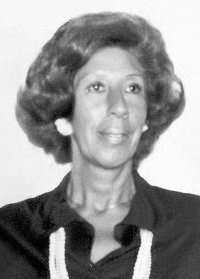
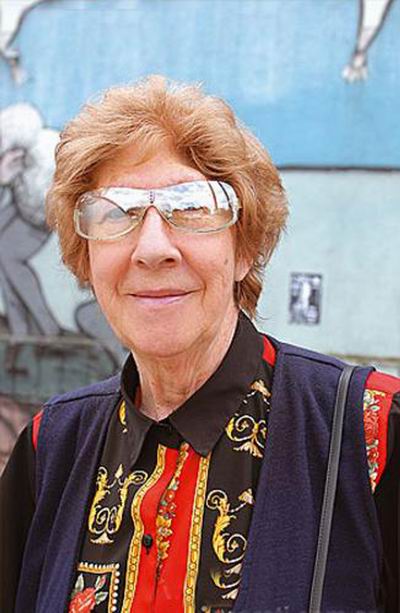
| Full Legal Name | María de las Mercedes Bolla Aponte de Murano |
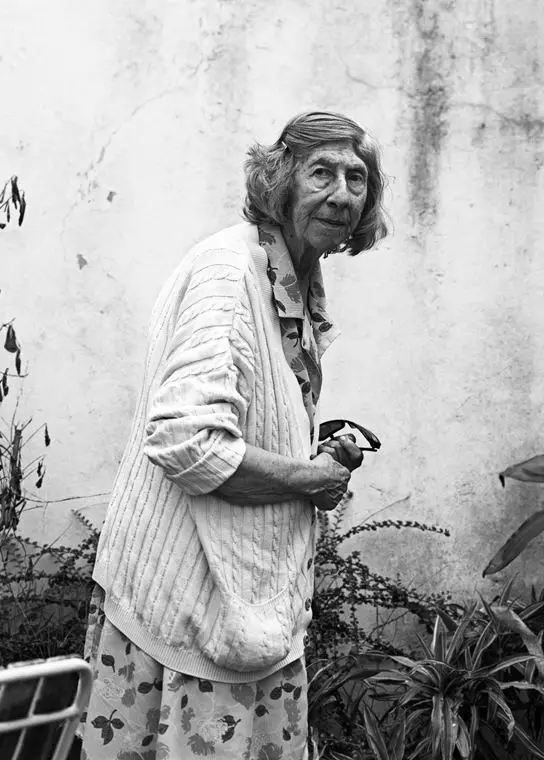
| Media & Cultural Moniker | The Poisoner of Monserrat, Yiya Murano |
| Nationality | Argentine |
| Date of Birth | May 20, 1930, Corrientes, Argentina |
| Date of Death | April 26, 2014 (aged 83) |
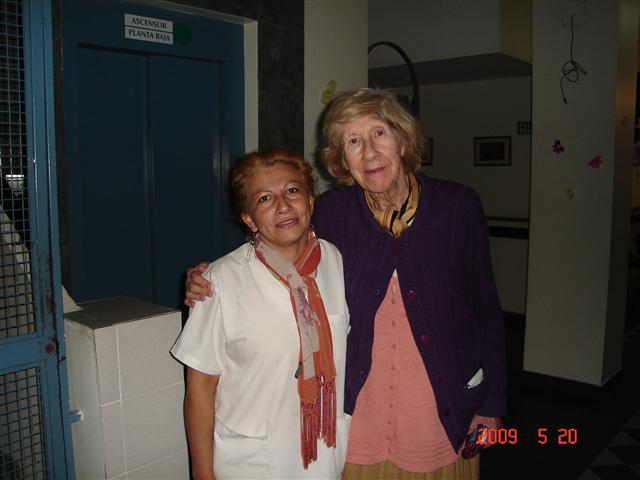
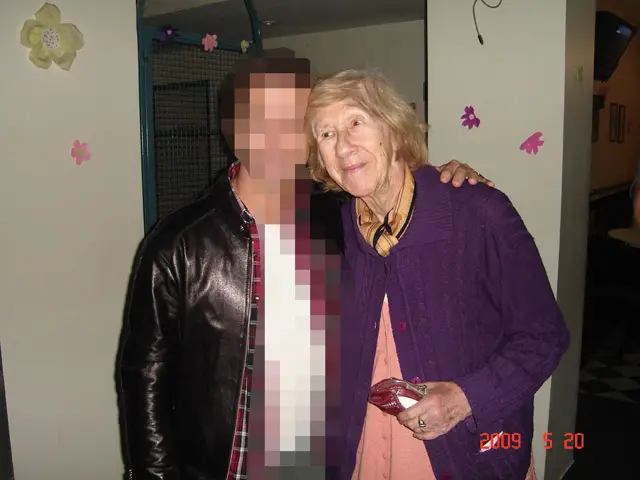
| Place of Death | Nursing home facility in Belgrano, Buenos Aires |
| Penal Status | Sentenced to life imprisonment in 1985; released on parole in November 1995 under the "two-for-one" pre-trial computation statute |
| Confirmed Poisoning Fatalities | 3 close friends and relatives (Carmen Zulema del Giorgio de Venturini, Nélida Gamba, Chicha Formisano de Ayala) |
| Crime Geography | Monserrat neighborhood, Autonomous City of Buenos Aires, Argentina |
| Active Crime Span | February – March 1979 |
| Lethal Toxic Agent | Potassium cyanide (ingested orally) |
| Vehicle of Ingestion | High-end French confectionery pastries (masas finas / petit fours) and tea |
| Criminal Motive | Concealment of an insolvent Ponzi money-lending scheme and theft of promissory financial notes |
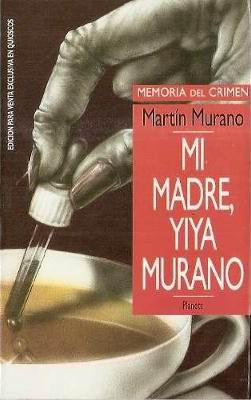
| Cultural Significance | Argentina's most famous female serial killer; dramatized in literature and national television (Mujeres Asesinas) |
The Elite Underground Money Market
María de las Mercedes Bolla Aponte, known socially as Yiya Murano, occupied an apartment on México Street in Buenos Aires’ historic Monserrat district. Presenting herself as a polished, sophisticated society matron, she claimed privileged connections to elite financial brokerage houses.
During Argentina's late 1970s military dictatorship—a period characterized by reckless financial speculation known as "easy money" (la plata dulce)—Murano established an informal, clandestine lending pool. She persuaded neighbors, close friends, and relatives to entrust her with their cash savings, promising monthly yields of 20% to 30%, vastly exceeding legal banking interest.
In practice, Murano was operating an unsustainable Ponzi scheme: early investors received returns funded by newcomer deposits while she diverted substantial sums to finance domestic luxuries. When speculative markets plummeted in late 1978, liquidity vanished. Promissory notes bounced, and her investors demanded immediate repayment of their capital notes.
The Cyanide Pastry Spree (1979)
To eradicate both her escalating debts and the legal promissory documentation held by her creditors, Murano devised a targeted poisoning scheme using potassium cyanide:
- Nélida Gamba (February 10, 1979): Neighbor and investor who handed Murano massive sums. Murano visited Gamba's home with a tray of fresh sweet pastries. Shortly after consumption, Gamba suffered severe spasms, nausea, and cardiac arrest, dying before paramedics arrived. The attending doctor certified natural cardiac infarction. Murano removed incriminating loan receipts from Gamba’s desk.
- Chicha Formisano de Ayala (February 23, 1979): Long-time friend demanding return of her savings. Following an afternoon tea with Murano, Formisano was found dead in her armchair. Initial medical certificates attributed death to heart failure.
- Carmen Zulema del Giorgio de Venturini (March 1979): Murano’s second cousin. After sharing tea and pastries with Murano in her apartment, Carmen collapsed in the building hallway while crying for help. Before dying in the hospital, she informed building residents that Murano had just served her food. Murano returned to the apartment to retrieve checkbooks and debt notes.
Toxicological Detection and Exhumations
Carmen del Giorgio's daughter Diana Venturini suspected foul play upon discovering that her mother's 20-million-peso promissory notes were missing and that Murano had been present at the scene.
Diana filed a formal criminal complaint. Investigating magistrate Judge Ángel Silva ordered an immediate judicial autopsy.
Toxicological evaluations by the Forensic Medical Corps detected massive, lethal quantities of potassium cyanide throughout Carmen del Giorgio’s stomach and vital organs.
Recognizing a potential serial pattern, Judge Silva ordered the exhumations of Nélida Gamba and Chicha Formisano. Comprehensive laboratory spectrometry confirmed identical potassium cyanide traces across both exhumed cadavers, scientifically disproving cardiac death and proving intentional serial poisoning.
On April 27, 1979, federal police arrested Yiya Murano at her Monserrat residence.
Trial, Appeals, and Controversial Release
In 1982, lower-court judge Rodolfo Aguilar initially acquitted Murano citing lack of direct eyewitness evidence showing her physically spiking the pastries.
However, in 1985 the National Criminal Court of Appeals overturned the acquittal, citing overwhelming forensic toxicology and timeline circumstantial evidence. Murano was sentenced to life imprisonment (reclusión perpetua).
Incarcerated at Ezeiza Women’s Prison, Murano benefited from the "two-for-one" legal rule (counting pre-trial detention years double). In November 1995, after sixteen years of actual incarceration, she was granted parole.
Media Iconography and Final Years
Following her release, Murano embraced her criminal celebrity, appearing frequently on Argentine talk shows—most notably on Mirtha Legrand’s daytime program, where she offered tea pastries to television guests with cynical irony.
Suffering from Parkinson's disease and dementia, Yiya Murano spent her final years in a Buenos Aires nursing home, dying on April 26, 2014, at age eighty-three.