




Forensic & Criminological Matrix
| Parameter | Forensic Detail |
|---|---|
| Forensic Heading / Aliases | Agent H-21, Mata Hari |
| Legal Identity | Margaretha Geertruida Zelle (Daughter of Adam Zelle and Antje van der Meulen) |
| Confirmed Victims | 0 direct (Indirectly attributed up to 50,000 military casualties via disclosure of military secrets) |
| Active Timeline | 1914 – 1917 |
| Jurisdiction / Area of Operations | France, Spain, Netherlands, Germany |
| Criminological Classification | Wartime espionage agent / Tactical seduction operative |
| Forensic Modus Operandi | Cultivation of romantic-sexual relationships with high-ranking military and diplomatic personnel for intelligence extraction |
| Weapon / Mechanism of Death | Social infiltration, encrypted correspondence, oral disclosures, invisible ink |
| Motive / Behavioral Dynamics | Financial gain, personal lifestyle preservation, histrionic-narcissistic personality dynamics |
| Judicial Outcome | Sentenced to death for high treason and espionage by a French Military Tribunal; executed by firing squad |
1. Background and Psychopathy
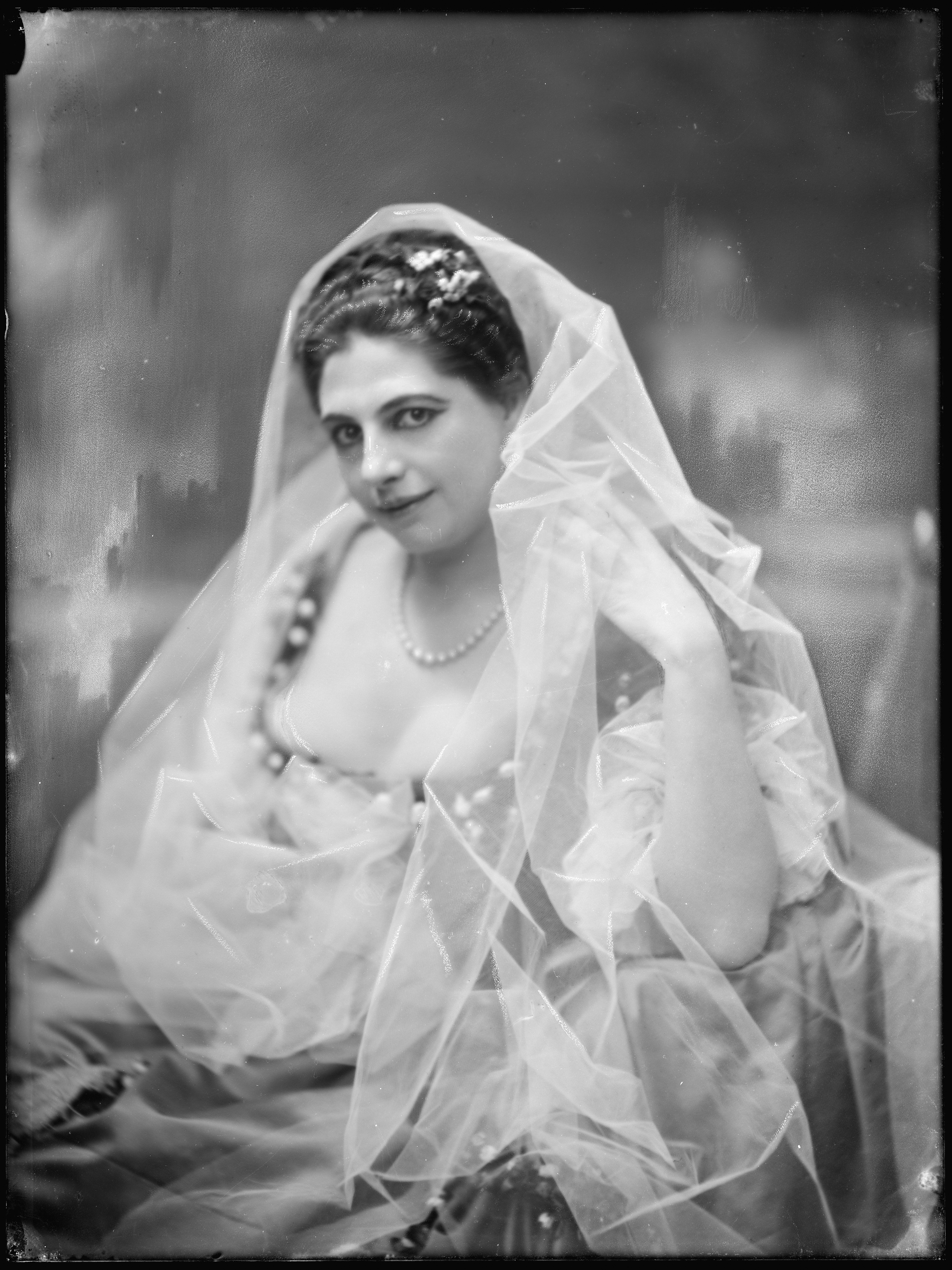
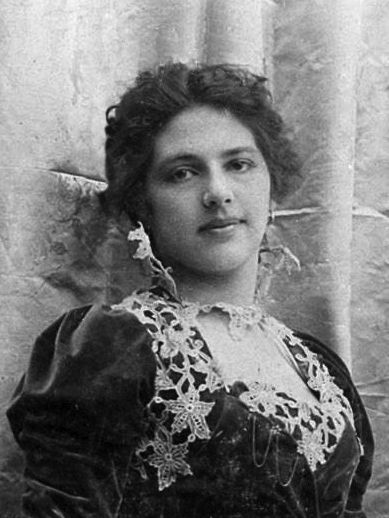
Margaretha Geertruida Zelle was born on August 7, 1876, in Leeuwarden, Netherlands. Raised in an affluent family that subsequently suffered financial ruin and the early loss of her mother, she developed an exceptional capacity for social adaptation and interpersonal manipulation early in life. Following a tumultuous and abusive marriage to Dutch colonial officer Rudolph MacLeod in the Dutch East Indies —where she lost her eldest son to poisoning and acquired knowledge of sacred oriental dance— Zelle returned to Europe and fully reinvented her identity.
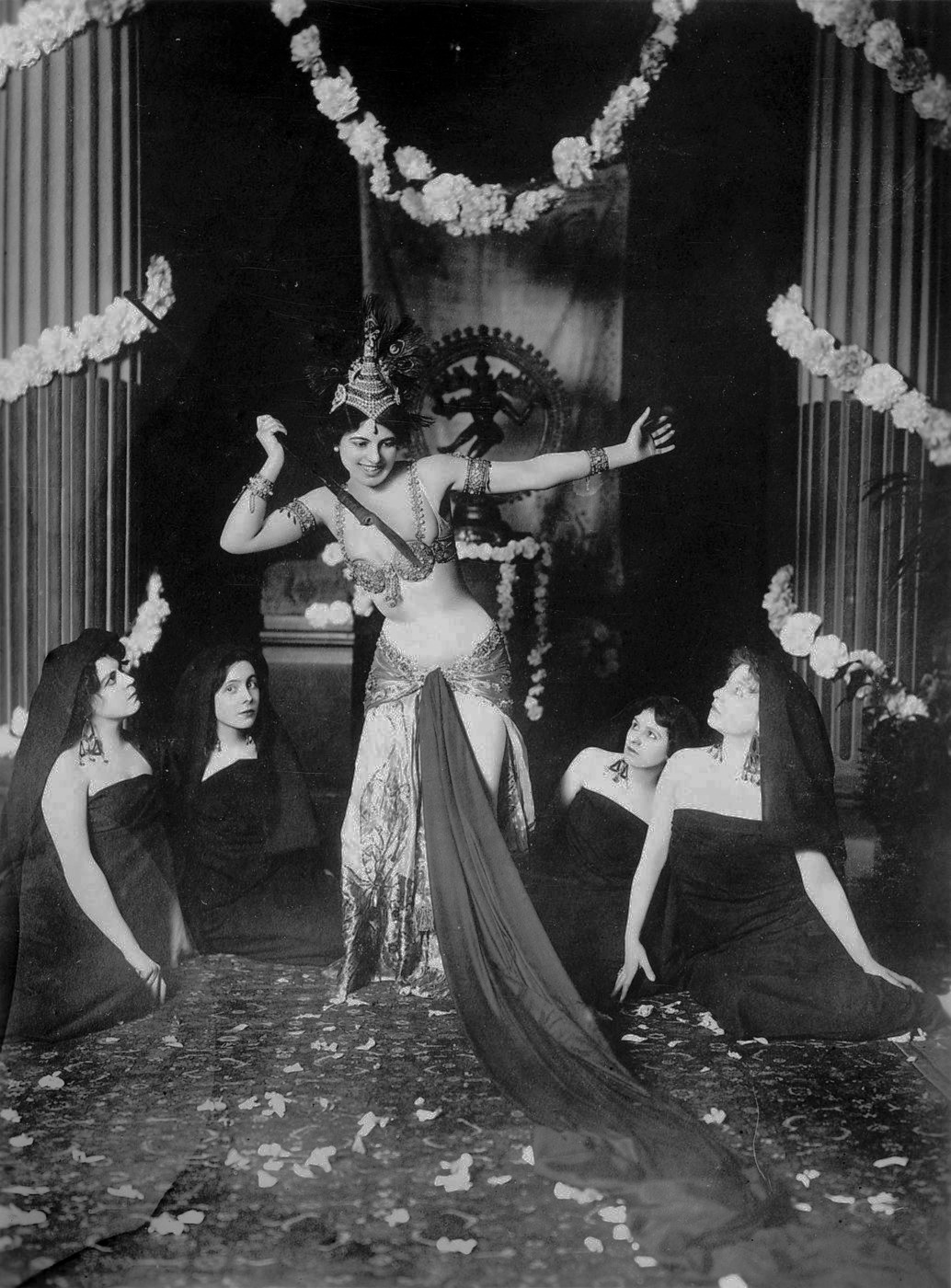
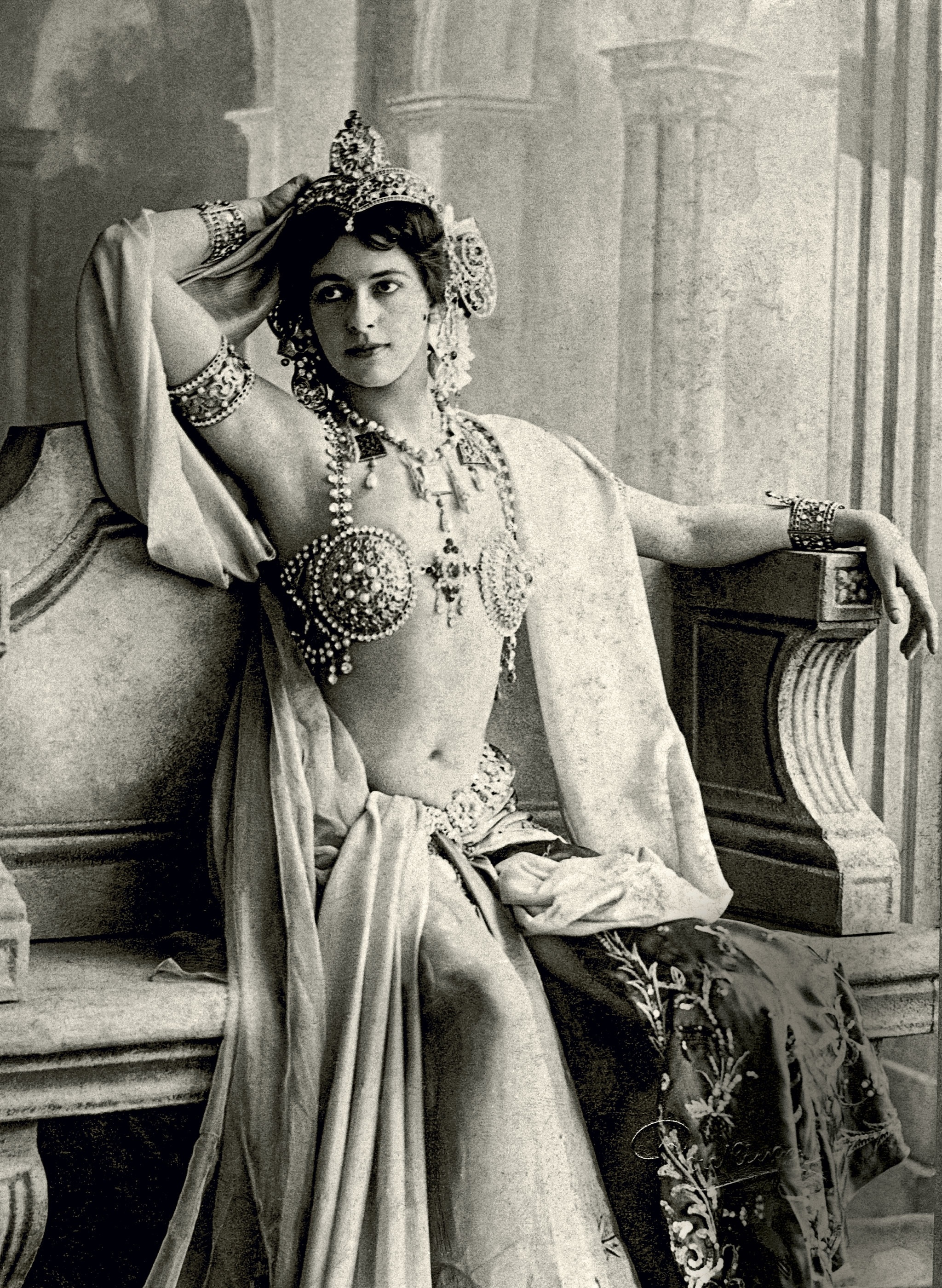
In 1905, adopting the stage name 'Mata Hari' ('Eye of the Day' in Malay), she emerged on the Parisian cultural scene presenting herself as a sacred dancer and Javanese princess. Her primary criminological profile exhibited no violent tendencies, but rather marked narcissistic and impulsive traits oriented toward securing high socioeconomic status through elite military and diplomatic patronage.
2. Crime Spree and Modus Operandi
Upon the outbreak of World War I in 1914, Dutch neutrality enabled Zelle to travel freely between Great Britain, France, Spain, and Germany. Her intimate network comprised diplomats, military attachés, and high-ranking officers from both Allied and Central powers. The modus operandi documented by intelligence agencies involved leveraging her physical appeal and celebrity status to elicit sensitive operational data concerning troop movements, aviation assets, and military strategy during private encounters.
In 1915, while in The Hague, she was recruited by German Consul Karl Kroemer, who assigned her the operational codename 'Agent H-21', providing funds and invisible ink supplies. Subsequently, in 1916, French counterintelligence Captain Georges Ladoux enlisted her for French military intelligence, promising a million-franc payout to spy on German high command in occupied Belgium. Functioning as an uncommitted double agent created an unsustainable operational dynamic that led directly to her downfall.
3. Police Investigation and Forensic Tracking
In late 1916, Zelle relocated to Madrid, a key center for wartime diplomatic intelligence. There, she established contact with the German military attaché, Major Arnold von Kalle. Suspicious of her true loyalties or seeking to compromise her, von Kalle transmitted a radio message to Berlin using a cipher known to be compromised by French intelligence. The intercept explicitly detailed payments and operational directives for 'Agent H-21'.
The interception and decryption of these signals by the Eiffel Tower listening station provided the Deuxième Bureau (French Military Intelligence) with decisive documentary evidence. Facing severe domestic pressure and devastating casualties on the Western Front, French authorities designated Zelle an ideal high-profile target to demonstrate counter-espionage vigilance.
4. Arrest and Judicial Proceedings
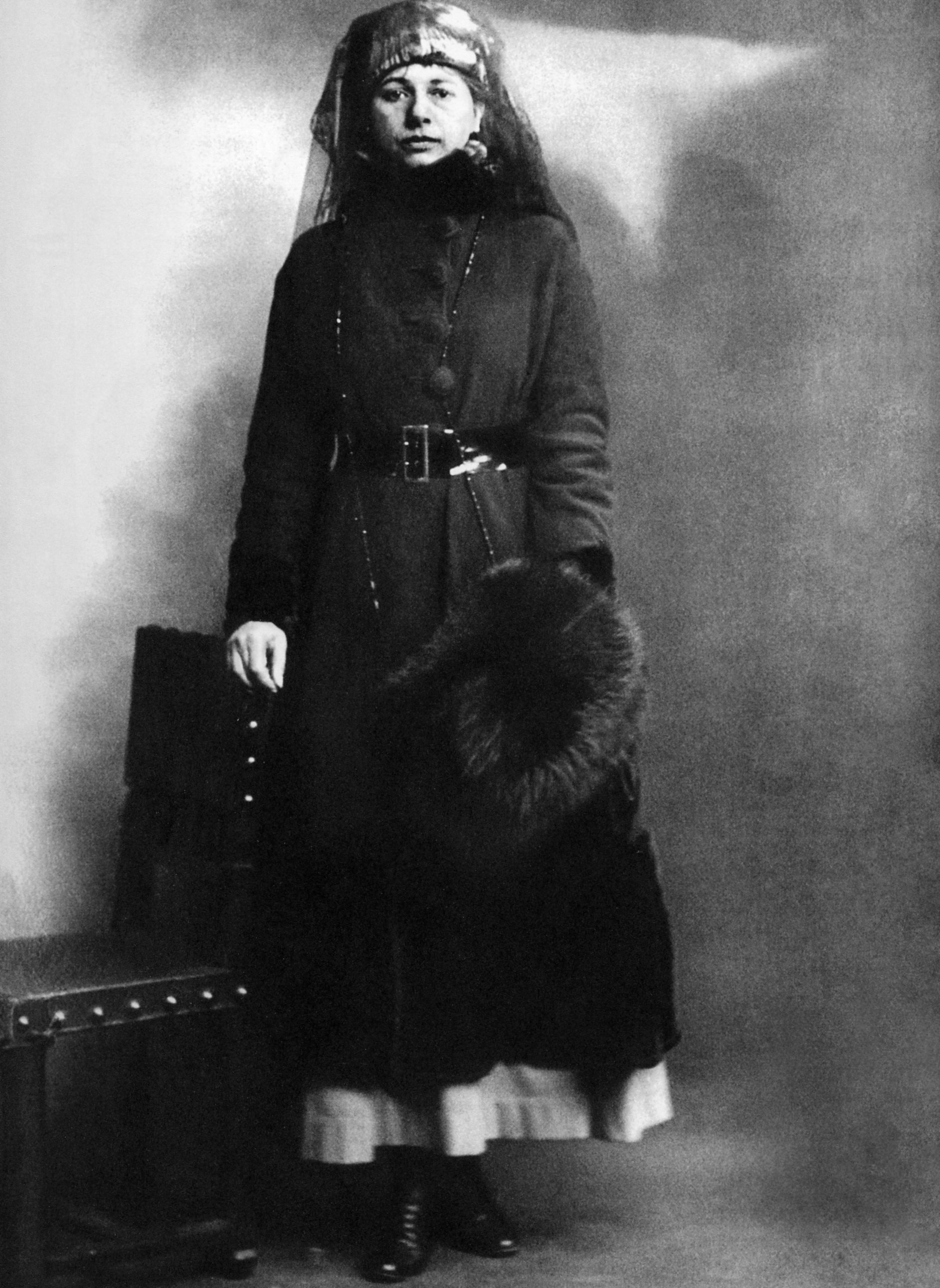
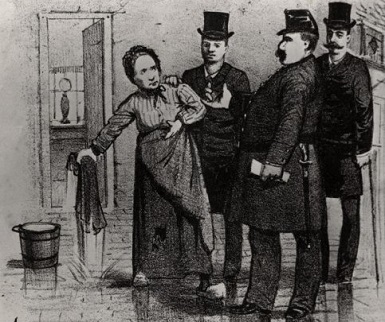
On February 13, 1917, following her return to Paris, French military police executed an arrest warrant at her room in the Hotel Plaza Athénée. Forensic searches yielded chemical compounds used in invisible ink manufacturing and documentation of substantial unexplained foreign bank transfers.
Zelle was incarcerated at Saint-Lazare Prison under harsh conditions and subjected to extensive interrogations led by Military Magistrate Pierre Bouchardon. While admitting to accepting funds from German officials, she steadfastly maintained that the payments constituted personal gifts for companionship. On July 24, 1917, the 3rd Court-Martial tried her behind closed doors on 8 counts of high treason. Following 45 minutes of deliberation, the military tribunal unanimously passed a sentence of death.
5. Psychiatric Assessment and Execution
Behavioral evaluations conducted during her imprisonment noted a highly theatrical demeanor, marked suggestibility, and a psychological defense mechanism characterized by deep denial regarding the lethal reality of her legal situation. She persistently refused to accept that her financial dealings constituted acts of military treason.
At dawn on October 15, 1917, Margaretha Geertruida Zelle was transported to the firing range at the Château de Vincennes. She refused a blindfold and maintained a composure of defiance before a 12-man firing squad. Following the execution and coup de grâce, her body remained unclaimed by family and was transferred to the Faculty of Medicine in Paris for anatomical dissection and scientific research.