Forensic & Criminological Matrix
| Parameter | Forensic Detail |
|---|---|
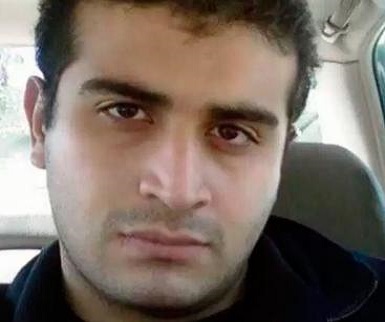
| Forensic Heading / Aliases | Abbas Baqir Abbas |
| Legal Identity | Abbas al-Baqer Abbas |
| Confirmed Victims | 20 dead (over 30 wounded) |
| Active Timeline | Year 2000 |
| Jurisdiction / Area of Operations | Garaffa, Omdurman (Sudan) |
| Criminological Classification | Mass murderer / Sectarian terrorism |
| Forensic Modus Operandi | Incursion into a religious sanctuary and indiscriminate automatic gunfire from outside |
| Weapon / Mechanism of Death | Automatic assault rifle |
| Motive / Behavioral Dynamics | Religious fanaticism and extremist ideology associated with Takfir wal Hijra |
| Judicial Outcome | Shot dead by law enforcement at the crime scene |
1. Background and Profile
Abbas al-Baqer Abbas operated within the framework of radical extremist cells in North Africa. His affiliation with the clandestine militant group Takfir wal Hijra shaped his sociopathic behavior and sectarian radicalization, leading him to view Muslims holding alternative theological views as apostates deserving of extermination.
2. Crime Spree
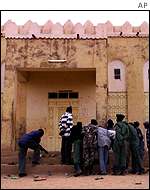
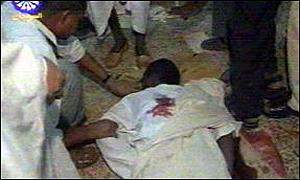
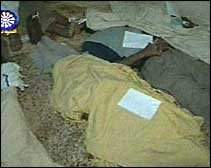
The attack took place at the al-Sunna al-Mohammediyya Mosque in the village of Garaffa, outside Omdurman. Abbas approached the perimeter of the temple while dozens of worshippers were engaged in routine night prayers. Armed with an automatic rifle, he fired point-blank through the windows, maximizing civilian casualties in a confined and vulnerable space.
3. Investigation and Arrest
Law enforcement response was swift following emergency calls. Four tactical police units converged on the religious complex to neutralize the active threat before the perpetrator could barricade himself or escalate the carnage.
4. Legal Proceedings and Outcome
Given the attacker's refusal to surrender or lay down his weapons, officers engaged him with lethal force. Abbas al-Baqer Abbas was killed during the exchange of gunfire, nullifying the need for a formal criminal trial while closing the case via police neutralization.
5. Psychiatric Assessment and Aftermath
From a forensic criminology perspective, this case exemplifies mass homicidal violence driven by sectarian indoctrination and extremist fanaticism, where the perpetrator acts as a high-lethality actor with no expectation of survival.